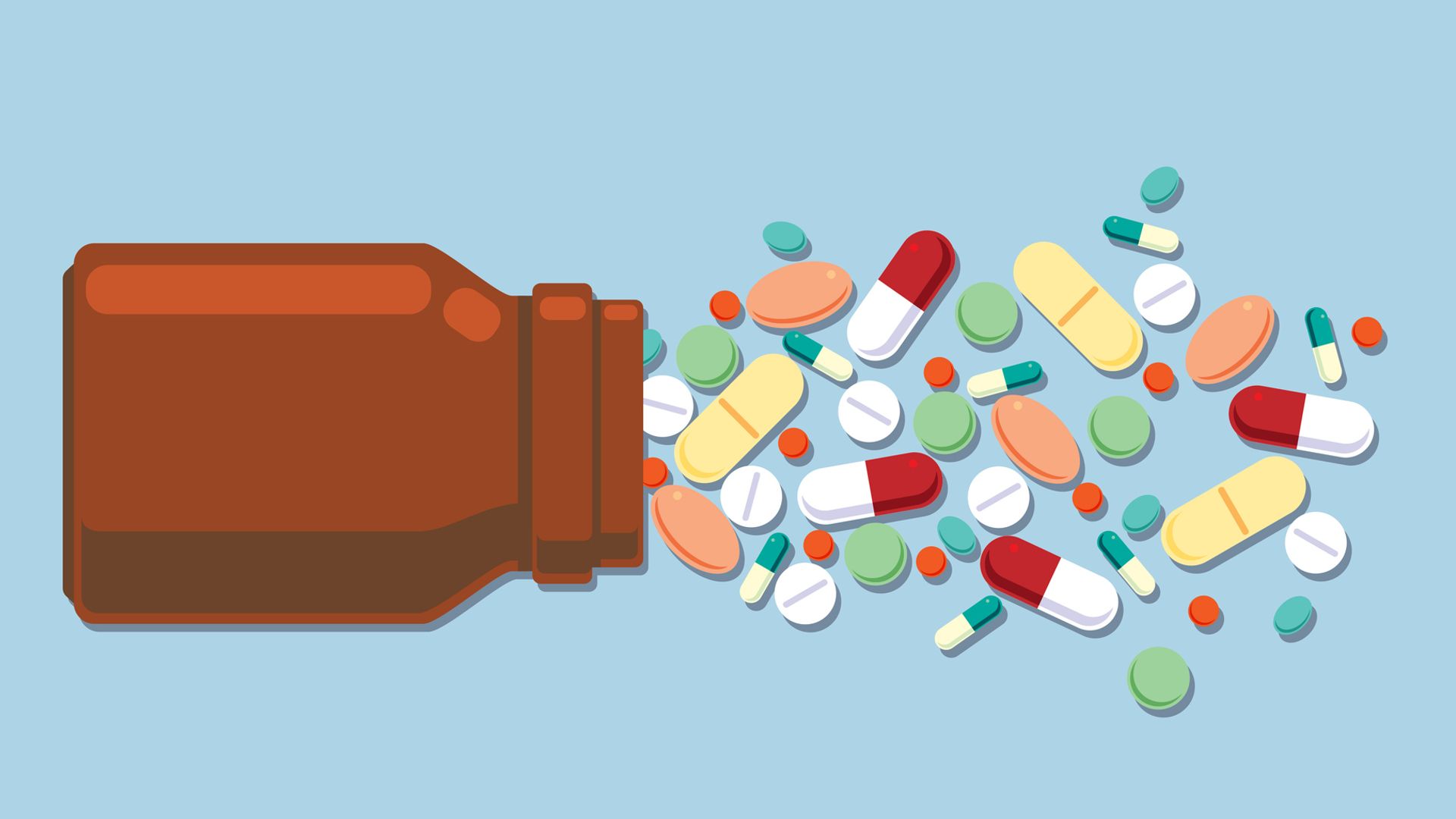
Sarah’s kitchen counter looks like a miniature skyline of amber plastic and frosted glass. There are tall cylinders of multivitamins, squat jars of herbal extracts, and a dropper bottle of liquid gold that promises to "optimize" her cognitive function. Every morning, she swallows twelve different pills. She does this not because she is ill, but because she is terrified of becoming so. She is a participant in a silent, global ritual. She is also, quite possibly, flushing her money down the drain.
The supplement industry is a behemoth built on the architecture of anxiety. In the United States alone, it is a market worth tens of billions, yet it operates in a regulatory gray zone that would make a used car salesman blush. We have entered a modern Wild West. There are no sheriffs here. There are only prospectors and the people buying their shovels. Discover more on a related subject: this related article.
The Ghost in the Machine
To understand how we arrived at this moment, we have to look at the legal loophole that allowed the gold rush to begin. In 1994, a piece of legislation called the Dietary Supplement Health and Education Act (DSHEA) effectively stripped the government of its power to vet these products before they hit your tongue. Unlike pharmaceutical drugs, which must undergo rigorous clinical trials to prove they are both safe and effective, supplements are presumed innocent until they actually hurt someone.
Imagine if we built airplanes this way. We would let anyone with a hangar and some sheet metal sell tickets for a flight, only grounded the fleet if a wing fell off over Kansas. More reporting by World Health Organization delves into similar views on the subject.
This hands-off approach has created a vacuum where marketing replaces medicine. Because manufacturers cannot legally claim to "cure" or "treat" a specific disease, they use a linguistic dance of "structure-function" claims. They won't say a pill cures depression; they say it "supports emotional well-being." They won't say a powder prevents heart disease; they say it "promotes cardiovascular health." These are phrases designed to bypass the analytical mind and speak directly to the primal fear of mortality.
The Science of the Small
Most of us assume that if a bottle is on the shelf of a reputable pharmacy, someone has checked the ingredients. That assumption is a dangerous fiction. Independent laboratory testing frequently reveals that the reality inside the capsule rarely matches the poetry on the label.
In some cases, researchers find nothing but powdered rice or houseplants where expensive herbs should be. In more sinister instances, supplements are spiked with actual prescription drugs to ensure the consumer "feels" something. A "natural" weight loss pill might contain banned stimulants. A "herbal" performance enhancer might be laced with sildenafil. You aren't just taking a supplement; you are participating in an unregulated chemistry experiment where you are the primary test subject.
Even when the bottle contains exactly what it says, the biological math rarely adds up. Take the common multivitamin. For a healthy adult with a reasonably balanced diet, the body is a remarkably efficient machine. It takes what it needs and discards the rest. When you flood your system with 2,000% of your daily requirement of Vitamin B, your kidneys work overtime to filter it out. You aren't becoming a superhero. You are merely producing very expensive urine.
The Myth of the Magic Bullet
We are a species that loves a shortcut. The idea that we can offset a sedentary lifestyle, high stress, and a diet of processed convenience with a single swallowed capsule is intoxicating. It appeals to our desire for control in a world that feels increasingly chaotic.
Consider the case of Vitamin E. For years, it was touted as a powerful antioxidant that would shield our cells from the ravages of aging and cancer. It was the darling of the health aisle. Then, massive long-term studies began to report back. The results were not just disappointing; they were alarming. In some populations, high doses of Vitamin E were linked to an increased risk of heart failure and prostate cancer.
This is the central paradox of the supplement world: isolated nutrients do not behave the same way as nutrients found in food. A molecule of Vitamin C in an orange is part of a complex biological matrix of fiber, bioflavonoids, and water. When you rip that molecule out and concentrate it into a pill, the body’s delivery system is bypassed. We are trying to play a symphony by slamming a single key on the piano as hard as we can. It’s loud, but it isn't music.
The Few Who Actually Need the Shovel
This is not to say that every bottle on Sarah’s counter is a lie. There are legitimate, vital uses for supplementation. But they are clinical, not commercial.
A pregnant woman needs folic acid to prevent neural tube defects. A person living in the dark winters of the far north may genuinely require Vitamin B12 or Vitamin D. Someone with a diagnosed malabsorption issue or a restricted vegan diet might need targeted support. But these are specific interventions for specific gaps. They are the stitches used to close a wound, not a substitute for skin.
The tragedy of the "Wild West" is that the noise of the marketing machine makes it almost impossible to hear the quiet reality of our own biology. We spend hundreds of dollars a month on "brain boosters" while sleeping four hours a night. We buy "gut health" powders while eating zero grams of actual fiber. We are trying to build a house out of gold-plated faucets while the foundation is made of sand.
The Cost of the Promise
The true cost of the supplement craze isn't measured in dollars. It's measured in the displacement of effort. Every minute we spend researching the latest "miracle" root from the Amazon is a minute we aren't walking in the park, cooking a meal with a friend, or simply resting. We have outsourced our health to an industry that profits from our feeling of inadequacy.
The supplement aisle sells us the idea that we are fundamentally broken and that the solution can be bought. It tells us that nature is insufficient, that our bodies are failing us, and that we need a laboratory to bridge the gap.
But the body is not a bucket to be filled. It is a fire to be tended.
Sarah stands in her kitchen, the morning sun hitting the labels of her "immunity" blends. She feels a slight twinge of nausea—a common side effect of taking so many concentrated extracts on an empty stomach. She ignores it. She believes the nausea is a sign that the "toxins" are leaving. She believes the pills are the only thing keeping her standing.
In reality, her body is performing a miracle every second, processing oxygen, repairing DNA, and pumping blood, all without any help from the $60 jar of green sludge. She is waiting for the pills to make her feel alive, while the life she seeks is already happening in the silence between her heartbeats.
The bottles remain. The bank accounts shrink. The search for the one pill that will change everything continues, while the sun rises over a world full of oranges, spinach, and the simple, unmarketable power of a long walk.