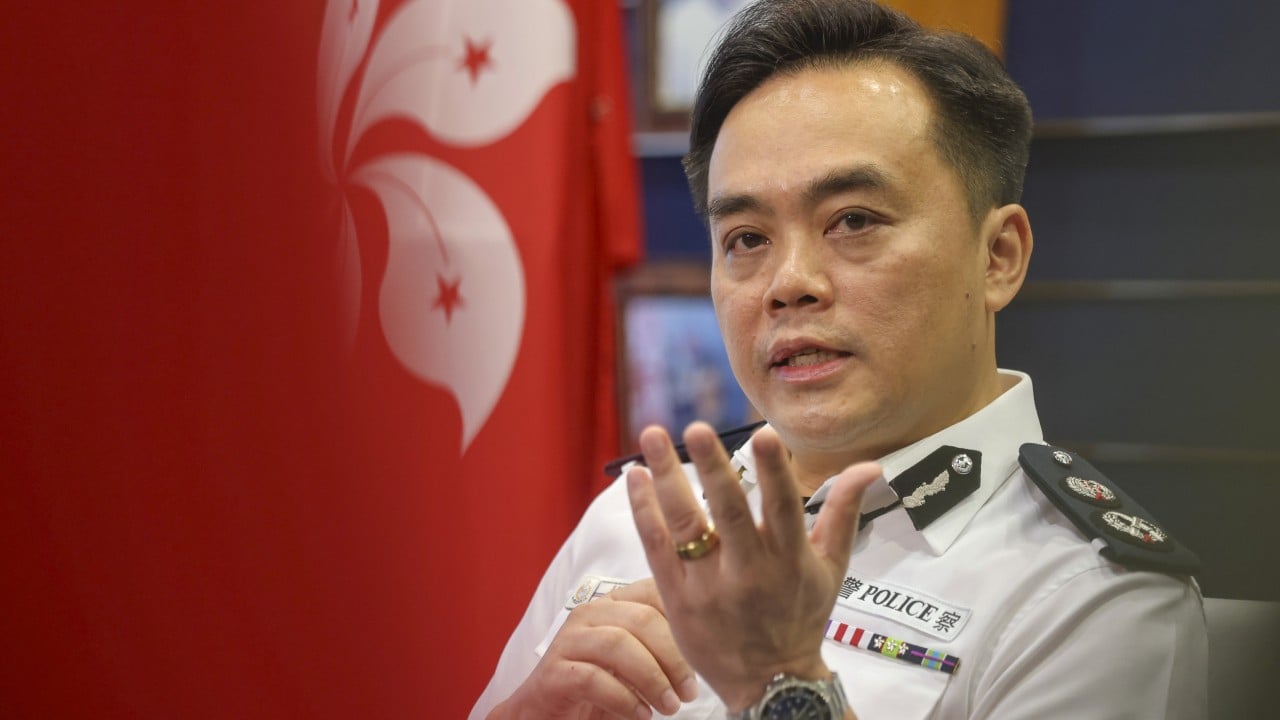
The Hong Kong government just made a move that has a lot of people scratching their heads. Albert Yuen Yuk-kin, the former deputy commissioner of operations for the Hong Kong police, is taking over as the Director of Food and Environmental Hygiene on June 16, 2026.
Yes, you read that correctly. A man who spent 37 years chasing armed robbers, dealing with street riots, and managing heavy-duty law enforcement operations is now the city's top hygiene chief. He is replacing Donald Ng Man-kit, a career bureaucrat, following an open-cum-in-service recruitment exercise.
On the surface, it sounds bizarre. Why put a veteran cop in charge of wet markets, food licenses, and rodent control? But if you look closely at how Hong Kong is changing, this appointment makes perfect sense. It tells us exactly where the government's priorities lie right now.
The Logic Behind a Cop Running Public Hygiene
If you think the Food and Environmental Hygiene Department (FEHD) is just about sweeping streets and inspecting restaurants, you are missing the bigger picture. It's an enforcement agency. The FEHD manages thousands of staff, hands out massive commercial penalties, shuts down illegal operations, and controls public spaces.
Albert Yuen isn't just any retired police officer. He joined the police force in 1986, working his way up through regional crime units during the violent armed robberies of the 1980s and 1990s. He ended his active police career in August 2023 at the very top of the operational ladder.
The government doesn't need a scientist or a nutritionist to run the FEHD. They have plenty of technical experts for that. They need someone who knows how to command a massive organization, enforce strict regulations, and deal with public resistance. Civil Service Secretary Ingrid Yeung Ho Poi-yan made it clear when she pointed to Yuen's experience in public administration and law enforcement as his core strengths.
This Isn't Actually Yuen's First Day at the FEHD
Here is a detail that most casual observers missed. Yuen didn't just walk in off the street into this new role. Immediately after retiring from the police force in late 2023, the government quietly appointed him as an advisor to the FEHD for a one-year stint.
That advisor role was a deliberate test run. The Environment and Ecology Bureau launched its formal recruitment process for the director post in February 2026, and Yuen came out on top. He spent a year learning the inner workings of the department before taking the steering wheel. He knows where the institutional roadblocks are, and he knows exactly which squads are underperforming.
What This Signals for Hong Kong Streets
Putting a heavy-hitting law enforcement veteran in this seat means the era of soft compliance is over. Hong Kong has been struggling with stubborn, localized urban issues for years. Think about shopfront extensions blocking sidewalks, illegal nighttime wholesale operations, and the eternal battle against rodents in old districts like Sham Shui Po and Yau Ma Tei.
Regular civil servants often face intense pushback when trying to clean up these areas. Shop owners argue, illegal dumpers run away, and enforcement gets bogged down in paperwork. Yuen knows how to organize coordinated raids. He understands intelligence-led enforcement. We can expect the FEHD to start operating much more like a police task force, using targeted operations to clear out long-standing public nuisances.
The Challenges Waiting on Day One
It won't be an easy transition. Managing a police force bound by strict disciplinary codes is completely different from managing an army of civil service cleaners, health inspectors, and bureaucratic staff.
- Internal Culture Clash: Public health inspectors aren't police officers. They aren't trained to take top-down tactical orders without question, and pushing a military-style command structure too hard could backfire on morale.
- Public Perception: Some critics will naturally view this as the continued "policification" of Hong Kong's civil service, where security veterans are increasingly placed into civilian department roles. Yuen will have to prove he is genuinely interested in public health, not just public order.
- Complex Policy Issues: Dealing with waste management, hawker licensing, and food safety standards requires a delicate balance between economic survival for small businesses and strict regulatory compliance.
If you are a business owner or a resident in Hong Kong, watch how the FEHD behaves over the next few months. Look for more frequent joint-department operations, stricter penalties for environmental offenses, and a much more visible enforcement presence on the streets. The strategy is clear, and the government is banking on Yuen's 37 years of tactical experience to force a messy department into shape.