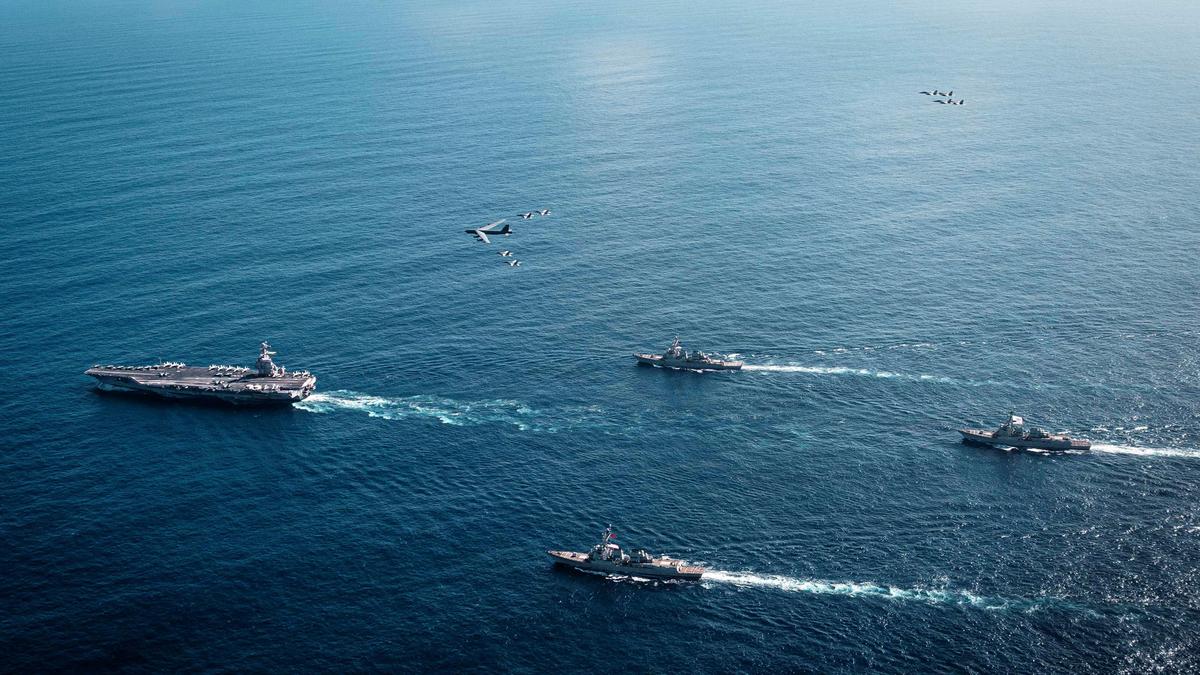
The honeymoon phase for military intervention is officially over. After weeks of escalating strikes and a growing "Operation Epic Fury," the American public is hitting the brakes. A new AP-NORC poll reveals a sharp shift in the national mood: 59% of Americans now believe U.S. military action against Iran has gone too far.
It's not just a matter of "war fatigue." It's a collision of foreign policy and the kitchen table. While the White House continues to deploy warships and thousands of paratroopers from the 82nd Airborne Division, the average person is looking at the gas pump and feeling a different kind of pressure.
The Disconnect Between D.C. and the Gas Pump
The math is simple but brutal. About 67% of Americans say keeping oil and gas prices from rising is a top-tier foreign policy goal. Right now, they don't think the administration is winning that battle. 45% of people are "extremely" or "very" worried about being able to afford gasoline in the coming months. That’s a massive jump from the 30% recorded right after the election.
It's a classic catch-22 for any administration. You want to stop Iran from getting a nuclear weapon—an objective 65% of Americans still support—but you can't do it at the expense of the domestic economy. The moment a "security operation" starts eating into the grocery budget, the public's patience evaporates. We’re seeing that play out in real-time.
A Nation Divided by Party and Generation
The partisan split is as wide as you'd expect, but there are cracks in the usual foundations.
- Democrats: 90% say the action has gone too far.
- Independents: 60% agree it’s gone too far.
- Republicans: While 52% say the response has been "about right," only 20% want to see it go further.
More interestingly, a generational divide is ripping through the GOP. Data shows that Republicans under 45 are much more likely to support candidates who want to reduce Middle East entanglements. The old-school "hawk" mentality is losing its grip on the younger conservative base.
The Trust Gap
Perhaps the most damning part of the recent data is the lack of trust in leadership. Only 27% of Americans trust the president to make the right decisions regarding the use of military force overseas. Even fewer trust the decision-making around nuclear weapons.
Most people don't think the goals have been clearly explained. When 64% of the country says they don't understand the "end game," you have a messaging disaster. People aren't just anti-war; they're anti-confusion. They see 2,000 paratroopers being sent to the region and wonder if we're looking at another "forever war."
The Fear of Ground Boots
If there's one thing almost everyone agrees on, it's that a land invasion is a non-starter. 62% of Americans explicitly oppose deploying ground troops in Iran.
We've seen this movie before. The initial strikes—targeting nuclear facilities or military infrastructure—usually get a pass. But the moment the conversation shifts to "regime change" or "stabilization," the support falls off a cliff. Only 33% of people think replacing Iran's government is an important goal.
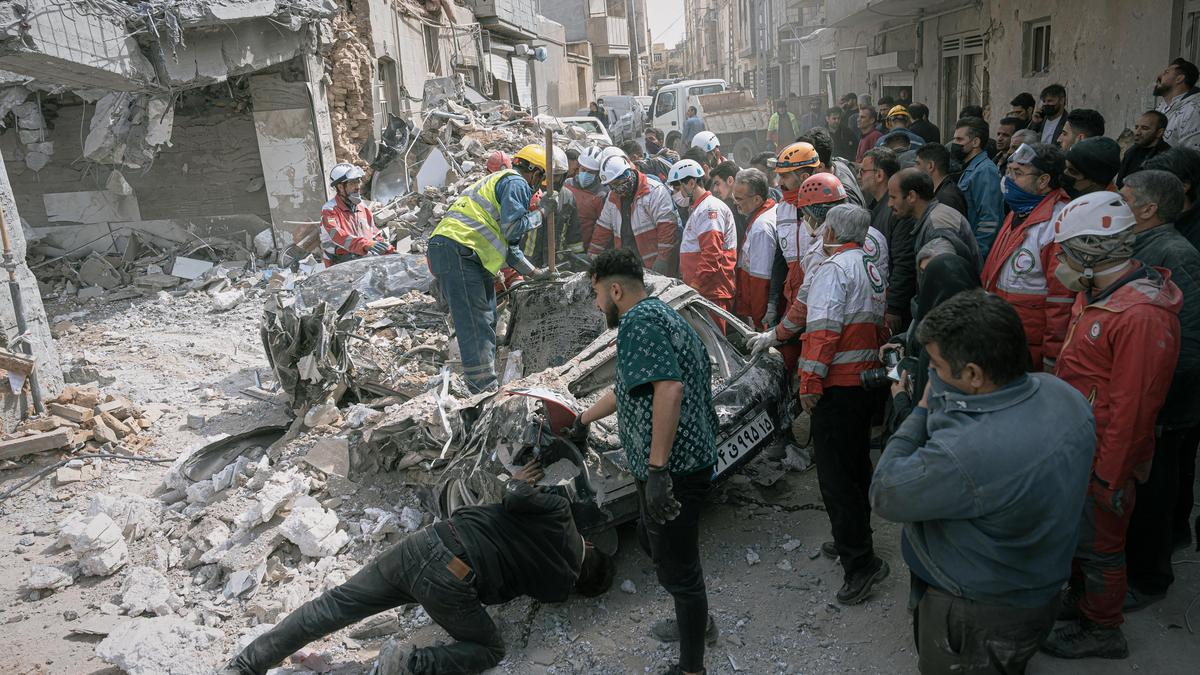
The reality on the ground is getting grimmer. Reports of civilian casualties, including a strike on a school in Tehran, are filtering back to the States. Every time a headline mentions "accidental" deaths or "collateral damage," the 59% who think we've gone too far gets a little more entrenched in their view.
The Economic Reality of Operation Epic Fury
The Strait of Hormuz is the world's most important oil chokepoint. Iran knows it. We know it. The markets know it.
As the U.S. and Israel intensify strikes, the risk of a total shutdown in the Strait looms. That isn't just a "foreign policy issue"—it's a "your commute just got $20 more expensive" issue.
- Shipping Disruptions: Insurance rates for tankers have skyrocketed.
- Global Supply: Any hiccup in Iranian output or Persian Gulf transit sends ripples through the global market.
- Personal Finance: Nearly half of Americans believe this conflict will have a "mostly negative" impact on their personal financial situation.
What Happens Next
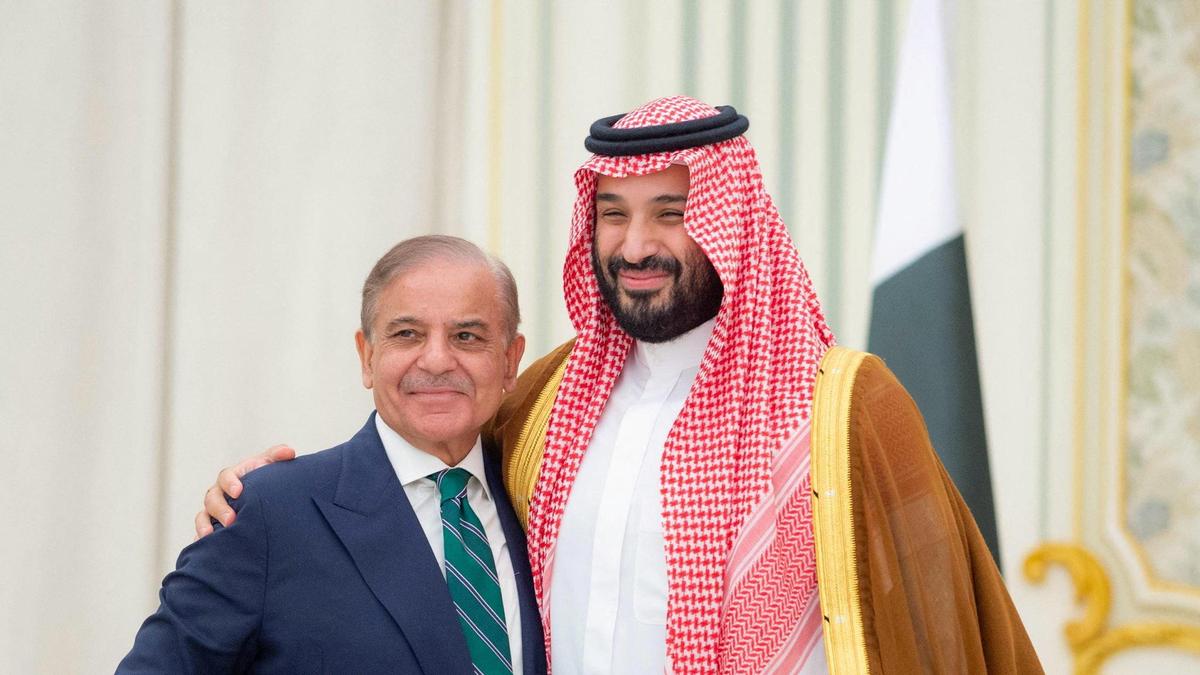
The administration is reportedly floating a 15-point peace plan through mediators in Pakistan. It’s a sign that even the White House realizes the "hurting stalemate" is becoming a political liability.
If you're trying to make sense of the noise, watch the troop movements and the oil tickers. If more troops head to the region without a clear diplomatic breakthrough, expect that 59% "too far" number to climb toward 70%.
Practical steps to stay informed:
- Watch the WTI Oil Price: This is the most honest indicator of how the war is actually going. If it spikes, the public mood will sour further.
- Monitor Congressional War Powers: Look for bipartisan efforts to rein in the executive branch's ability to escalate without a formal declaration.
- Verify Regional News: Use diverse sources like Al Jazeera and Reuters to get a view of the conflict that isn't filtered through a strictly domestic lens.
The American public has sent a clear message: security is important, but not at the cost of an open-ended conflict or an economic collapse. The ball is now in Washington's court to find an exit that doesn't look like a retreat.