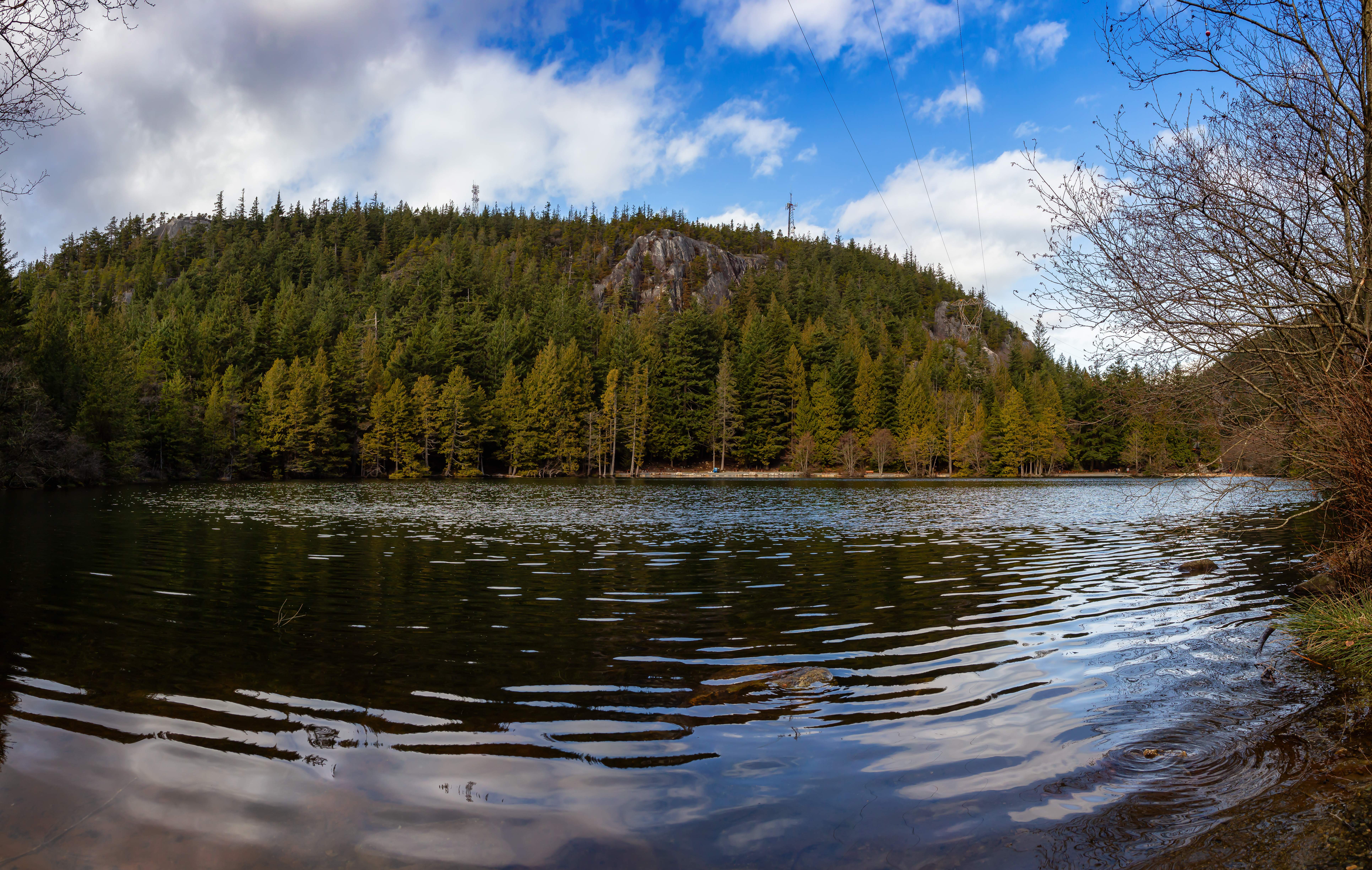
Inland aquatic recreations present an understated risk Profile that differs significantly from maritime environments. The recovery of two stand-up paddleboarders from Browning Lake in Squamish highlights a critical failure in risk assessment common among recreational athletes. While open ocean environments introduce obvious hazards like breaking surf, tidal rips, and apex predators, small inland bodies of water like Browning Lake—located within Murrin Provincial Park—frequently induce a false sense of security. This cognitive bias masks a deadly convergence of thermodynamic, physiological, and equipment-related variables. Deconstructing these events requires moving past surface-level reporting to analyze the precise mechanisms that convert a standard recreational outing into a multi-fatality event.
Understanding the risk matrix of inland stand-up paddleboarding (SUP) requires isolating three primary failure vectors: environmental thermodynamics, biomechanical instability, and equipment omission. When these vectors intersect, they create a compounding hazard loop where the failure of one system accelerates the failure of the next.
The Environmental Matrix of Browning Lake
Browning Lake possesses specific geographic and limnological characteristics that dictate its risk profile. Situated in a mountainous corridor, the lake is subject to rapid microclimatic shifts. Understanding the physical layout and the behavior of freshwater bodies is essential to identifying how environmental traps form.
Thermodynamic Stratification
Unlike large, well-mixed bodies of water, small inland lakes in mountainous regions exhibit severe thermal stratification, especially during spring and summer months. The upper layer of water, or the epilimnion, absorbs solar radiation and can feel deceptively warm. Directly beneath this layer lies the thermocline—a zone of rapid temperature decrease—followed by the hypolimnion, where temperatures remain near freezing year-round.
A paddleboarder who falls into the water does not simply enter a uniform fluid environment. They experience a sudden, radical transition across these thermal zones. The surface temperature may register at 18°C, while the water just two meters down can drop below 6°C. This rapid delta triggers immediate physiological defense mechanisms that degrade human motor function within seconds.
Wind Venturi Effects
The Squamish region is globally recognized for its predictable, high-velocity wind patterns driven by the thermal differential between the ocean and the interior landmasses. Browning Lake, though sheltered by topography and tree cover relative to the open waters of the Howe Sound, remains vulnerable to sudden localized gusts.
Mountain valleys act as physical funnels. Wind entering these corridors accelerates rapidly—a phenomenon known as the Venturi effect. A paddleboarder standing upright presents a high surface area, effectively acting as a sail. A sudden 30-knot gust can instantly destabilize a rider, altering their center of gravity and forcing an involuntary immersion. The physical effort required to paddle against a localized venturi wind quickly exhausts glycogen stores in the upper body, reducing the victim’s capacity to remount the board.
The Physiological Cascade of Cold Water Immersion
The human body’s response to sudden cold-water immersion follows a predictable, mathematically verifiable timeline of degradation. In public reporting, drowning is frequently attributed to a simple lack of swimming ability. In reality, the physiological cascade triggered by low temperatures overrides swimming proficiency in all but the most elite, acclimatized athletes.
[Sudden Immersion]
       │
       ▼
[Stage 1: Cold Shock Response] (0 - 3 Minutes)
  ├── Hyperventilation & Gasping Reflex
  └── Cardiovascular Spike (Tachycardia)
       │
       ▼
[Stage 2: Cold Incapacitation] (5 - 15 Minutes)
  ├── Vasoconstriction shifts blood to core
  └── Loss of manual dexterity & neuromuscular failure
       │
       ▼
[Stage 3: Physical Exhaustion / Drowning]
Stage 1: The Cold Shock Response (0 to 3 Minutes)
The immediate consequence of entering water below 15°C without thermal protection is the cold shock response. This is an entirely involuntary neurovascular reflex driven by the rapid cooling of skin receptors.
- The Gasp Reflex: The sudden drop in skin temperature triggers a primitive gasp reflex. If the victim’s head is submerged during this initial reflex, they can instantly aspirate between one and three liters of water. This volume is more than sufficient to initiate localized laryngospasm and subsequent asphyxiation.
- Hyperventilation: Following the initial gasp, a period of uncontrolled hyperventilation begins. This disrupts normal blood gas ratios, lowering carbon dioxide levels (hypocapnia) and causing panic, disorientation, and dizziness. This psychological destabilization prevents logical problem-solving when it is most critically needed.
- Cardiovascular Stress: Cold shock induces massive, immediate peripheral vasoconstriction. This sudden restriction of the vascular bed forces blood back toward the core, causing an instantaneous spike in blood pressure and heart rate (tachycardia). For individuals with underlying, potentially undiagnosed cardiovascular conditions, this extreme workload can cause myocardial infarction or lethal arrhythmias prior to any fluid entry into the lungs.
Stage 2: Functional and Neuromuscular Incapacitation (5 to 15 Minutes)
If a victim survives the initial three minutes of cold shock, the secondary phase of degradation involves the loss of motor control. To preserve core temperature, the body systematically restricts blood flow to the extremities.
- Peripheral Cooling: Skeletal muscles and peripheral nerves in the arms and legs cool rapidly. As muscle tissue temperature drops below 30°C, the rate of chemical reactions within the muscle fibers slows down, directly impairing contractile force.
- Neuromuscular Failure: Peripheral nerves lose their capacity to transmit electrical signals reliably. The digits lose manual dexterity first, making it physically impossible for a victim to grab a rescue line, operate a buckle, or grip the edge of a paddleboard to climb back aboard.
- Swimming Failure: Within ten to fifteen minutes, the coordination required to maintain a horizontal swimming posture fails. The legs drop into a vertical position, increasing hydrodynamic drag. The victim must work exponentially harder to keep their airway above water, accelerating the depletion of oxygen reserves.
Equipment Omission and the Illusion of Safety
Stand-up paddleboarding suffers from a distinct regulatory and cultural paradox. Because the activity is marketed as a low-barrier, highly accessible lifestyle hobby, participants frequently bypass the baseline safety protocols applied to traditional watercraft like kayaks or canoes.
The Leash as a Primary Life Support System
In stand-up paddleboarding, the board itself functions as the primary flotation device. Unlike a kayak, which can swamp and lose buoyancy, an inflatable or solid epoxy SUP retains its buoyancy indefinitely unless structurally compromised. However, this buoyancy is only useful if the user remains physically attached to the vessel.
A standard SUP leash tethers the rider’s ankle or calf to the tail of the board. In an involuntary immersion scenario, wind and water currents can push a detached board away faster than a human can swim, particularly when that human is experiencing cold shock or wearing heavy clothing.
Velocity of Wind-Driven Board > Human Swimming Velocity in Cold Water
Without a leash, the board is effectively lost within seconds of immersion. The user is left isolated in open water without a physical platform for self-rescue.
The Mechanics of PFD Non-Compliance
Personal Flotation Devices (PFDs) are legally required on most Canadian waterways, yet compliance rates among paddleboarders remain notoriously low. This resistance stems from a fundamental misunderstanding of how a PFD functions during an emergency.
Many recreational users opt for belt-pack inflatable PFDs or leave standard foam jackets strapped to the deck cords of their board. This creates two distinct points of failure:
- The Deployment Bottleneck: A belt-pack PFD requires manual intervention. The user must pull a cord to puncture a CO2 canister and then physically loop the inflated bladder over their head. If the user is incapacitated by cold shock or has lost manual dexterity due to peripheral cooling, this mechanical sequence cannot be executed.
- The Separation Vector: Keeping a PFD strapped to the front of the paddleboard assumes that the user will remain with the board after a fall. If the user falls off without a leash, the board—and the life jacket attached to it—drifts away, leaving the swimmer completely unassisted.
Biomechanical Failure Modes Unique to SUP
The physical mechanics of standing on an unstable, elevated platform introduce distinct biomechanical vulnerabilities that are absent in sitting or kneeling watersports.
Center of Gravity and Lever Arms
A standing paddleboarder acts as an inverted pendulum. The pivot point is located at the interface between the board and the water, while the mass of the torso and head sits at the upper extremity of the lever arm. This configuration requires continuous, subconscious micro-adjustments from the core and lower muscle groups to maintain equilibrium.
[Head/Torso Mass]  <-- High Lateral Displacement
       │
       │ (Long Lever Arm)
       │
[Feet / Board Base] <-- Pivot Point at Water Interface
When external forces like wind shears or wakes disrupt the board, the lateral displacement of the upper torso creates significant rotational torque. If the core muscles are fatigued from extended paddling, they cannot generate the counter-torque required to stabilize the system, resulting in an abrupt, high-velocity fall.
Structural Obstacles to Self-Rescue
Re-boarding a paddleboard from deep water requires a specific sequence of athletic movements that are highly dependent on upper body strength and core stability. The user must swim horizontal to the board, grab the center handle or opposite rail, and execute a powerful kick while pulling their torso flat onto the deck.
Several variables systematically degrade a person's ability to execute this maneuver:
- Water-Saturated Clothing: Normal clothing absorbs water, adding substantial dead weight to the victim's body. Attempting to lift an additional 10 to 15 kilograms of water-logged fabric over the rail of a board requires an immense output of power that an exhausted, cold-shocked individual cannot produce.
- Rail Height and Board Thickness: Modern inflatable paddleboards are often 15 centimeters thick to ensure rigidity. This creates a high rail profile above the water line. For an individual lacking upper body strength, this extra height acts as a physical barrier, blocking them from gaining the leverage needed to slide their torso back onto the deck.
Operational Realities of Freshwater Search and Recovery
When a drowning incident occurs, the operational mandate shifts from rescue to recovery. Understanding the technical frameworks used by emergency services provides a sobering look at the challenges inherent in underwater searches within inland lakes.
Limnological Constraints on Search Operations
Browning Lake features specific environmental constraints that complicate underwater recovery efforts. Visibility is often severely limited by suspended organic matter, tannin staining, and benthic silt.
- Silt Disturbance: The bottom of inland lakes is typically composed of fine, unconsolidated sediment. When divers or remote operated vehicles (ROVs) approach the lake bed, the thruster wash or fin movement stirs up this silt layer. This creates an immediate blackout condition, dropping underwater visibility to zero and forcing operators to rely entirely on tactile search patterns or high-frequency sonar.
- Acoustic Shadowing: Submerged logs, boulders, and thermal boundary layers can warp or block sonar signals. This acoustic shadowing hides anomalies on the lake bottom, requiring multiple passes from different angles to ensure accurate mapping.
Structural Search Methodology
The recovery of the two paddleboarders in Browning Lake required a coordinated response from the Squamish RCMP and the RCMP Underwater Recovery Team. These teams employ rigorous, mathematically structured search grids to ensure systematic coverage of the search zone.
| Phase | Operational Focus | Primary Tools Used |
|---|---|---|
| 1. Primary Containment | Define boundaries based on last seen points and local wind vectors. | Surface vessels, shoreline spotters. |
| 2. Side-Scan Sonar Mapping | High-resolution acoustic imaging of the lake floor to identify anomalies. | Towfish sonar arrays, hull-mounted transducers. |
| 3. Tactical Diver Deployment | Physical verification and extraction of identified targets. | Commercial-grade dive gear, tethered communications. |
The execution of these steps is slow and meticulous. Underwater search teams prioritize safety and methodical execution over speed, as the environment poses significant risks to the divers themselves, including entanglement in submerged vegetation or discarded fishing lines.
Systemic Safety Frameworks for Inland Waterways
The recurring nature of paddleboarding fatalities in benign-appearing environments emphasizes the need for a shift from reactive rescue operations to proactive, systemic risk management. Relying on personal judgment is insufficient when that judgment is clouded by cognitive biases regarding small lakes.
The Three Pillars of Preventative Aquatics
To systematically eliminate the failure modes that lead to multi-fatality events on inland waters, rental operations, parks management, and individual users must implement a strict, three-tiered defense framework.
       [Primary Layer: Mechanical Link]
            Ankle or Calf Leash
                     │
                     ▼
     [Secondary Layer: Passive Buoyancy]
         Inherent Buoyancy Vest (PFD)
                     │
                     ▼
    [Tertiary Layer: Thermal Protection]
       Neoprene / Membrane Wet Suit
- The Mechanical Link (The Leash): This is the single most critical component. It keeps the primary flotation device within arm's reach at all times, completely neutralizing the risk of wind-driven vessel separation.
- Passive Buoyancy (The PFD): The life jacket must be worn on the body, not stored on the board. It must feature inherent foam buoyancy rather than manual inflation mechanisms to ensure that if cold shock causes immediate unconsciousness or incapacitation, the user's airway is held clear of the water surface automatically.
- Thermal Protection: When operating on alpine or glacier-fed lakes like those found throughout British Columbia, thermal protection should match the water temperature, not the air temperature. A neoprene wetsuit or drysuit buys critical time by delaying the onset of cold shock and peripheral incapacitation, preserving the user's motor skills for self-rescue.
The Operational Bottleneck of Public Education
The primary barrier to reducing these incidents is the lack of centralized point-of-sale or point-of-use enforcement. Unlike motorized watercraft, which require operators to obtain a Pleasure Craft Operator Card (PCOP) demonstrating baseline navigation and safety knowledge, paddleboards can be purchased or brought to a lake with zero oversight.
Municipalities and park authorities can mitigate this by implementing structural nudges at the physical access points of high-risk lakes. This includes clear signage detailing the actual water temperatures at various depths, mandatory leash and PFD checkpoints, and the installation of public life jacket loaner stations at the water's edge.
The tragic outcomes observed at Browning Lake are not isolated anomalies; they are the predictable, mathematical results of pairing physical vulnerability with environmental traps. Until the recreational community treats inland lakes with the same physiological respect and equipment discipline reserved for open ocean environments, the intersection of cold water, wind, and instability will continue to produce fatal outcomes. The definitive strategy for future safety lies not in improving rescue response times, but in engineering human error out of the equation through mandatory equipment attachment and uncompromised personal buoyancy.


