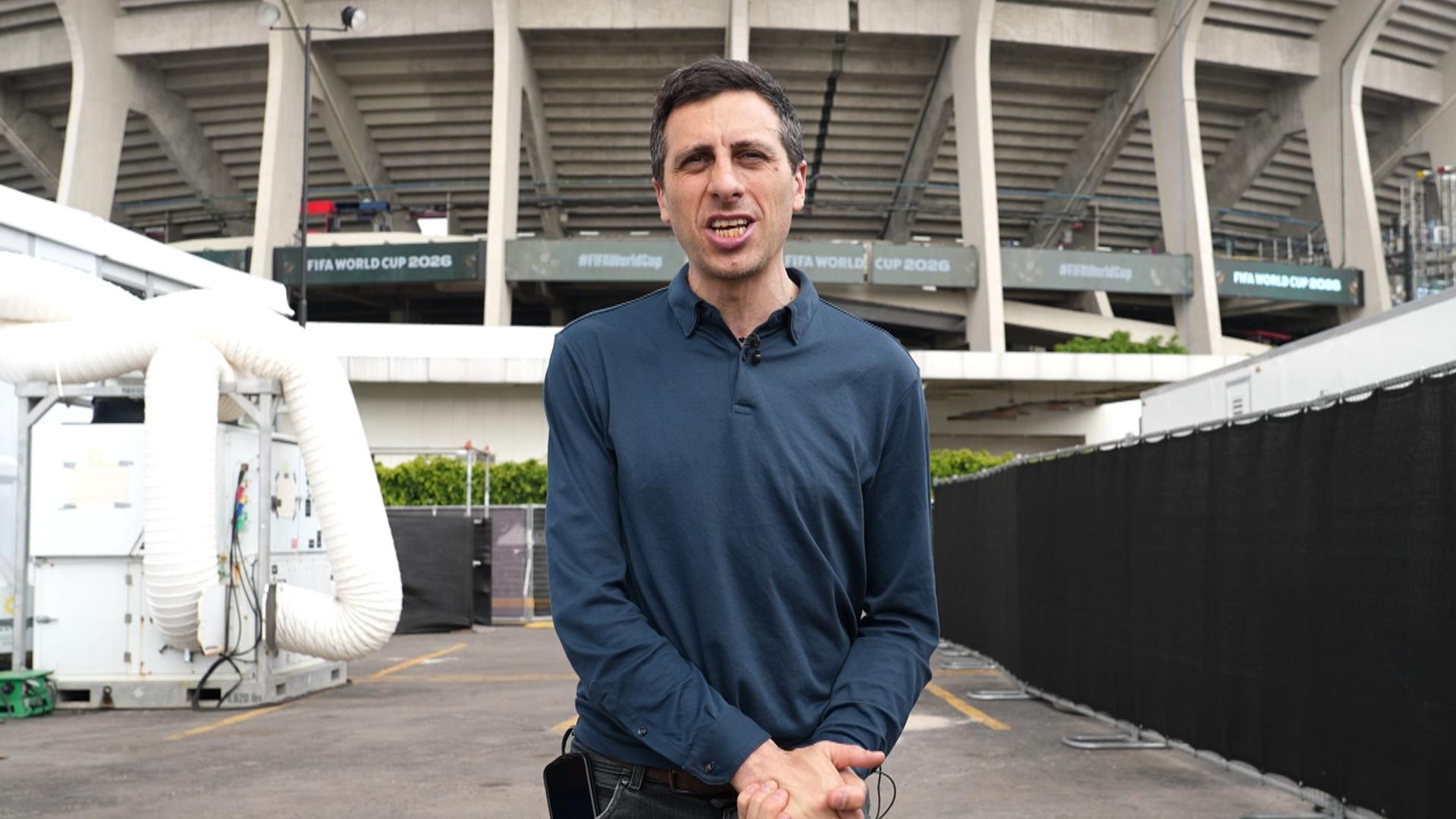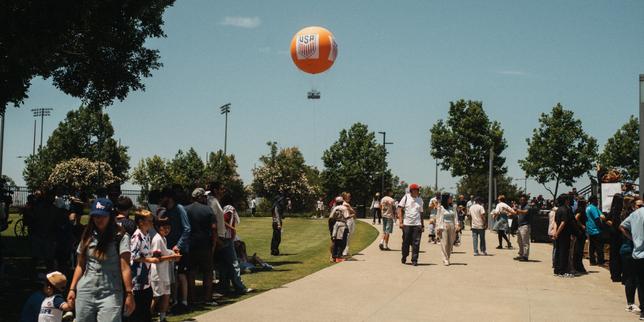
The expansion of the FIFA World Cup to a 48-team, 104-match format across three sovereign nations introduces an unprecedented operational scale. The shift from centralized, single-city models to a distributed continental matrix alters the risk distribution. Rather than managing localized clusters, organizers face a tripartite friction point: the alignment of divergent border architectures, the management of highly compressed transport cost networks, and the mitigation of acute climate vulnerabilities. This structural reorganization strains the standard protocols of sporting event logistics, transforming the competition into an exercise in high-stakes transnational governance.
The Transnational Friction Coefficient Border Mechanics and Jurisdiction
The decision to distribute host venues across Canada, Mexico, and the United States reveals a fundamental tension between global event fluidity and rigid state sovereignty. In previous iterations, a centralized visa policy allowed for predictable entry mechanics. In contrast, the current matrix introduces varying processing timelines, security clearings, and diplomatic restrictions.
The primary operational bottleneck exists within immigration architecture. While fans and athletic delegations require rapid clearance, the participating nations operate on distinct legal frameworks. For instance, visa-refusal rates and border protocols are heavily influenced by shifting national immigration priorities. These variables create an unpredictable entry environment for international spectators and support staff.
To evaluate this operational friction, we can establish the Cross-Border Delay Index ($C_{bd}$), modeled as follows:
$$C_{bd} = \sum_{i=1}^{3} \left( \frac{T_i \times V_i}{P_i} \right) + \Delta J$$
Where:
- $T_i$ represents the average border processing time for country $i$.
- $V_i$ represents the projected volume of international arrivals entering through country $i$.
- $P_i$ represents the operational throughput capacity of border personnel in country $i$.
- $\Delta J$ represents the jurisdictional friction variable caused by non-standardized intelligence sharing between agencies.
This friction extends to localized law enforcement and venue safety. Security deployments at the 16 host stadiums must reconcile municipal, state, and federal mandates across three different constitutional frameworks. The absence of a centralized command structure introduces communication deficits. When a security threat moves across a border, the speed of response depends heavily on the specific bilateral intelligence-sharing agreements in place rather than a single, unified protocol.
The Network Cost Function Logistics and Travel Logistics
The financial and physical efficiency of a sports tournament relies heavily on minimizing transit times and maximizing resource recovery windows. In smaller host nations, travel between matches was a marginal variable. In a continental model spanning over 4,000 kilometers from Vancouver to Mexico City, travel becomes a primary performance determinant.
The expansion to 48 teams increases the total matches to 104, generating a geometric progression in resource requirements. Teams no longer maintain a single base camp; instead, they operate in transient cycles, requiring continuous adaptation to varying altitudes, microclimates, and time zones. The resulting operational strain can be understood through the lens of a highly vulnerable supply chain.
The Transit Disruption Loop
- Aviation Bottlenecks: The reliance on chartered and commercial commercial aviation to move millions of fans and dozens of athletic delegations introduces severe slot-allocation constraints at major hubs like Hartsfield-Jackson Atlanta International Airport or New York’s John F. Kennedy International Airport.
- Recovery Deficits: The metabolic cost of long-haul travel directly impacts athlete physiology. Air travel over multiple time zones accelerates fatigue, undermining team performance and increasing soft-tissue injury risk.
- Supply Chain Inelasticity: Kit, medical machinery, and broadcast infrastructure must clear custom checkpoints multiple times, compounding the probability of transit delays.
The second limitation is systemic cost inflation. As travel distances increase, the overhead costs for participating member associations rise sharply. This dynamic disadvantages lower-budget federations, creating an economic divide in preparation quality.
Environmental Cost Models The Nine Million Ton Carbon Footprint
The modern sports industry frequently uses environmental sustainability as a marketing tool. However, carbon data exposes a clear contradiction between public relations goals and actual resource consumption. The projected total carbon footprint for this tournament reaches nine million tonnes of carbon dioxide equivalent ($CO_2e$), doubling the emissions of recent single-host tournaments.
Emissions Profile: 2026 Continental Scale vs. Previous Centralized Formats

[Previous Centralized Formats]
████ 4.5M Tonnes CO2e

[2026 Continental Format]
████████ 9.0M Tonnes CO2e
This emissions surge is driven entirely by structural choices. The primary source is scope 3 emissions, specifically international and domestic air travel by fans moving between far-flung host cities. By selecting a continental layout, organizers structurally locked in high-emission travel behaviors that cannot be offset by local stadium sustainability initiatives.
The integration of high-carbon commercial partnerships further complicates environmental objectives. Corporate sponsorships with major global oil producers create an institutional misalignment. While local organizing committees implement stadium waste-reduction protocols and water-reclamation infrastructure, the overall event format relies heavily on high-emission business models. This reality undermines environmental claims, shifting the conversation from actual carbon reduction to tactical public relations management.
Climate Friction and Public Health Infrastructure
The timing of the tournament intersects directly with peak North American summer thermal anomalies, creating a predictable public health challenge. Host cities face diverse environmental risks, including extreme heatwaves in Texas, wildfire smoke in California, and coastal storm surges in Florida.
The primary operational risk to matches and spectators is thermal stress. When wet-bulb globe temperatures exceed critical thresholds, human heat regulation fails, driving a surge in emergency room admissions.
Thermal Stress & Systemic Risk Cascade

Extreme Summer Heat Anomalies
      │
      ▼
Critical Wet-Bulb Thresholds Exceeded
      │
      ├──> Athlete Performance Devaluation & Injury Risk
      │
      └──> Spectator Dehydration & Heat Illness Surge
            │
            ▼
      Urban Emergency Room Overload (Compounded by Rural Hospital Closures)
This sudden influx of patients tests local medical capacity, especially in regions already facing health system strains. While private medical facilities in major metros like Mexico City or Dallas maintain high capacity, urban emergency departments face a predictable strain on match days.
This healthcare vulnerability is exacerbated by structural trends:
- Rural Healthcare Closures: The long-term reduction in rural hospital access across North America shifts non-critical emergency loads toward urban centers, reducing the baseline buffer capacity of host city hospitals.
- Ambulance Allocation Deficits: The concentration of emergency vehicles around stadiums and fan zones creates a local deficit, slowing response times for non-tournament incidents in peripheral neighborhoods.
- Pathogen Transmission Vectors: High-density mass gatherings facilitate the spread of respiratory infections like measles and influenza. When paired with high ambient temperatures, these outbreaks accelerate emergency department overcrowding.
To protect athlete safety, match officials use mandatory cooling breaks and adaptive scheduling. However, these steps address the symptoms rather than the underlying environmental challenge, highlighting the ongoing tension between fixed commercial broadcasting schedules and volatile local climates.
The Cyber Physical Threat Matrix and Strategic Defenses
Modern event security requires a strategy that treats physical boundaries and digital infrastructure as a single, integrated asset. The expansion of the tournament occurs during heightened geopolitical tensions, which alters the risk environment for corporate sponsors, public safety agencies, and digital networks.
The primary risk shift is the transition of non-state actors from online disruption to coordinated cyber-physical attacks. Rather than relying on simple distributed denial-of-service (DDoS) tactics against ticketing platforms, modern threat actors deploy multi-vector operations designed to disrupt both digital systems and physical venues.
Integrated Defense Framework
| Defense Layer | Primary Target | Operational Vulnerability | Risk Mitigation Protocol |
|---|---|---|---|
| Physical Perimeter | Access control points, transit hubs | Chokepoint congestion, crowd surges | Real-time sensor networks, predictive crowd-flow algorithms |
| Network Infrastructure | Stadium operational tech, smart grids | Industrial control system penetration | Segmented zero-trust architectures, real-time endpoint monitoring |
| Supply Chain | Third-party vendor networks, logistics | Phishing, credential theft | Mandatory multi-factor authentication, vendor verification gates |
The true challenge for host nations lies in the vulnerability of third-party vendors. While primary venues maintain high security standards, peripheral suppliers—such as local transport providers, catering companies, and temporary facility staff—often lack comparable defenses. This variation creates opportunities for systemic disruption, turning the supply chain into a key vulnerability.
The operational response must move away from reactive incident management toward predictive asset protection. This transition requires automated threat intelligence sharing that bridges the gap between public law enforcement and private security teams across international borders. Without this integration, the scale of the event creates communication gaps that sophisticated threat actors can exploit.
Strategic Playbook for Transnational Contingency Management
Managing an event of this scale requires moving away from static planning models. Host organizations, corporate sponsors, and municipal authorities must transition to dynamic, scenario-based frameworks that treat disruption as an expected operational variable rather than an anomaly.
The primary action item requires establishing a permanent, cross-border operational command with the authority to reallocate transit assets, modify security postures, and adjust match schedules in real time. This joint agency must bypass traditional diplomatic channels to prevent bureaucratic delays during a crisis.
Furthermore, scheduling models must incorporate climate volatility directly into their core parameters. If local wet-bulb temperatures exceed safety thresholds, protocols should trigger automatic venue shifts or schedule adjustments, regardless of broadcast window pressures.
Ultimately, future mega-event bidding processes must reassess the commercial expansion model. The pursuit of larger formats across vast geographical areas creates significant operational, financial, and environmental liabilities. True operational resilience requires matching tournament scale with the actual carrying capacity of the host geography, ensuring that global celebrations remain logistically viable and structurally secure.