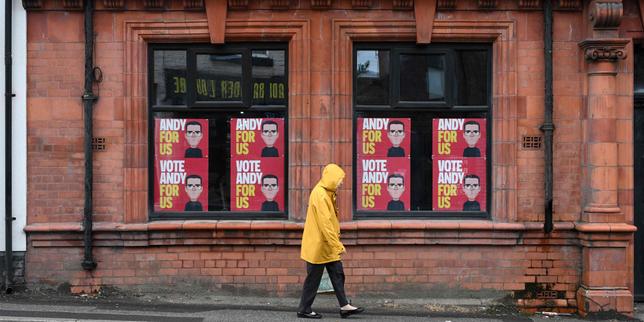
Andy Burnham wants back into Parliament. The Greater Manchester Mayor has spent years building a formidable power base outside of London. He became the self-styled King of the North. He fought the Treasury during pandemic lockdowns and reshaped public transport with his Bee Network. But regional power has its limits. If you want the top job in British politics, you need a seat in the House of Commons.
That's where the constituency of Makerfield comes in.
Speculation is mounting across the Labour Party that Burnham is looking at this specific Greater Manchester seat as his return ticket to Westminster. It makes perfect tactical sense. Makerfield is safe Labour territory, located right in his backyard. Securing it would position him perfectly for a future national leadership bid when Keir Starmer eventually steps aside.
The political chessboard is moving quickly. Understanding this maneuver reveals exactly how power works in the modern Labour Party.
The Strategic Value of Makerfield for Andy Burnham
You can't lead a national party from a mayoral office in Piccadilly Gardens. British prime ministers must be members of parliament. Burnham knows this better than anyone. He previously served as the MP for Leigh from 2001 to 2017 before pivoting to local government.
Choosing the right seat for a comeback is incredibly delicate. You can't just parachute into any random constituency without facing massive local backlash.
Makerfield solves every problem for him. It's a rock-solid Labour stronghold in the Metropolitan Borough of Wigan. The seat has been held continuously by the Labour Party since 1906. Even during the 2019 collapse of the so-called Red Wall, when neighboring areas flipped to the Conservatives, Makerfield held firm.
The current political reality makes this seat a prime target. Incumbent MP Yvonne Fovargues has represented Makerfield since 2010. Should a vacancy arise, Burnham is the obvious, heavyweight local candidate who can sweep in without being labeled a London elite. He already represents these voters as metro mayor. It's a natural fit.
Why the Regional Power Base Isn't Enough Anymore
Devolution gave metro mayors real teeth. Burnham used those teeth effectively. He grabbed headlines by taking on central government over funding allocations, and he successfully brought Manchester’s buses back under public control.
But regional mayors don't set macroeconomic policy. They don't control defense budgets, foreign affairs, or national taxation rates.
People close to the internal machinery of the Labour Party acknowledge that Burnham’s ambitions never truly shrank to fit municipal government. He ran for the national party leadership twice, losing to Ed Miliband in 2010 and Jeremy Corbyn in 2015. His move to Manchester wasn't a retirement. It was a strategic retreat to rebuild his brand.
He successfully rebranded from a polished Westminster insider into a passionate regional champion. That's a powerful narrative for a future national campaign. But the clock is ticking. To capitalize on his high public profile, he needs to be sitting on the green benches in London before the next major internal party shift.
Navigating the Keir Starmer Dynamic
The relationship between the current Prime Minister and the Greater Manchester Mayor is complicated. It's polite on the surface, but tense underneath. Starmer runs a tightly controlled, highly centralized operation. Burnham represents an alternative power center within the movement.
Factional allies of the current leadership aren't exactly rushing to roll out the red carpet for a Burnham return. A powerful, independent-minded MP with a massive personal mandate from the North of England creates an immediate shadow leadership threat.
If Burnham secures a seat like Makerfield, he instantly becomes the focal point for MPs who feel left behind by the current leadership's cautious fiscal approach. He doesn't need to launch an open rebellion. His mere presence in the Commons changes the gravity of the room.
What This Tells Us About the Future Labour Succession
Political survival requires looking three steps ahead. While the current government focuses on its immediate legislative agenda, ambitious figures across the party are quietly positioning themselves for the long term.
The race to eventually succeed Starmer won't just be fought among current cabinet ministers. It will involve figures who have built reputations outside the Westminster bubble. Burnham’s potential return via Makerfield serves as a blueprint for how regional leaders can leverage local popularity back into national influence.
Watch the local constituency selections in Greater Manchester closely over the coming months. The local party selections, retirement announcements, and internal committee votes will tell you everything you need to know. If local selection rules start tilting in a way that favors high-profile regional figures, it means the wheels are officially in motion. Keep a close eye on the regional party notices and local branch meetings in Wigan and Makerfield. That's where the real story is unfolding.


