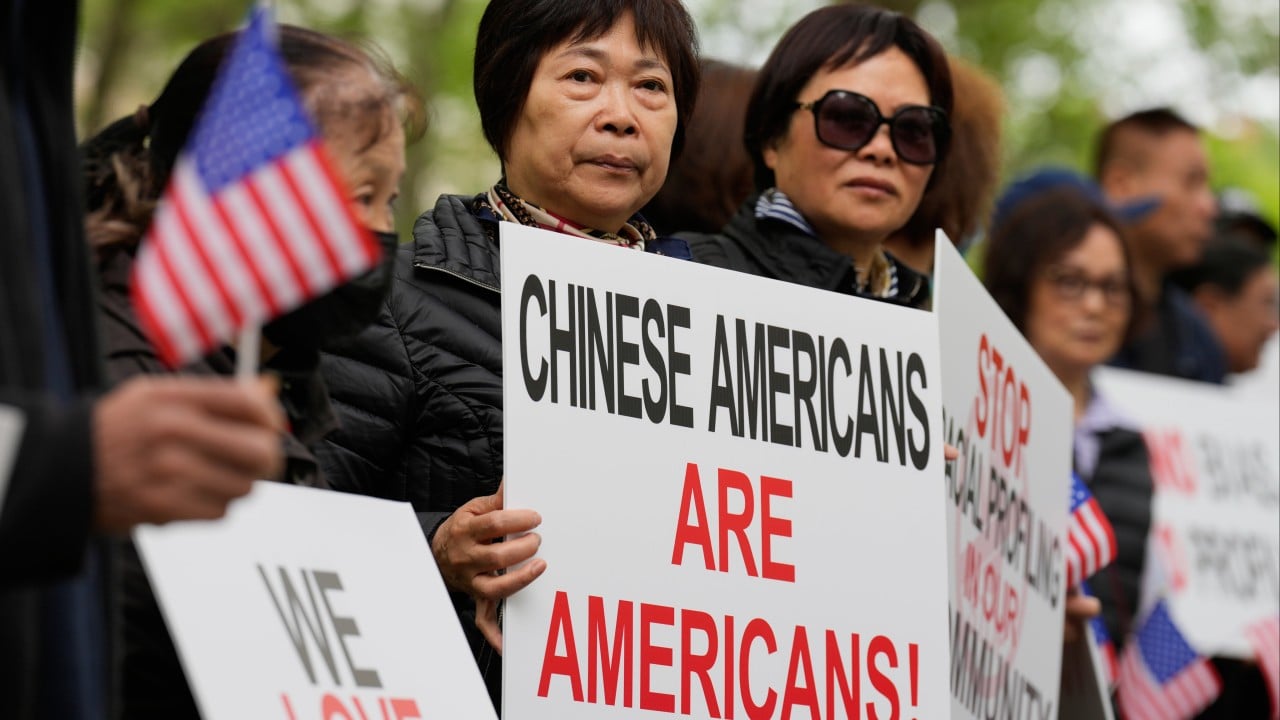
The trial concerning the alleged "secret police station" in New York City functions as a diagnostic window into the evolving doctrine of extraterritorial jurisdictional expansion. This isn't merely a localized criminal case regarding unregistered foreign agents; it is a case study in the systemic bypassing of the Vienna Convention on Consular Relations through the utilization of non-governmental organizations as proxies for state security functions. By establishing a physical footprint within a sovereign neighbor under the guise of administrative service centers, state actors can exert influence and monitor diaspora populations without the oversight or transparency required by formal diplomatic protocols.
The mechanism at play relies on a hybrid operational model that blends civil society cover with intelligence-gathering mandates. To understand the gravity of these outposts, one must look past the headlines and analyze the structural framework through which these entities operate, the technological dependencies they utilize, and the legal friction they generate within the host nation’s justice system.
The Triad of Extraterritorial Influence
The operation of these unauthorized outposts rests on three distinct functional pillars. Each pillar serves a specific objective that, when combined, creates a comprehensive system for monitoring and controlling target populations abroad.
1. Administrative Entanglement
The primary facade of these stations is the provision of routine administrative services, such as driver’s license renewals or the processing of official documents for citizens living abroad. On the surface, this appears to be a matter of convenience. However, from a structural perspective, this creates a "touchpoint" that bypasses the host country’s regulatory environment. By centralizing these services in a non-diplomatic setting, the state actor gains direct access to the biometric data, residency information, and contact details of the diaspora without the host government’s ability to monitor the exchange. This data serves as the foundation for the broader surveillance apparatus.
2. Coercive Proximal Presence
The physical presence of an office linked to home-country security forces—even if staffed by civilians or NGO members—functions as a psychological deterrent. This is the "Long Arm" effect. When individuals within a diaspora community believe that a physical manifestation of their home country’s police force exists blocks away from their residence, the threshold for self-censorship drops significantly. The objective is not necessarily to arrest individuals on foreign soil—which carries high diplomatic risks—but to project the capability of state reach, thereby neutralizing political dissent through proximity.
3. Intelligence Synthesis and Feedback Loops
These outposts act as localized nodes for a global intelligence network. Information gathered during "administrative" interactions is fed back into domestic security databases. This allows the state to apply pressure not just on the individual abroad, but on their family members back home. This "transnational leverage" is the most potent weapon in the arsenal of extraterritorial repression. It creates a feedback loop where actions taken in New York or London result in direct consequences in Beijing or elsewhere, effectively erasing the protection of international borders.
The Technical Infrastructure of Surveillance Proxies
The effectiveness of these outposts is amplified by the integration of specific technological tools that facilitate monitoring and communication outside the view of host-nation signals intelligence.
- Closed Communication Loops: Staff often utilize encrypted, proprietary messaging platforms that route data through home-country servers, ensuring that the nature of their instructions remains opaque to local law enforcement until physical devices are seized and exploited.
- Data Aggregation and Social Graphing: By managing community events and administrative tasks, these stations can map the social graphs of activists. They identify who speaks to whom, who attends which protests, and who maintains connections with "subversive" elements.
- Digital Harassment Integration: There is often a direct correlation between physical monitoring by these stations and coordinated digital attacks. When a target is identified via the physical outpost, their digital footprint is prioritized for state-sponsored trolling or hacking attempts, a process known as "cross-platform repression."
Legal Friction and the Sovereignty Gap
The New York trial exposes a critical vulnerability in Western legal frameworks: the gap between traditional espionage laws and the reality of "gray zone" operations. Current legal structures are well-equipped to handle the theft of classified military secrets, but they struggle with the nuance of foreign agents performing "service" roles that double as surveillance.
The prosecution’s strategy hinges on the Foreign Agents Registration Act (FARA) and 18 U.S.C. § 951, which governs agents of foreign governments. The difficulty lies in proving the chain of command. Unlike a traditional intelligence officer carrying a diplomatic passport, these operatives often hold legitimate business titles or community leadership positions. The state actor utilizes a "distributed responsibility" model, where no single individual appears to be a "spy," yet the collective output of the office serves the state's security objectives.
This creates a high burden of proof for the government. They must demonstrate that the defendants were not merely "helping the community" but were operating under the "direction and control" of a foreign power. The absence of a formal contract or explicit salary from a foreign intelligence agency makes this a complex evidentiary puzzle involving financial forensics and the analysis of metadata from intercepted communications.
The Cost Function of Non-Diplomatic Stations
For the state establishing these stations, the cost-benefit analysis is clear. The "cost" of a diplomatic incident if a station is discovered is weighed against the "benefit" of neutralizing high-value dissidents and maintaining total information awareness over the diaspora.
- Asset Liquidity: These stations are "disposable." If law enforcement raids a storefront in Chinatown, the state can deny all involvement, citing it as an overzealous community group acting independently. This provides a level of plausible deniability that an embassy or consulate cannot offer.
- Operational Efficiency: Operating outside the constraints of the State Department’s diplomatic protocols allows these entities to interact with the local population with a level of granularity that official diplomats cannot achieve. They can embed themselves in local chambers of commerce, neighborhood associations, and cultural groups.
The Strategic Realignment of Counter-Interference
The outcome of the New York trial will dictate the future of counter-interference strategy in the West. If the prosecution secures a conviction, it sets a precedent that the "service center" model is a per se violation of sovereignty, likely leading to a global crackdown on similar nodes. If the prosecution fails, it provides a blueprint for foreign powers to scale these operations with near-total impunity, provided they maintain a sufficiently "civilian" veneer.
The fundamental challenge remains the identification of the "signal" of state control within the "noise" of legitimate community activity. Addressing this requires a shift from reactive law enforcement to proactive structural monitoring. This involves:
- Transparency in Community Funding: Mandating full financial disclosure for NGOs that provide services traditionally handled by consulates.
- Biometric Data Protections: Implementing regulations that prevent non-diplomatic entities from collecting or transmitting biometric or identification data of foreign nationals to their home governments without explicit host-country authorization.
- Expanded Definition of Repression: Recognizing "transnational repression" as a specific category of criminal activity that encompasses threats to family members abroad as a primary element of the crime, rather than a secondary consideration.
The trial is not an isolated event; it is the first major confrontation in a new era of jurisdictional warfare. As state actors continue to develop methods to project power beyond their borders, the definition of "national security" must expand to include the protection of all residents—regardless of citizenship—from the coercive reach of foreign security apparatuses operating under the guise of community service.
The primary strategic move for host nations is the immediate auditing of all "overseas service centers" that lack formal bilateral recognition. Establishing a clear regulatory "red line" that separates administrative assistance from security-linked data collection is the only way to preserve the integrity of domestic sovereignty while protecting vulnerable diaspora populations from the encroaching reach of extraterritorial authoritarianism.