Hollywood just got a wake-up call that cost $82 million. If you haven’t been tracking the box office performance of The Backrooms, you’re missing the biggest shift in cinema since the first superhero craze. While traditional studios are busy rebooting 40-year-old franchises, a low-budget horror flick born from an internet meme just hauled in massive numbers. It didn't need a hundred-million-dollar marketing spend. It just needed the internet.
The film's $82 million opening weekend isn't just a win for indie horror. It’s a total rejection of the "gatekeeper" model. We’re seeing a new reality where a kid with a YouTube channel can outpace seasoned directors because they actually understand what the younger audience wants. Gen Z and Gen Alpha didn't show up for a star-studded cast. They showed up for a vibe they’ve been living with online for years. For a different look, read: this related article.
Why The Backrooms Is More Than Just A Horror Movie
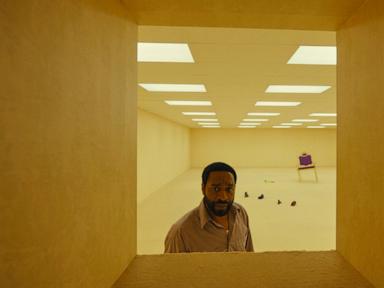
The concept of "liminal spaces" sounds like something from an architecture textbook, but for anyone under 25, it’s a core aesthetic. The Backrooms started as a creepy image of a yellow-walled, fluorescent-lit office basement on 4chan. It grew into a massive collaborative lore project. When Kane Parsons, a teenager with a vision, started making short films about it on YouTube, he tapped into a specific kind of dread.
This isn't your grandfather’s slasher. There’s no guy in a mask jumping out from behind a bush. It’s about the fear of being lost in a repetitive, infinite space that shouldn't exist. It’s existential. It’s lonely. Honestly, it’s exactly how a lot of people feel about the modern world. That’s why the movie resonated. It’s relatable dread. Related coverage regarding this has been published by E! News.
The $82 million figure is significant because it represents a demographic that studios have struggled to capture. Teenagers and young adults aren't buying tickets for "prestige" dramas. They’re buying tickets for experiences that feel like an extension of their digital lives. If you want to understand the money, you have to understand the culture.
The Viral Engine Behind the Revenue
Marketing for The Backrooms didn't happen on billboards in Times Square. It happened on TikTok, Discord, and Reddit. The studio behind the film—A24—did what they do best: they let the mystery do the talking. They didn't over-explain the plot in the trailers. They kept it cryptic.
I’ve seen dozens of "analysts" act surprised by these numbers. They shouldn't be. Look at the engagement metrics on the original YouTube series. We’re talking hundreds of millions of views. When you have a built-in audience that's already invested in the lore, the box office is basically a formality.
- Community Ownership: Fans feel like they helped build this world. They did.
- Visual Language: The grainy, VHS-style "found footage" look is huge right now.
- Low Barriers to Entry: You don't need to have seen 20 other movies to understand this one.
Traditional studios usually try to "sanitize" internet culture when they bring it to the big screen. They add a romance subplot or a famous actor who doesn't fit. The Backrooms avoided that trap. It stayed weird. It stayed niche. And because it stayed niche, it became a massive hit.
Stop Overthinking the Found Footage Revival
People keep saying found footage is dead. It’s not. It was just resting. The success of The Backrooms shows that the format is perfect for the way we consume media now. We’re used to vertical video, shaky cams, and raw footage. A polished, $200 million CGI spectacle often feels less "real" than a grainy shot of a hallway.
There’s a certain grit here that’s been missing from mainstream horror. By leaning into the "Found Footage" style, the filmmakers saved a fortune on production while actually increasing the immersion. It’s a brilliant move. You don't need a massive budget to scare people. You just need to make them feel like they’re seeing something they aren't supposed to see.
This Changes Everything for Indie Creators
If you’re a creator, this is the most exciting time in history. The path from "YouTube creator" to "Box Office leader" is now a proven route. You don't have to spend years as a PA on a set to get your shot. You just have to build something people care about.
The $82 million result is a green light for every weird, experimental idea sitting in a Google Doc right now. Expect a wave of "creepypasta" adaptations. Some will be terrible. But the ones that respect the source material and the audience will thrive. This isn't a fluke. It's a template.
Studios are going to try to replicate this. They’ll fail if they try to manufacture the "viral" aspect. You can't fake authenticity. The reason The Backrooms worked is that it felt like it came from a person, not a committee. It’s a singular vision that happened to match a collective nightmare.
Pay Attention to the Shifts in Attendance
We have to look at who is actually sitting in those seats. Reports show that over 60% of the opening weekend audience was under the age of 24. That’s a demographic that usually stays home to play games or watch streamers. Getting them to a physical theater is the "holy grail" for the industry right now.
They didn't just go for the movie. They went for the communal experience. They wanted to see the memes come to life with a group of people who "get it." This is a tribal moment. If you aren't part of the tribe, the movie might seem boring or confusing. If you are, it’s the cinematic event of the year.
The Myth of the Short Attention Span
Critics love to complain that Gen Z has a six-second attention span. The Backrooms proves that’s total nonsense. This movie is a slow burn. It’s atmospheric. It requires the viewer to pay attention to subtle environmental cues.
The audience doesn't have a short attention span; they have a low tolerance for boring, formulaic junk. They’ll sit through a two-hour movie if it’s interesting. They just won't sit through another "hero's journey" that they’ve seen a thousand times before. Give them something fresh, and they’ll give you their money.
What This Means for the Rest of 2026
We’re going to see a lot of reactionary moves from the big players. Expect announcements for movies based on every popular internet mystery from the last decade. But the real lesson here isn't "make movies about memes." The lesson is "hire the people who are already making great stuff online."
Don't wait for a studio to tell you your idea is valid. The market already told us. $82 million is a lot of validation.
If you want to see where the industry is going, stop looking at the trades and start looking at what’s trending on niche forums. The next big hit is already out there, probably being rendered on a laptop in someone’s bedroom.
The next step for anyone in the industry is simple. Stop trying to "target" an audience. Start trying to understand them. Go watch the original videos. Read the wikis. Understand the lore. If you treat this like a gimmick, you’ll lose. If you treat it like the new standard, you might just survive the shift.
Go to a theater this Tuesday. Watch the crowd. See how they react to the silence in the film. That’s the sound of the old Hollywood dying and something much more interesting taking its place.