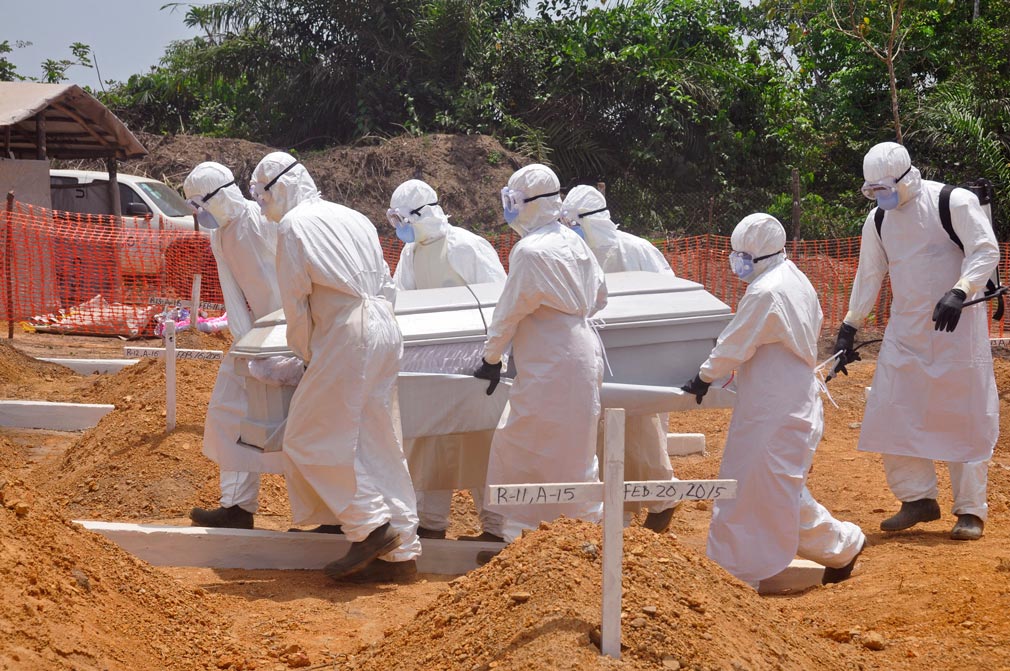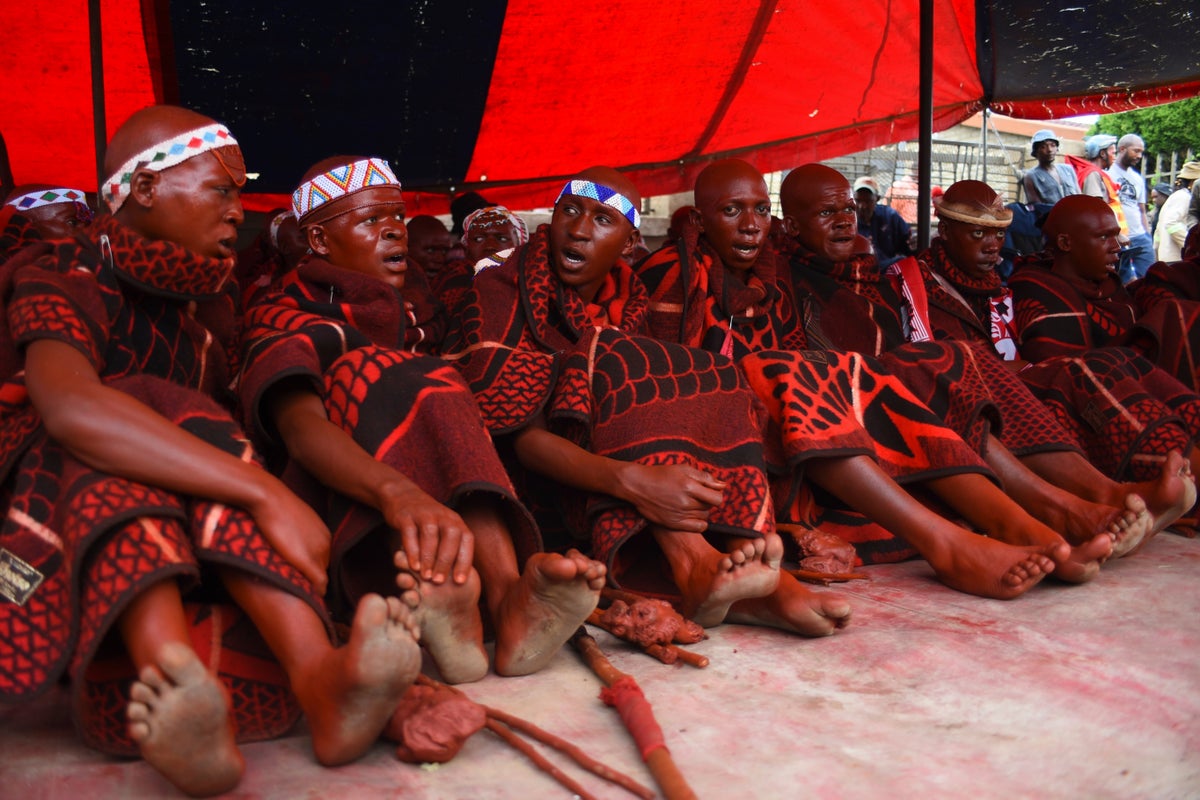
The persistent mortality rate associated with traditional initiation rituals in South Africa is not a failure of cultural intent, but a failure of medical and logistical systems. When 500 deaths occur within a few years during a predictable, seasonal rite of passage, the issue shifts from a cultural debate to a public health crisis defined by septicemia, dehydration, and gangrene. These deaths represent the end-point of a systemic breakdown involving three specific vectors: physiological trauma, institutional secrecy, and the erosion of traditional oversight mechanisms.
To solve the high mortality rate, the intervention must move beyond "awareness" and into the granular management of wound care, hydration protocols, and the decoupling of "manhood" from physical endurance of infection.
The Physiological Pathogenesis of Initiation Mortality
The primary drivers of death in initiation schools are clinically identifiable and preventable. Most fatalities are categorized under three pathological umbrellas that occur when surgical procedures are performed without sterile environments or post-operative monitoring.
Septicemia and Localized Necrosis
The use of non-sterile instruments—often shared between multiple initiates—introduces bacterial pathogens directly into the bloodstream. Without antibiotic intervention, localized infections escalate into systemic sepsis. The "secrecy" mandate of the ritual often prevents initiates from seeking help until they reach a state of septic shock, at which point the mortality rate climbs exponentially.
Acute Renal Failure via Dehydration
A common practice in many traditional schools involves the restriction of water intake to "harden" the initiates. From a biological standpoint, this is catastrophic when paired with the physical stress of the ritual and the metabolic demands of wound healing. The resulting dehydration leads to acute kidney injury (AKI). When the kidneys fail to filter toxins, the initiate suffers from electrolyte imbalances, leading to cardiac arrest or neurological collapse.
Penile Gangrene and Ischemic Necrosis
Tight bandaging, often applied by untrained traditional nurses (amakhankatha), creates a tourniquet effect. This restricts blood flow to the distal tissues. If the pressure is not relieved within hours, tissue death begins. This is not merely a cosmetic loss; gangrene acts as a nidus for further infection, necessitating emergency amputation to save the initiate’s life.
The Institutional Breakdown: Three Pillars of Risk
The high death toll is sustained by a specific structural framework that resists external intervention. Understanding these pillars is essential for any strategy aimed at reducing the mortality rate.
1. The Information Asymmetry Gap
There is a massive disconnect between the legal requirements (such as the Customary Initiation Act) and the ground-level execution. Traditional leaders often lack the medical training to identify early-stage sepsis, while medical professionals are often barred from the "sacred" sites until it is too late. This gap ensures that the window for life-saving intervention—usually the first 48 hours after the procedure—is missed.
2. The Commercialization of Tradition
The emergence of "illegal" schools has introduced a profit motive that overrides safety. Legitimate traditional leaders operate under strict community accountability, but "rogue" operators prioritize volume. High intake numbers in these schools lead to:
- Decreased supervision ratios (too many initiates per nurse).
- Use of cheaper, non-sterile tools.
- Overcrowded, unsanitary living conditions that facilitate the spread of tuberculosis and other respiratory infections.
3. The Psychological Barrier of "The Soft Man"
The definition of a successful initiation has, in some regions, drifted toward an endurance test. The idea that seeking medical help makes an initiate "weak" or "not a man" is the single greatest barrier to reducing the death toll. This social pressure creates a self-silencing mechanism where the victim becomes a co-conspirator in their own medical neglect.
Quantifying the Regulatory Failure
The South African government’s response has historically relied on reactive policing rather than proactive health integration. The failure of the current regulatory model can be mapped through its inability to enforce the following three requirements:
- Pre-Initiation Medical Screenings: While legally mandated, these are often bypassed or forged. An initiate with a pre-existing condition, such as HIV or diabetes, is at a significantly higher risk of slow wound healing and infection.
- The Register of Traditional Surgeons: There is a lack of a centralized, real-time database to track the performance and safety records of surgeons. Without this, "repeat offenders" whose schools have high death rates continue to operate in different regions.
- The Post-Operative Monitoring Loop: There is no standardized protocol for daily wound inspection by a trained health officer.
The Cost Function of Delayed Intervention
The economic and social cost of 500 deaths and thousands of hospitalizations is staggering. Beyond the loss of life, the surgical complications lead to permanent disability and psychological trauma.
The "cost of silence" can be expressed as the time elapsed from the first symptom of infection to the first administration of intravenous antibiotics.
- 0–12 Hours: High probability of recovery with minor intervention.
- 12–24 Hours: High probability of localized necrosis; potential for amputation.
- 24+ Hours: High probability of multi-organ failure and death.
Current structures often result in a 36-to-48-hour delay, placing the majority of reported cases in the highest risk category.
Strategic Realignment: The Hybrid Medical-Traditional Model
To break the cycle of mortality, the strategy must pivot from trying to "abolish" or "medicalize" the ritual to a "Hybrid Integrated Model." This involves the following tactical shifts:
Clinical Integration without Desecration
Instead of removing initiates to hospitals, medical practitioners must be integrated into the ritual space as "Technical Consultants." This allows for:
- On-site sterile kits: Providing single-use, pre-packaged surgical packs to traditional surgeons.
- Hydration stations: Replacing the "water restriction" myth with medically supervised hydration that maintains the symbolic "hardness" without inducing renal failure.
- Point-of-care testing: Using mobile kits to monitor white blood cell counts and markers of infection in real-time.
Decoupling Legal Liability and Reporting
Currently, traditional surgeons fear that reporting an ill initiate will lead to the immediate closure of their school and criminal charges. This fear drives the concealment of bodies and the late reporting of illnesses. A "Safe Harbor" reporting policy is required, where early reporting of a medical emergency is rewarded or shielded from certain levels of prosecution, while concealment is met with maximum legal force.
The Professionalization of the Amakhankatha
The traditional nurses (amakhankatha) are the primary caregivers. They are the frontline. A rigorous certification program that teaches basic wound care, sepsis recognition, and the signs of dehydration must be a prerequisite for any school to open. This turns the nurses from observers into the first line of medical defense.
The Structural Forecast
If the current trend of 70–100 deaths per year continues, the ritual faces an existential threat from both legal challenges and a generational shift in participation. The survival of the tradition depends on its ability to evolve into a zero-mortality system.
The path forward requires a brutal transition: moving the ritual away from a test of physical survival and toward its original intent—a transition of social and communal responsibility. Success will not be measured by the number of arrests made by the police, but by the number of initiates who return home without a single night spent in a hospital ward.
Immediate action requires the mandatory deployment of "Rapid Response Medics" to every registered initiation site, equipped with broad-spectrum antibiotics and IV fluids, with the authority to override traditional leaders when life-signs are critical. This is the only way to arrest the current death toll before the next season begins.