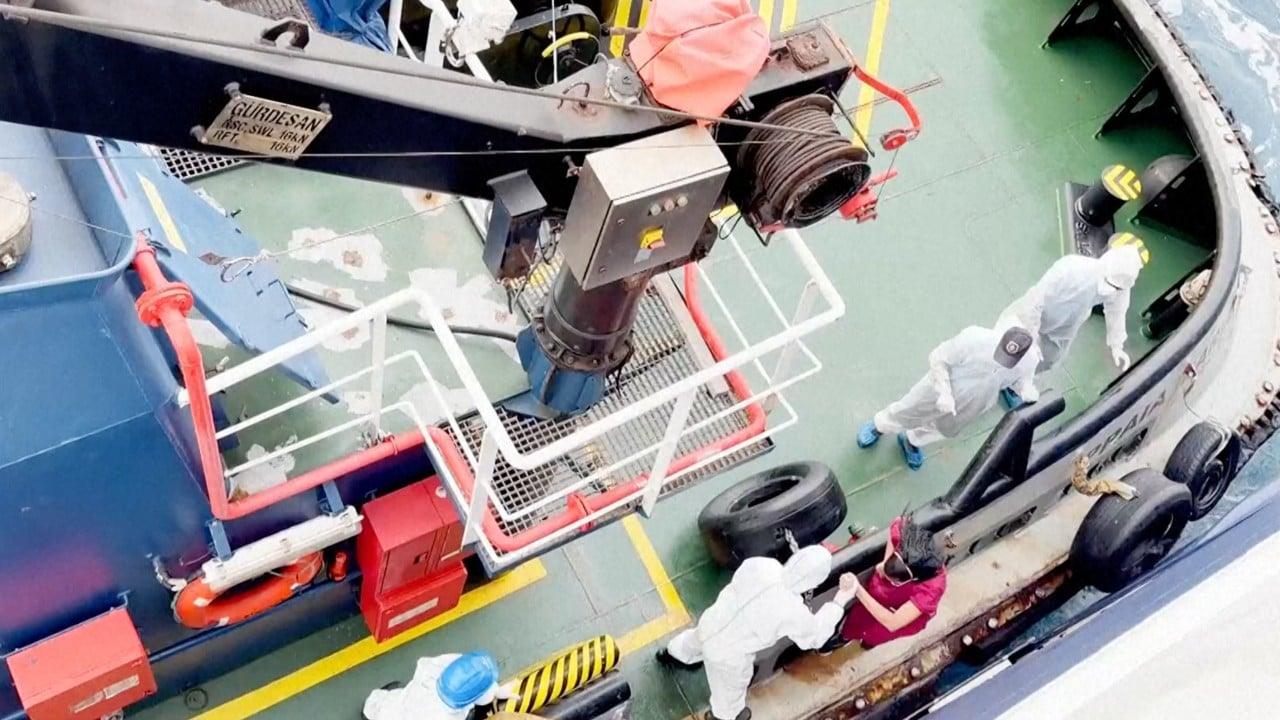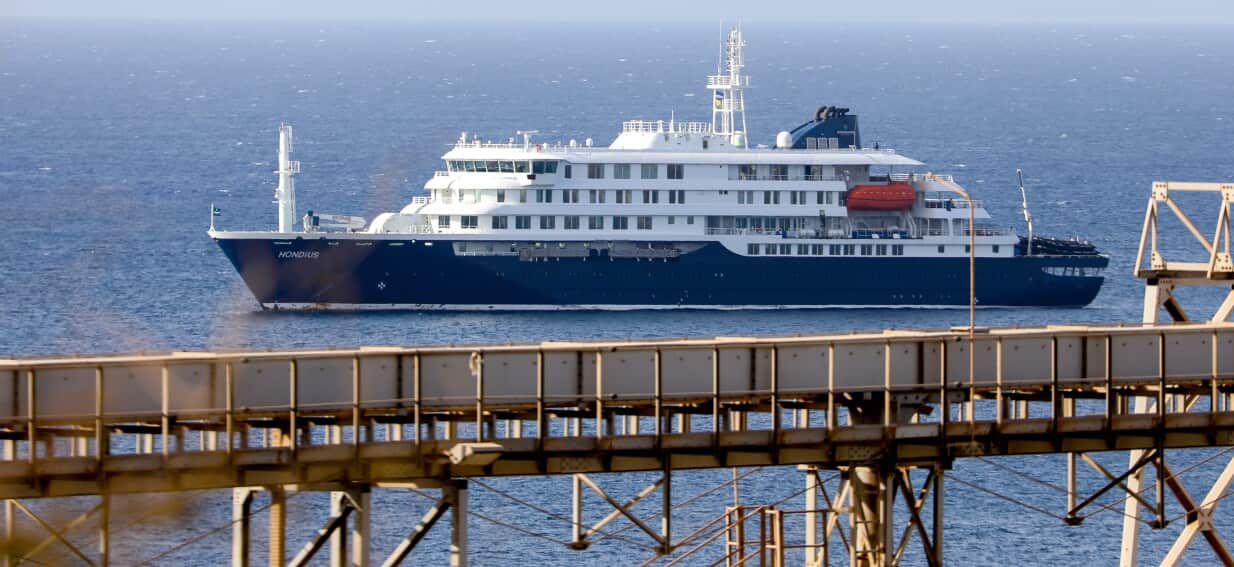
A commercial vessel sits idle in the harbor, its crew quarantined and its manifests under federal scrutiny. While initial reports focus on the logistics of medical evacuation, the real story lies in the systemic failure of maritime health protocols. The suspected presence of hantavirus among the crew has triggered a scramble for contact tracing that should have been managed weeks ago.
Hantavirus is not a standard cruise ship ailment. Unlike the ubiquitous norovirus that sweeps through buffets, hantavirus is a severe respiratory disease carried primarily by rodents. It does not spread through casual human-to-human contact under normal circumstances. When it appears on a ship, it signals a profound breakdown in sanitation or a specific, localized infestation that the shipping line failed to contain. The urgency of the current evacuation reflects a desperate attempt to prevent a public health PR nightmare rather than a routine medical procedure.
The Rodent Vector and Maritime Negligence
Modern shipping containers are essentially steel vaults, but they are far from airtight. In the global logistics chain, a single pallet of grain or textiles loaded in a rural port can serve as a Trojan horse for infected deer mice or rats. Once these rodents find their way into the bowels of a massive cargo ship, they settle into the ductwork and insulation.
The infection occurs when crew members inhale aerosolized particles of droppings, urine, or saliva. In the cramped, recycled-air environments of a ship’s lower decks, the risk of inhalation spikes. This is not a matter of "bad luck." It is a matter of pest control maintenance that has been deferred to save on operational costs.
Why Contact Tracing is Failing at Sea
Health officials are currently touting their "sharpening" contact tracing efforts, but the reality on the ground is far more chaotic. Maritime logs are notoriously messy. Crew members shift between shifts, shared berths, and communal mess halls with a fluidity that makes digital tracking nearly impossible.
The primary challenge is the timeline. The incubation period for hantavirus can stretch up to eight weeks. By the time a sailor shows symptoms—fever, muscle aches, and the dreaded shortness of breath—they have already spent two months moving through various ports, interacting with dockworkers, and perhaps even flying home on commercial aircraft during leave.
Tracing efforts are currently focused on the ship’s recent movements, but the source of the infection likely dates back to a port call made months ago. Investigators are looking at the wrong map.
The Problem with the PCR Trap
The medical community relies heavily on PCR testing to confirm hantavirus, but these tests are not foolproof during the early stages of the disease. If a crew member is tested too early, they get a false negative. They are then cleared to travel, potentially carrying the virus into a new urban center.
Public health authorities are currently caught in a catch-22. They can keep the ship offshore and risk the lives of the infected, or they can bring them into a local hospital and risk a localized outbreak if the virus has mutated into a more transmissible strain—a rare but documented possibility seen in South American variants like the Andes virus.
The Economic Pressure to Keep Sailing
Every hour a ship spends in quarantine costs the operator tens of thousands of dollars in port fees, fuel waste, and missed delivery windows. This creates a perverse incentive for captains to downplay symptoms among the crew. "It’s just a heavy flu," is a common refrain until someone stops breathing.
The maritime industry operates under a veil of jurisdictional confusion. If a ship is flagged in Panama, owned by a German conglomerate, and manned by a Filipino crew in American waters, who is responsible for the medical bills and the legal liability? This ambiguity allows companies to skirt the rigorous health inspections that would normally catch a rodent infestation before it becomes a biohazard.
Breaking the Silo of Port Authority Health
Current protocols for shipboard outbreaks are reactive. We wait for a body count before we send the Coast Guard. To truly manage the risk of hantavirus and similar zoonotic diseases, we need to shift the burden of proof onto the shipping lines.
- Mandatory Bio-Acoustic Monitoring: Technology exists to detect rodent movement within ship hulls using sensitive microphones. This should be a requirement for any vessel entering international waters.
- Decoupled Health Inspections: Inspections should be conducted by independent third parties, not agencies funded by the port authorities who have a vested interest in keeping the docks moving.
- Real-Time Crew Health Data: Digital manifests must include daily health check-ins that are uploaded via satellite to a central global database.
The Invisible Threat to Port Cities
The focus remains on the sailors, but the greater risk is to the port cities themselves. When a ship docks, it doesn't just offload cargo. It exchanges air, waste, and sometimes, its vermin. If an infected rodent escapes the ship and enters the local sewer system or a nearby warehouse, the "evacuation" of the ship becomes a footnote in a much larger urban health crisis.
The current strategy of "trace and evacuate" is a bandage on a gunshot wound. We are treating a systemic failure of industrial hygiene as if it were an isolated medical anomaly. Until the shipping industry is forced to prioritize biological security over-scheduled arrivals, these "suspected cases" will continue to appear with increasing frequency.
The evacuation is currently underway, and the patients will receive the best care available. But the ship remains. The rodents remain. And the next crew is already scheduled to board. We are not solving a problem; we are simply clearing the deck for the next infection.
The medical teams in hazmat suits are a visual distraction from the dry, boring, and utterly essential work of auditing ship maintenance logs. That is where the real infection started. That is where the next one is currently growing. Stop looking at the patients and start looking at the bilge.