The dust in the border town does not settle; it merely shifts from the road to the throat. On a Tuesday afternoon, the air tasted of exhaust, red clay, and a heavy, unspoken panic that had been building for weeks.
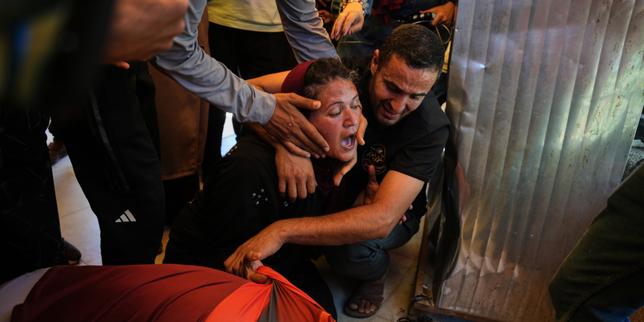
We heard the gunshot before we saw the crowd. It was a single, sharp crack that split the hum of the marketplace, followed by the terrifying sound of hundreds of people running in the same direction. When you live near a border crossing, you learn to read the geometry of a crowd. A scattered dispersal means a local fight. A unified surge means something much worse.
By sunset, a twenty-two-year-old man lay dead on the tarmac. His name was not immediately released, but everyone knew who he was—a local motorcycle taxi driver, the kind of young man who made his living navigating the chaotic, unpaved veins of this community. He was shot during a clash with police outside the gates of a newly erected concrete compound.
To the bureaucrats in Nairobi and the foreign directors in Washington, that compound was a triumph of proactive global health architecture: a state-of-the-art Ebola quarantine center, funded by American aid, designed to catch a deadly virus before it could leap across borders. But to the people who actually lived in its shadow, the facility looked like something else entirely. It looked like a prison. It looked like a threat.
The tragedy of that afternoon was not born out of a hatred for medicine. It was born out of a profound, catastrophic breakdown in human trust.
The Architecture of Suspicion
When international health agencies decide to build an isolation facility, they look at maps, transit corridors, and epidemiological vectors. They see a strategic choke point. They rarely see the households that will have to look at the barbed wire every morning.
Consider how the project arrived. One week, the field was an empty lot where children kicked soccer balls through the dust. The next, heavy machinery arrived, accompanied by armed guards and shipping containers painted with foreign logos. No town halls were held. No local elders were consulted. When rumors began to circulate that the facility would house victims of a hemorrhagic fever with a 50 percent mortality rate, the silence from official channels turned those rumors into absolute certainty.
Fear operates on a simple calculus: the less we know, the more we invent.
To a community that already felt neglected by its central government, the sudden arrival of a highly fortified, foreign-backed medical outpost felt less like a rescue mission and more like an occupation. People began to ask questions that logic could not easily dismiss. Why was this built here, miles from a major hospital? If the virus came, would the foreigners save the locals, or would they just lock them inside to die so the rest of the world remained safe?
This is the invisible friction of global health initiatives. When the Western world attempts to build a shield against disease in developing nations, it often forgets that a shield looks exactly like a sword if you are standing on the wrong side of it.
The Friction of Two Worlds
Medical anthropology teaches us that illness is never just biological; it is deeply social. When a person falls ill in this region, the community gathers. Neighbors bring food, grandmothers brew tea, and family members wash the sick. It is a communal defense mechanism against the cruelty of nature.
An Ebola protocol requires the exact opposite. It demands total isolation. It strips away the comfort of human touch, replaces faces with plastic goggles, and turns loved ones into biohazards.
Imagine a hypothetical scenario to understand how this feels on the ground. A young mother develops a sudden, burning fever. Under normal circumstances, her sister would come to care for her children while her husband took her to the local clinic. But now, there is a giant, foreign-funded quarantine center down the road. The rumor in the market is that anyone who goes inside never comes out, and their bodies are buried in secret, without the proper funeral rites that ensure a soul finds rest.
Instead of seeking help, the family hides her. They lock the door, muffle her coughs, and pray the fever breaks. The very infrastructure built to contain a outbreak ends up driving the sickness into the dark, creating the exact catastrophe it was designed to prevent.
The protest that ended in bloodshed was not an anti-science riot. It was a desperate, chaotic attempt by a community to reassert control over its own geography. When the crowd gathered outside the gates that Tuesday, they were demanding answers that no one in a suit had bothered to provide. The police responded with tear gas. The crowd threw stones. A weapon was fired.
A young man died because the architects of global health failed to realize that you cannot protect a population if you treat them as a variable rather than a partner.
The Cost of the Disconnect
The tragedy is that the quarantine center was genuinely meant to help. The doctors who designed it are not villains; they are scientists who understand the terrifying speed at which Ebola can devastate a region. They know that a single undetected case at a border crossing can ignite a wildfire that burns through cities and crosses oceans.
But expertise without empathy is a clinical exercise in failure.
The Western approach to aid often suffers from a structural hubris. It assumes that because the science is sound, the implementation will be universally welcomed. It relies on numbers—bed counts, PPE shipments, geographic coordinates—while ignoring the historical scars of colonial medicine and the deep-seated distrust of foreign intervention.
When we look at the data from past outbreaks in West Africa and the Democratic Republic of Congo, the pattern is unmistakable. The turning point in every successful fight against Ebola did not happen when a new facility opened or when more troops were deployed. It happened when health workers stopped talking through megaphones and started sitting on wooden stools in village squares, listening to the fears of the community leaders.
It happened when the medical establishment humbled itself enough to ask for permission.
Shifting the Ground
The concrete walls of the quarantine center still stand, now marred by soot from burned tires and the dark stains of a clash that should have never occurred. The facility is quiet, but it is the quiet of a standoff, not of peace.
We cannot afford to keep repeating these mistakes. The next pandemic will not wait for global institutions to learn how to communicate. If we continue to build walls of containment without building bridges of trust, the cost will be measured not just in dollars or aid budgets, but in human lives cut short on the side of dirt roads.
The sun went down completely, throwing long, distorted shadows across the market stalls. A few women remained, quietly packing away their unsold mangoes and maize, their movements hurried and silent. The smell of tear gas still hung faintly in the air, a chemical sting that lingered long after the sirens had faded into the distance.
Down by the gate of the compound, a single pair of sandals lay abandoned in the dirt, a quiet testament to the moment a young man ran toward a future he would never see, leaving a community to figure out how to heal a wound that medicine could never touch.