Brazil just put its health surveillance systems on high alert. The Ministry of Health confirmed it is monitoring two patients for potential Ebola virus infection. Naturally, the internet went into a collective tailspin. Media outlets started churning out breathless updates. But if you look at the actual data, the reality of the situation is far less cinematic than the headlines imply.
Here is what is happening on the ground. Two individuals who recently traveled from countries with historical Ebola outbreaks presented with non-specific symptoms like fever and fatigue. Because Brazil has strict protocols for hemorrhagic fevers, authorities isolated them immediately.
Panic sells. Nuance does not. Let us look at why this situation is a textbook example of a system working exactly as designed, rather than the start of a global catastrophe.
The Reality of Brazil Ebola Monitoring Protocols
Health officials in Brasília are not panicking, and you should not either. When a country monitors patients for suspected exotic pathogens, it means the safety net is functioning. It does not mean the virus is actively spreading through the streets of São Paulo or Rio de Janeiro.
According to official guidelines from the Brazilian Health Regulatory Agency (Anvisa), any traveler arriving from an endemic region who develops a fever within 21 days must be isolated. That is standard operating procedure.
The two patients currently under observation are undergoing diagnostic testing at the Evandro Chagas Institute or the Oswaldo Cruz Foundation (Fiocruz). These labs are the gold standard for infectious disease research in Latin America. Doctors use polymerase chain reaction (PCR) tests to detect the genetic material of the virus. These tests take time. Until those results come back negative, the word "suspected" gets thrown around carelessly.
Most suspected cases turn out to be something else entirely. Malaria, dengue, yellow fever, and even severe influenza present with identical early symptoms. In past scares across the Americas, over 95% of isolated travelers tested positive for common tropical diseases, not Ebola.
Why Global Travel Makes Suspected Cases Inevitable
We live in an interconnected world. You can fly from an isolated village in Central Africa to a bustling metropolis in South America in less than 24 hours. The incubation period for Ebola ranges from 2 to 21 days. This timeline means a person can board a plane feeling completely healthy and fall ill days after passing through customs.
The World Health Organization (WHO) repeatedly emphasizes that closing borders does not stop viruses. It just drives them underground. Instead, international airports use targeted screening.
Brazil monitors its points of entry closely. The country has a robust network of sentinel hospitals equipped with isolation wards specifically designed for biosafety level 4 (BSL-4) pathogens. If you look at the infrastructure built during previous global health emergencies, Brazil is better prepared than most nations to contain an imported case.
How the Containment Chain Works
When a suspected case triggers an alert, a specific chain of events occurs instantly.
First, the patient gets moved to a negative-pressure isolation room. This prevents airborne particles from escaping, even though Ebola only spreads through direct contact with bodily fluids.
Second, contact tracing begins. Health workers trace every person the patient interacted with since their symptoms started. This includes flight crews, seatmates, taxi drivers, and family members.
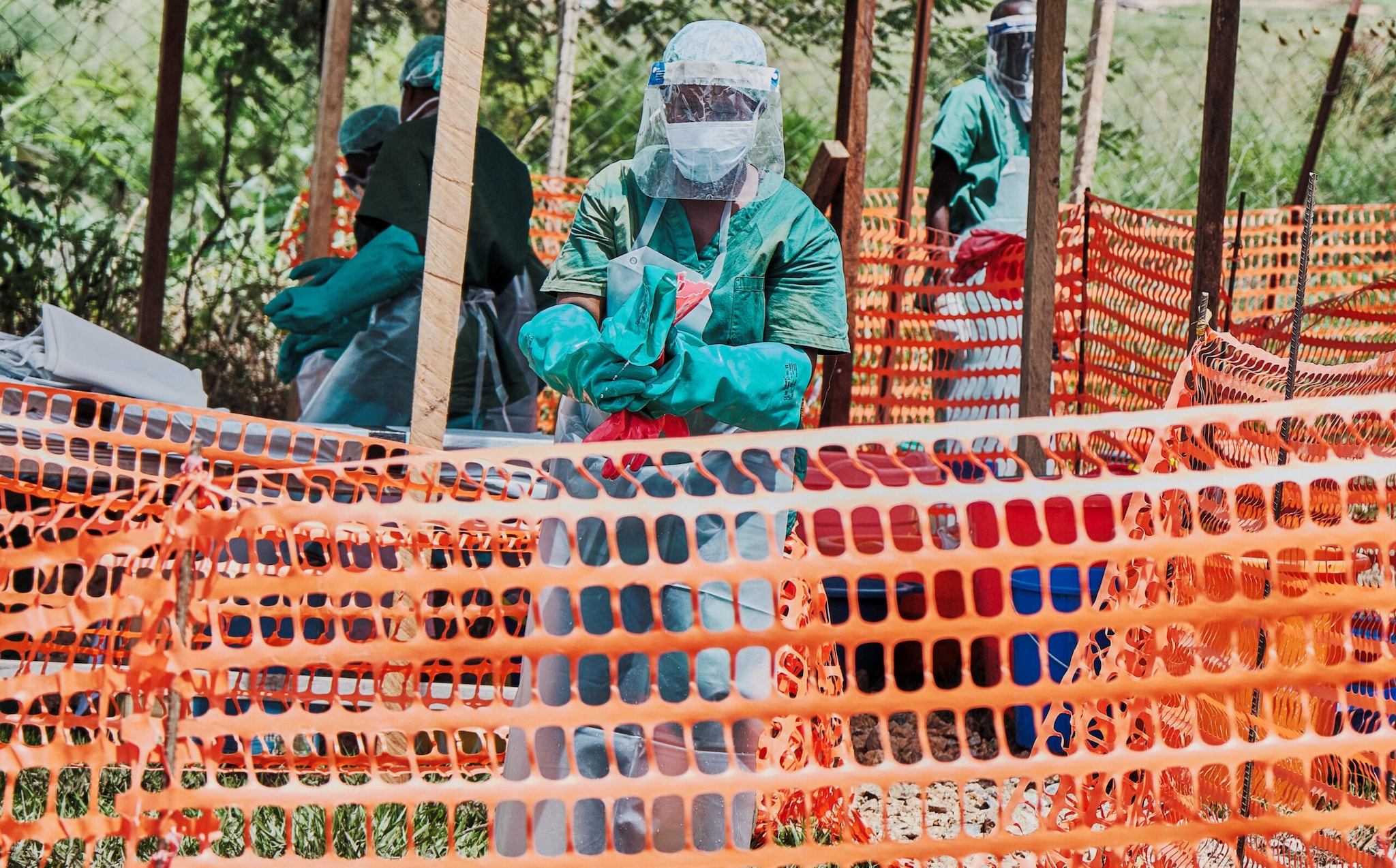
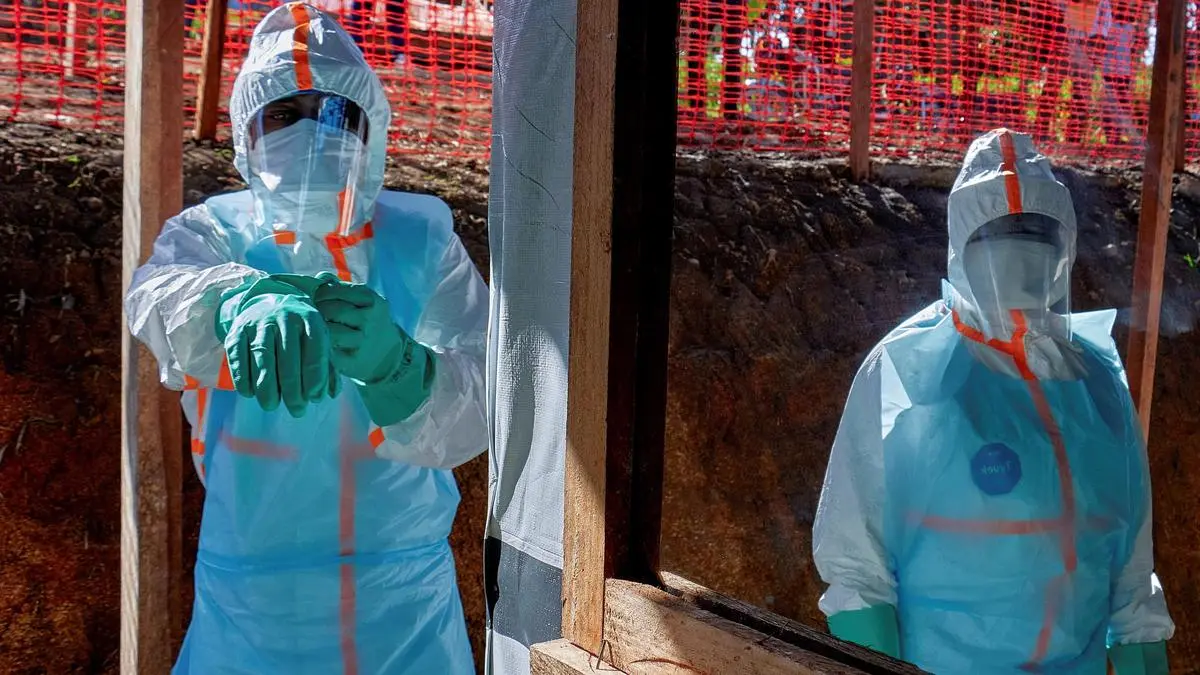
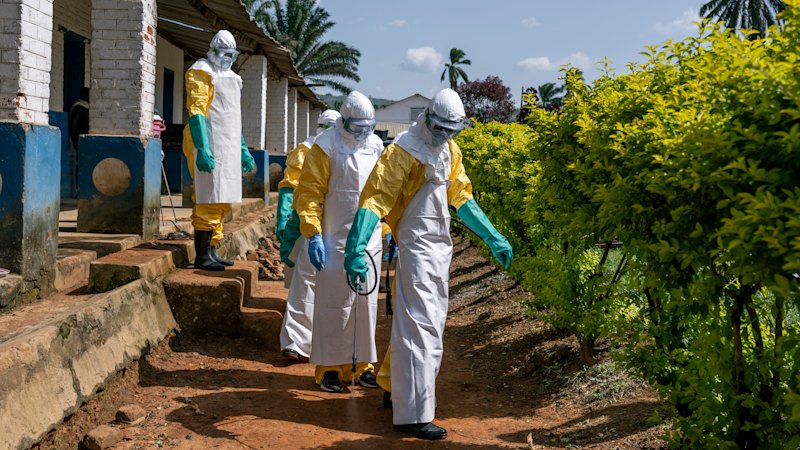
Third, specialized medical teams don personal protective equipment (PPE). We are talking full hazmat suits, double gloves, and respirators.
It looks terrifying on television. It feels like a movie prop. But it is just a routine defense mechanism against a known biological threat.
What Everyone Gets Wrong About Ebola Transmission
The public fear surrounding Ebola stems from a misunderstanding of how the virus moves. It is not Covid-19. It does not hang in the air of a crowded supermarket.
To contract Ebola, you need direct contact with the blood, secretions, organs, or other bodily fluids of an infected person who is already showing symptoms. You cannot catch it from someone who is incubating the virus and feeling fine.
This transmission model makes large-scale outbreaks in countries with modern sanitation incredibly unlikely. In past instances where infected travelers entered the United States or Europe, secondary transmission was almost entirely limited to healthcare workers who experienced breaches in their protective gear. Wide community spread simply did not happen.
Furthermore, our medical toolkit is vastly superior today compared to the devastating West African outbreak of 2014. We now have approved vaccines like Ervebo, which boasts high efficacy in preventing the disease. We also have monoclonal antibody treatments like Inmazeb and Ebanga that significantly reduce mortality rates if administered early.
Ebola is no longer an automatic death sentence. It is a highly manageable pathogen when caught early in a controlled clinical environment.
The Cost of Media Hyperbole in Public Health
Every time a headline reads "Brazil monitors patients for Ebola," public trust erodes a little more when nothing happens. It creates a boy-who-cried-wolf scenario.
When a real health crisis emerges, people are too exhausted by false alarms to pay attention. Media outlets need to stop treating routine public health surveillance as a breaking news thriller.
Health monitoring is administrative work. It involves forms, lab assays, and patient interviews. It is boring. It is methodical. Transforming that administrative process into clickbait creates unnecessary economic anxiety, disrupts tourism, and fuels xenophobia against travelers from African nations.
How to Track This Situation Without the Panic
If you want to know what is actually happening with the cases in Brazil, stop refreshing social media feeds. Look at the data sources that matter.
Check the official bulletins from the Brazilian Ministry of Health (Ministério da Saúde). They publish verified updates once lab results are confirmed.
Follow the Pan American Health Organization (PAHO) situation reports. They provide regional context without the sensationalized language.
Understand that an isolated patient is a sign of safety, not danger. When a system identifies a risk and isolates it immediately, the community is protected. The danger only arises when cases go unnoticed and unmonitored.
Keep an eye on the lab confirmation timeline. PCR testing for hemorrhagic fevers usually yields definitive results within 48 to 72 hours of sample receipt at reference laboratories. Until those specific numbers are released, everything else is just background noise. Turn off the notifications and let the scientists do their jobs.