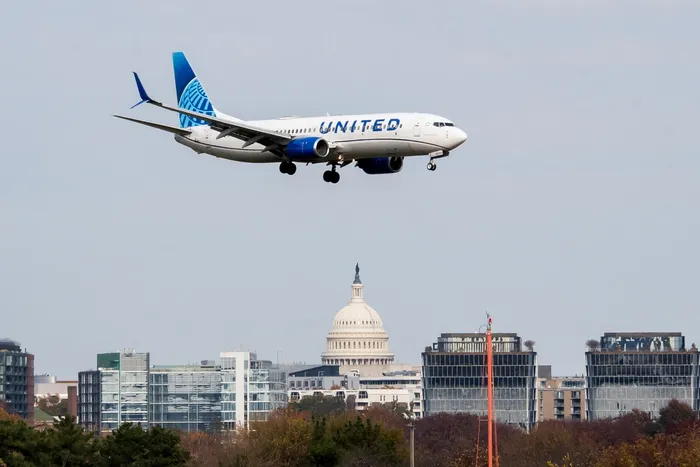
United Airlines recently signaled a potential 20 percent increase in ticket prices, citing the volatile surge in jet fuel costs as the primary catalyst. For the average traveler, this isn’t just a rounding error; it is a fundamental shift in the cost of mobility. While the carrier points toward external market pressures, the reality of the situation involves a complex web of corporate hedging strategies, aging fleet mechanics, and a desperate grab for margin in a post-pandemic economy.
The immediate math is simple. Fuel represents roughly 25 to 30 percent of an airline's total operating expenses. When Brent crude or kerosene prices spike, that cost doesn't just sit on the balance sheet. It migrates directly to the consumer's credit card statement. However, blaming fuel alone overlooks the systemic vulnerabilities that United and its peers have allowed to fester for years.
Why Fuel Surges Hit United Harder Than Competitors
Not every airline reacts to oil volatility with the same level of aggression. United’s projected 20 percent hike suggests a lack of insulation against price swings. In the industry, we call this hedging. Some airlines pre-purchase fuel at fixed prices to guard against market shocks. United, following a trend seen among several major US legacy carriers, has historically been less aggressive with its hedging program compared to international rivals or specific low-cost players.
When you don't hedge, you are at the mercy of the spot market.
This exposure means that when refinery margins tighten or geopolitical tensions disrupt supply chains, United has no shield. They are forced to pass the buck. By signaling these hikes now, they are testing the "price elasticity" of their customer base. They want to see exactly how much pain a business traveler or a vacationing family can absorb before they stop booking.
The Hidden Cost of Fleet Composition
Fuel efficiency is the only long-term defense against rising energy costs. United is currently in the middle of a massive fleet renewal, but you cannot swap out hundreds of aircraft overnight.
- Older wide-body jets consume significantly more fuel per seat-mile than the latest generation of carbon-composite aircraft.
- Maintenance cycles on aging engines often lead to decreased fuel efficiency over time.
- Weight variables, including everything from heavy seat frames to outdated in-flight hardware, add to the burn rate.
If United were further along in its "United Next" plan—which involves bringing in hundreds of fuel-efficient Boeing and Airbus narrow-bodies—this 20 percent hike might have been a 5 percent adjustment. Instead, they are flying a bridge between the old world and the new, and the passengers are paying for the fuel burned by the past.
The Revenue Management Shell Game
Airlines do not just raise prices across the board by a flat percentage. That’s a myth. Instead, they use sophisticated algorithms to target specific routes where competition is low and demand is inelastic.
If you are flying from a United hub like Houston (IAH) or Newark (EWR) to a destination where United holds a near-monopoly on non-stop service, you will likely see the full 20 percent increase, or perhaps even more. Conversely, on highly competitive routes like NYC to Los Angeles, the hikes will be more subdued to avoid losing market share to Delta or JetBlue.
This is predatory pricing disguised as "macroeconomic necessity."
Labor and Infrastructure Pressures
While fuel is the headline, labor is the subtext. United recently negotiated record-breaking contracts with its pilots and flight attendants. These are essential costs for safety and operational stability, but they create a higher fixed-cost floor.
When fuel was cheap, the airline could absorb these labor increases without rattling the consumer. With fuel spiking, the "safety margin" in their profit-and-loss statement has evaporated. They aren't just raising prices to pay for gas; they are raising prices to ensure they can meet their new payroll obligations while still delivering the quarterly earnings Wall Street expects.
The Myth of the Fuel Surcharge
For years, the industry used "fuel surcharges" as a transparent way to show why prices were up. Today, these costs are baked into the base fare. This lack of transparency serves the airline well. It prevents consumers from demanding price drops when oil prices eventually retreat.
Historically, when fuel prices plummet, ticket prices rarely follow at the same velocity. This "sticky pricing" allows airlines to pocket the difference as pure profit during the down-cycles. By announcing a 20 percent hike now, United is setting a new baseline for the "cost of doing business" that likely won't disappear even if crude oil returns to stable levels.
Market Psychology and the Pre-emptive Strike
There is also a psychological element at play. By announcing these potential hikes through industry channels and earnings calls, United is practicing price signaling.
- It prepares the public for "sticker shock."
- It signals to competitors (American, Delta) that United is willing to lead the market upward.
- It encourages immediate bookings from fearful travelers trying to "lock in" current rates before the surge hits.
This creates a self-fulfilling prophecy of higher revenue. If the competition follows suit—and they usually do—the entire industry shifts its pricing floor upward, and the consumer loses their ability to shop around for a better deal.
Beyond the Pump: The Carbon Factor
We must also look at the creeping costs of Sustainable Aviation Fuel (SAF). United has been vocal about its commitment to green energy, but SAF currently costs three to four times more than traditional Jet A fuel.
As regulatory bodies, particularly in Europe and increasingly in the US, push for higher blends of sustainable fuels, the operating cost per flight increases. United is essentially asking its current passengers to subsidize the research and development of its future green fleet. This is an admirable environmental goal, but it is a brutal financial reality for the flyer who just wants to get home for the holidays.
The Regional Squeeze
The 20 percent hike will hit regional routes the hardest. Smaller jets, like the CRJ-550 or Embraer 175, have a higher cost-per-available-seat-mile (CASM). When fuel goes up, these flights become the first to lose profitability.
We are likely to see United not just raise prices, but cut frequencies to smaller "spoke" cities. This creates a double-hit for regional travelers: fewer options and much higher prices. It effectively turns air travel back into a luxury good for anyone not living in a major metropolitan hub.
Strategic Survival in a High-Fare Environment
To navigate this, travelers have to stop thinking like tourists and start thinking like analysts. The "Goldilocks window" for booking—traditionally 1 to 3 months out—is shrinking. As United aggressively manages its inventory to hit these new revenue targets, last-minute seats will become prohibitively expensive, likely exceeding the 20 percent mark significantly.
The era of cheap, fossil-fuel-subsidized travel is ending. United’s announcement is simply the first honest admission of that fact. The airline is betting that the public's desire to travel is now a "need" rather than a "want," making them willing to endure a massive hit to the wallet.
Check the tail numbers. Watch the crude indices. Understand that when the CEO mentions "fuel volatility," he is talking about your disposable income. The 20 percent hike isn't a possibility; it is an incoming reality for anyone flying a legacy carrier in the current climate. Use your miles now, because their value is being diluted by the gallon.