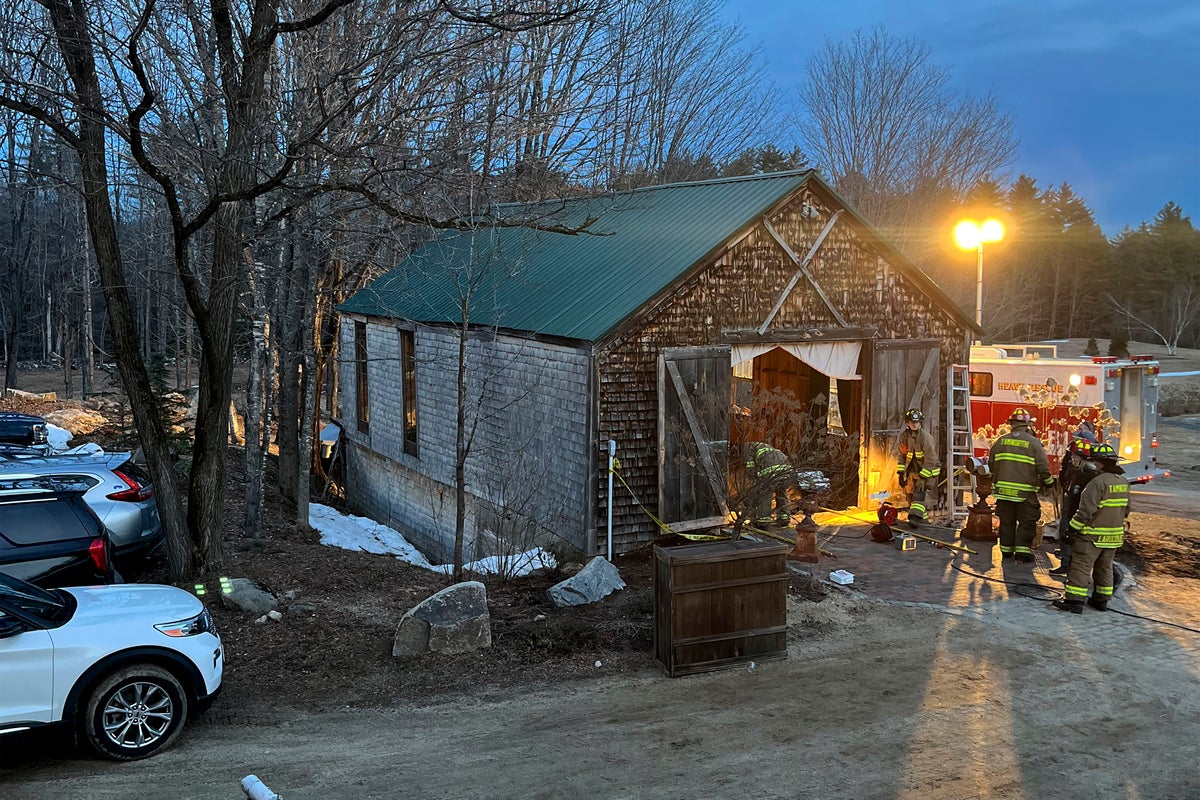
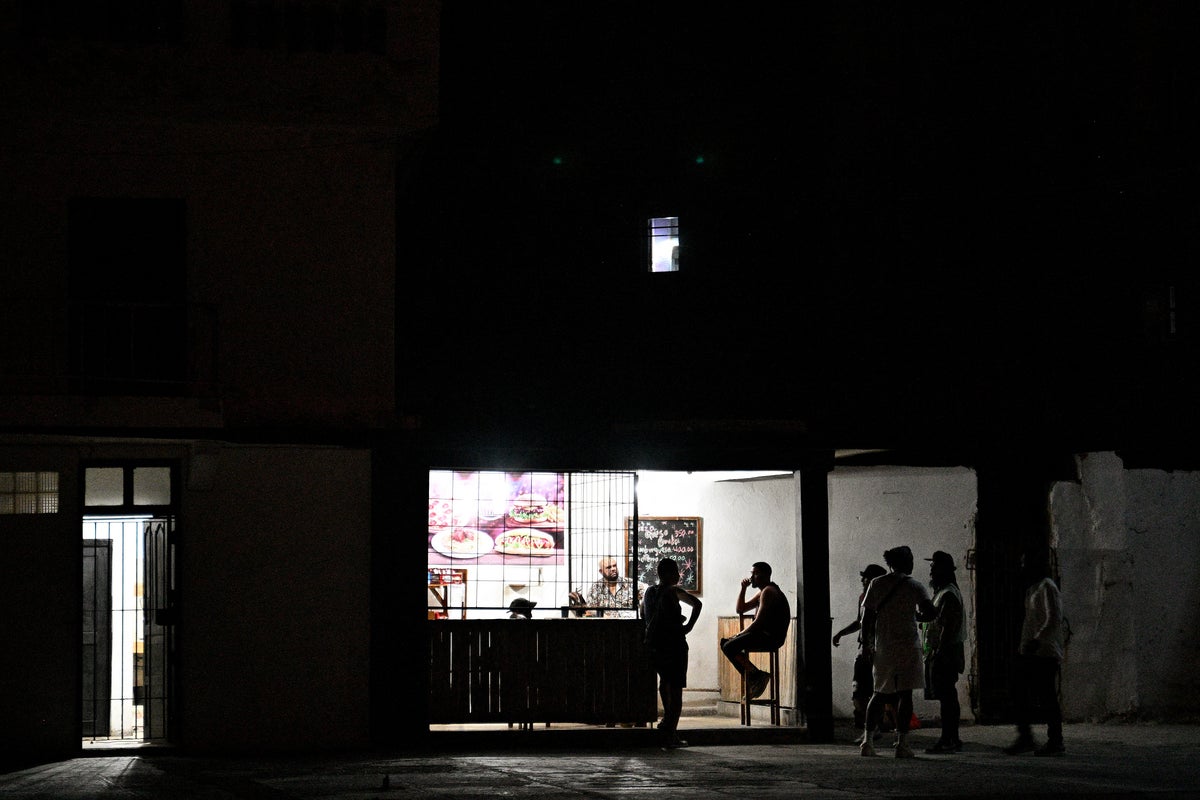
When a city block transforms into a graveyard of concrete and twisted rebar within seconds, the initial reports always follow a predictable script. There is the mention of a "suspected gas explosion," the frantic tally of the missing, and the heroic imagery of first responders clawing through dust. But as the smoke clears, the conversation usually stops at the tragedy itself. This surface-level reporting ignores the terrifying reality of aging urban infrastructure and the physics of confined space explosions that make these events not just possible, but inevitable.
An explosion in a residential or commercial building is rarely a freak accident. It is the final, violent link in a chain of mechanical failures, neglected sensors, and atmospheric chemistry. When natural gas—primarily methane—leaks into a confined space, it does not immediately ignite. Instead, it waits. It fills the voids between walls, the spaces under floorboards, and the shafts of elevators. For an explosion to occur, the gas-to-air ratio must fall within a specific window known as the Explosive Range. For methane, this is roughly 5% to 15% concentration in the air.
If the concentration is too low, there isn't enough fuel to sustain a flame. If it is too high, there isn't enough oxygen to support combustion. But when that "sweet spot" is hit, a single spark from a refrigerator compressor or a light switch transforms a building into a high-pressure bomb.
The Invisible Decay of Municipal Arteries
The ground beneath our feet is a labyrinth of cast iron, ductile iron, and bare steel. In many major cities, the pipes carrying pressurized gas to homes were laid down over half a century ago. These materials are subject to "graphitization," a process where the iron matrix leaches away, leaving a brittle carbon structure that looks intact but possesses the structural integrity of a pencil lead.
Soil shift is the silent killer here. As seasons change, the earth expands and contracts. A cast-iron pipe that survived the Korean War can snap like a dry twig under the pressure of a slight frost heave or the vibration of heavy surface traffic. Once a main breaks, the gas doesn't always rise to the surface. Depending on the soil density and the presence of pavement, the gas can migrate horizontally, following the path of least resistance. This often leads it directly into the basements of nearby buildings through service entries or foundation cracks.
By the time a resident smells the mercaptan—the sulfur-like odorant added to naturally odorless gas—the concentration might already be approaching the lower explosive limit. In many recent "sudden" collapses, the leak did not originate inside the building that fell. The building was simply the container that caught the wandering fuel.
Why Rescuers Battle the Clock and the Rubble
The physics of a collapse caused by an internal explosion differs fundamentally from a collapse caused by an earthquake or structural fatigue. In an earthquake, the movement is lateral; buildings are designed to sway, and they fail when that sway exceeds the material limits. In an explosion, the force is an "overpressure" event.
The pressure wave hits the walls and ceilings simultaneously. It pushes the walls outward, removing the vertical supports that hold up the floors above. This creates a "pancake collapse." The floors stack directly on top of one another, leaving very few of the "void spaces" that rescuers look for when hunting for survivors.
- Primary Blast Injury: Damage caused directly by the pressure wave, often affecting lungs and ears.
- Secondary Blast Injury: Damage from flying debris and "shrapnel" created by the building's own materials.
- Tertiary Blast Injury: Damage caused by the victim being physically thrown by the blast wind.
When rescuers arrive, they aren't just fighting the clock; they are fighting a secondary threat of fire. Ruptured gas lines often continue to bleed fuel into the debris pile. A heavy tool striking a piece of flint-rich concrete can trigger a second blast, burying the rescuers alongside the original victims. This is why progress is agonizingly slow. It is not a lack of will; it is a necessity of survival in a volatile environment.
The Failure of Modern Detection Systems
We live in an era of smart homes and connected devices, yet the most common defense against a catastrophic gas leak is still the human nose. This is a massive systemic failure. While smoke detectors are mandated by law in almost every jurisdiction, combustible gas detectors are frequently optional or entirely absent from building codes.
Industrial-grade sensors exist that can detect methane at parts-per-million levels long before it reaches the 5% explosive threshold. However, the cost of retrofitting older low-income housing or sprawling commercial complexes is often cited as a barrier. This creates a "safety gap" where the inhabitants of older, less-maintained structures are at a significantly higher risk of experiencing a catastrophic event than those in new construction.
Furthermore, the odorant mercaptan is not foolproof. A phenomenon known as "odor fade" can occur. As gas passes through certain types of soil or new steel pipe, the chemical odorant can be stripped away through adsorption or oxidation. The gas remains explosive, but it becomes undetectable to the people living right on top of it. Relying on a smell-based early warning system in 2026 is like relying on a canary in a coal mine while having the technology to build a digital air-quality monitor.
Hard Truths About Urban Density
The more we crowd our living spaces, the higher the stakes for every single mechanical failure. In a high-density urban environment, a single gas leak in a basement laundromat doesn't just threaten one business; it threatens the structural integrity of the entire block.
When a building collapses, it often takes out the lateral support for the buildings flanking it. Architects call this "progressive collapse." If the middle building in a row of brownstones disappears, the shared walls of the neighboring units are suddenly forced to handle loads they were never designed for. The "sudden" nature of these collapses is often a result of this domino effect.
We also have to contend with the reality of "utility interference." As cities bury more fiber-optic cables, water mains, and electrical conduits, the space beneath the street becomes crowded. "Cross-bores"—where a new utility line is accidentally drilled directly through an existing gas line—are a hidden menace. A cross-bore can remain dormant for years until a blockage occurs and a plumber sends a mechanical "snake" down the line, puncturing the gas pipe and flooding the sewer system with explosive vapor.
Breaking the Cycle of Reactivity
Regulatory bodies usually respond to these disasters with a flurry of inspections that last for six months before the public's attention shifts elsewhere. This reactive posture is the reason the "reconstruction" of these events feels like a recurring nightmare.
Real safety requires a shift toward proactive acoustic monitoring and permanent gas detection arrays tied directly to automated shut-off valves. If a sensor detects a rise in methane, the gas flow to that entire sector should be severed instantly, without waiting for a human to call 911.
The technology to prevent these "sudden" tragedies has been available for decades. The reason we still see rescuers digging through rubble is not a lack of science, but a lack of investment in the invisible parts of our cities. We prefer to spend on the facade while the foundation rots.
Check the age of the service lines in your own building. If they are cast iron and there is no digital methane detector in the basement, you are living inside a statistical inevitability. Demand a professional pressure test of the lines, not just a visual inspection.