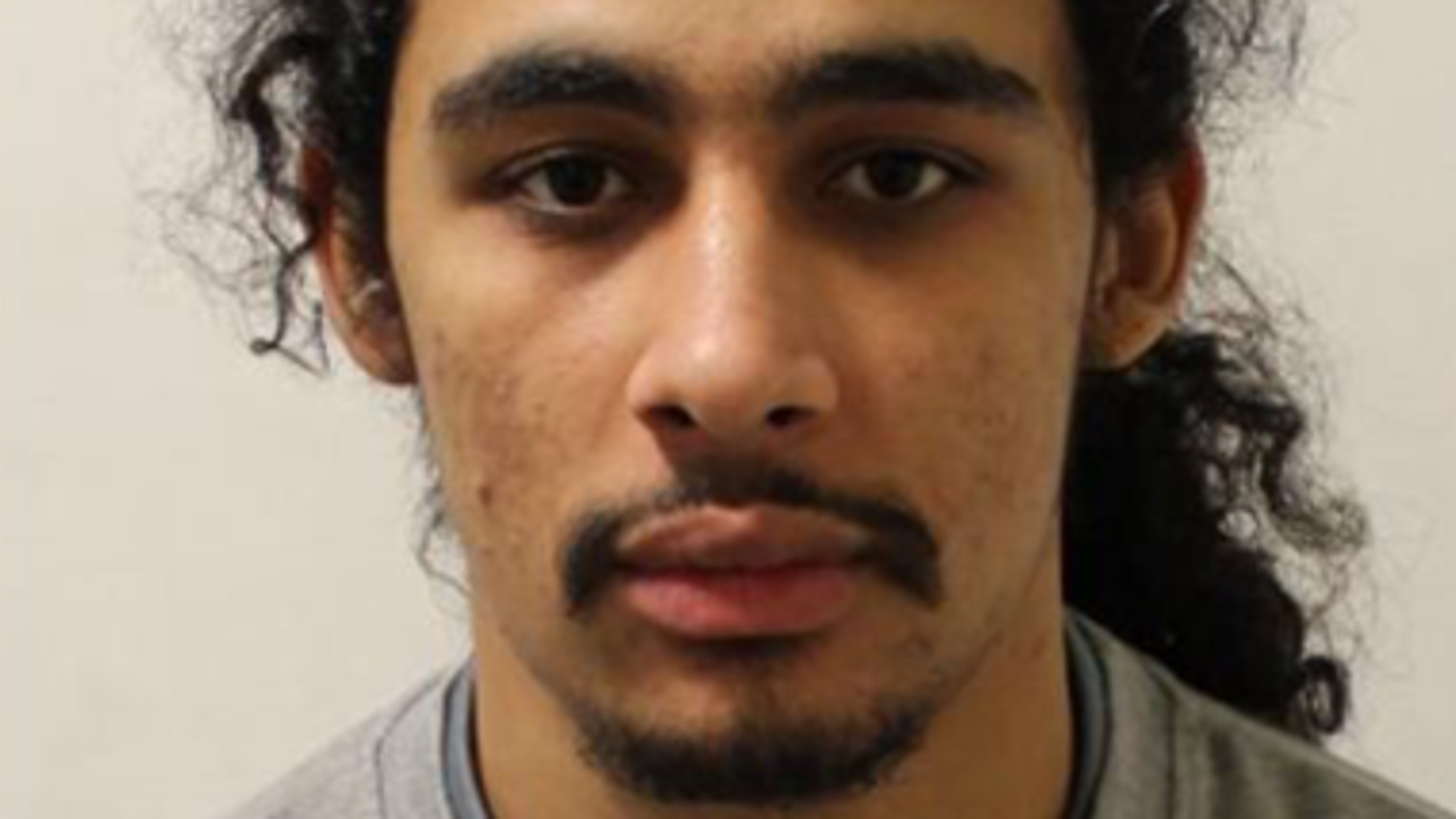
A Florida courtroom finalized the tragic reality of a cycle that American law enforcement routinely fails to disrupt before it turns lethal. Steven Dodson Jr., 21, was sentenced to life in prison without the possibility of parole after pleading guilty to the first-degree murder of two-year-old Ahmari Robinson. The toddler was shot in the head at a Jacksonville apartment complex during a domestic dispute. Dodson fired directly at a woman who was holding the young boy in her arms. The state secured a conviction, but the outcome exposes a grim reality about how systemic failure and domestic aggression collide in public spaces.
The murder did not happen in a vacuum. It was the predictable endpoint of escalating domestic hostility paired with a complete breakdown in community supervision.
The Paper Trail of Unchecked Aggression
The justice system frequently treats domestic battery as an isolated misdemeanor rather than a progressive violent behavior pattern. Court records indicate that Dodson had built a substantial criminal history over the three years leading up to the murder, including charges for strong-arm robbery and domestic battery.
A central failure in managing high-risk offenders is the reliance on pieces of paper to deter physical violence. Protective orders and pretrial bond conditions dictate that a defendant must maintain zero contact with victims or witnesses. They are routinely issued but rarely enforced with the active surveillance required to stop an individual intent on retaliation. When a domestic dispute escalates to the point of a firearm being drawn in a communal residential courtyard, the breakdown of judicial deterrents is complete.
The tracking of Repeat Domestic Offenders (RDO) often falls through administrative cracks. In a standard mid-sized American municipality, a single domestic violence detective may juggle dozens of active files simultaneously. The lack of proactive, tech-enabled monitoring or dedicated multi-agency task forces means individuals with violent records walk freely until an argument boils over into local neighborhoods.
Projectiles Do Not Discriminate
The specific physics of the Jacksonville shooting highlights a legal and tactical concept known as transferred intent. When an individual discharges a firearm at an intended adult target but strikes a bystander instead, the law holds the shooter fully liable for the resulting death. Dodson fired a handgun at close range toward a woman with whom he was romantically involved. He missed his target. The round struck the two-year-old child she was holding.
This dynamic challenges the common public narrative surrounding urban gun violence. It is often structurally categorized by regional media as spillover from gang rivalries or random street crime. The data presents a completely different landscape. Intimate partner violence involving a firearm frequently spills over into shared community areas, transforming parking lots, playgrounds, and apartment breezeways into active firing zones. The casualties of these encounters are overwhelmingly children and family members who have no direct part in the initial conflict.
The weapon used in the assault was quickly disposed of in a nearby commercial dumpster, a sequence captured on local property surveillance video. The quick transition from active shooter to a fleeing suspect highlights the casual availability of illegal or unmonitored handguns in metropolitan areas. Dodson was a convicted felon, meaning his possession of a firearm was entirely illegal under both state and federal statutes. The existing background check framework did absolutely nothing to keep a weapon out of his hands.
The Fractured Aftermath of Courtyard Shootings
When a homicide occurs in a multi-family residential complex, the trauma spreads well beyond the immediate victim’s family line. Neighborhood spaces that once served as communal recreation zones turn into crime scenes, altering the psychology of the entire environment.
+--------------------------------------------------------+
|             THE ESCALATION LIFECYCLE                   |
+--------------------------------------------------------+
|  Prior Arrests (Domestic Battery, Robbery)             |
|                        │                               |
|                        ▼                               |
|  Unmonitored Release / Lack of Supervision             |
|                        │                               |
|                        ▼                               |
|  Acquisition of Illegal Firearm (Felon in Possession)  |
|                        │                               |
|                        ▼                               |
|  Domestic Dispute Spills Into Public Space             |
|                        │                               |
|                        ▼                               |
|  FATAL OUTCOME: Transferred Intent Homicide            |
+--------------------------------------------------------+
Family members of the victim reported facing secondary harassment via digital channels and fake profiles following the incident. This phenomenon is a rising trend in high-profile local crimes. Online platforms lack the moderation capacity to shield grieving families from digital harassment, leaving victims to process profound loss while actively managing threats to their safety.
The judicial resolution of this case happened unusually fast. A Duval County grand jury handed down an indictment, and Dodson quickly reversed his initial not-guilty plea to accept a life sentence. This shift spared the family the prolonged trauma of a public trial, but it does not fix the structural lapses that preceded the initial emergency call. The state managed to punish the offender after the fact, but it completely failed to protect the child.
Securing convictions after a tragedy is straightforward when physical evidence and eye-witness accounts line up perfectly. The hard part is building an integrated criminal justice framework that tracks early domestic battery cases with the intensity reserved for major felonies. Until municipalities change how they manage violent offenders before they pull a trigger, playgrounds and residential courtyards will remain dangerous grounds for the most vulnerable citizens.