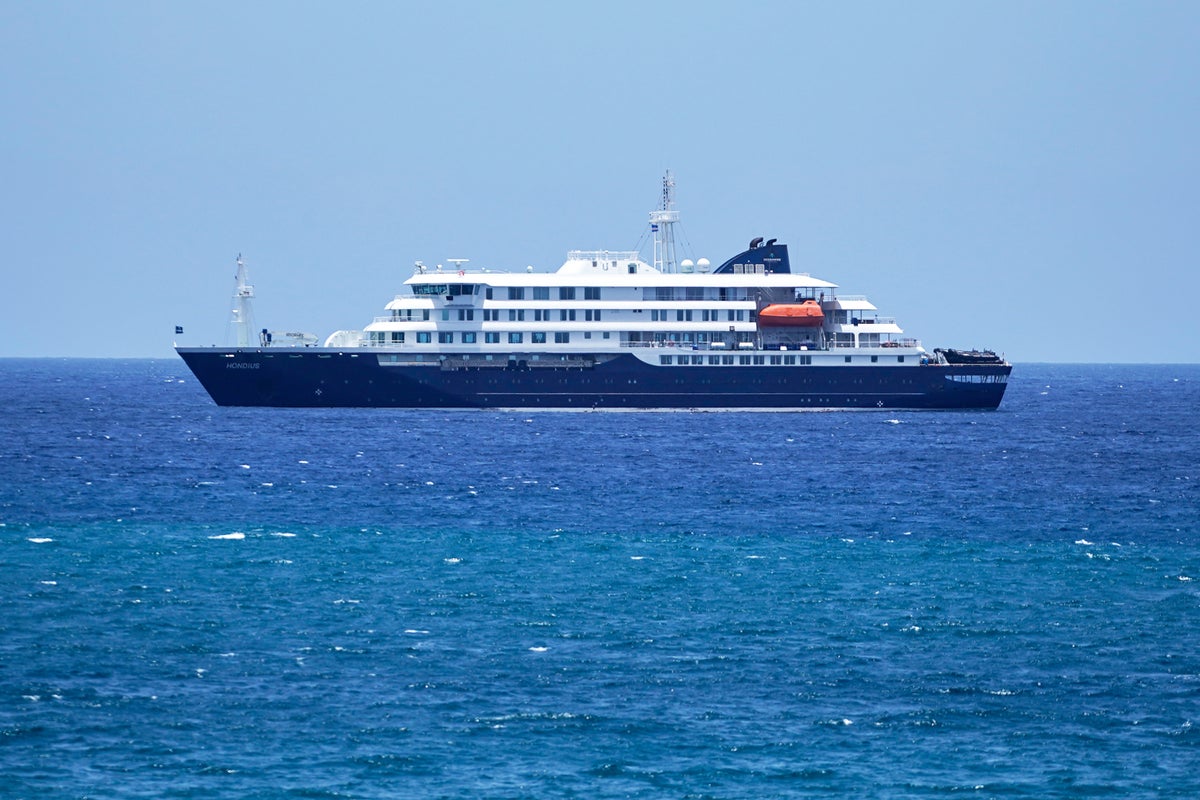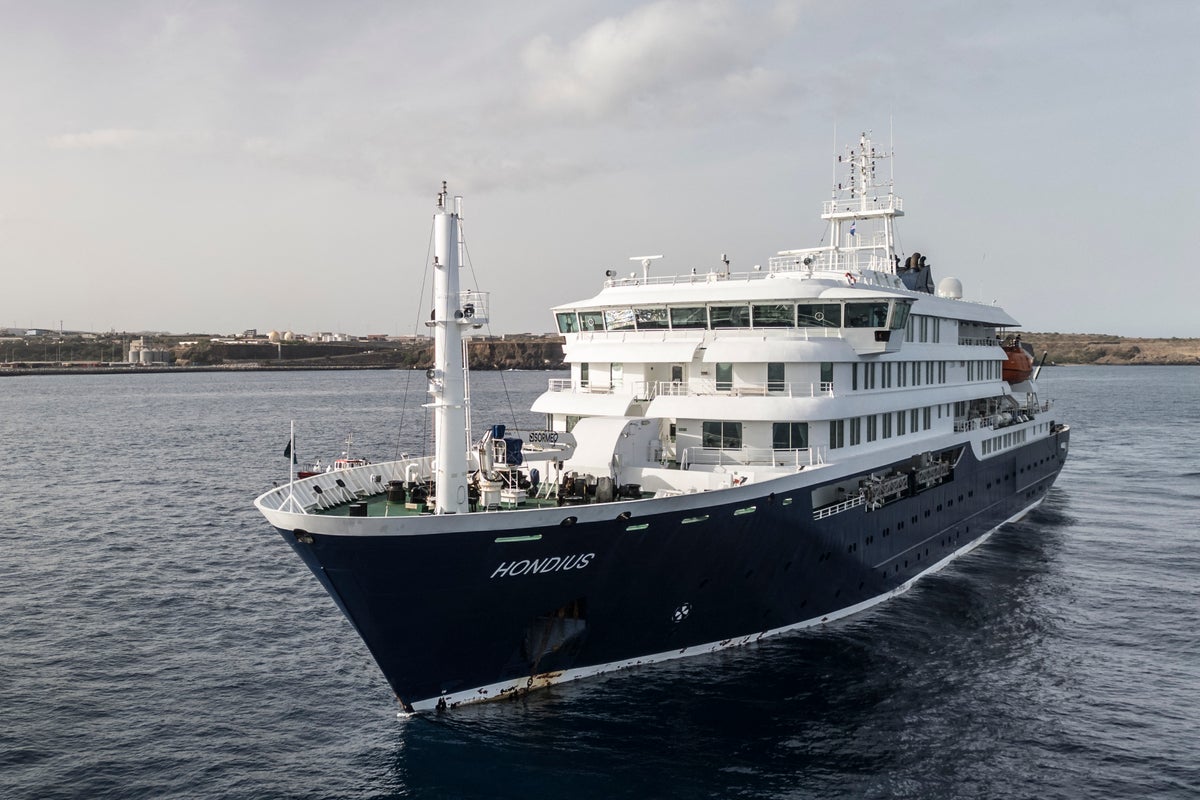
When news broke that a luxury cruise ship was linked to a potential Hantavirus outbreak, the industry’s standard crisis management machine shifted into high gear. While public health officials scrambled to trace contacts, a familiar phenomenon emerged on social media: the high-profile travel influencer jumping to the vessel’s defense. These narratives often claim that the ship is a paragon of cleanliness and that biosecurity measures are impenetrable. However, the reality of maritime hygiene is far more complex than a polished Instagram story suggests. A single traveler’s anecdotal experience of a "clean ship" cannot override the biological realities of how viruses enter closed environments or the structural challenges of maintaining a sterile city at sea.
Hantavirus is not a typical cruise ship guest. Unlike norovirus, which spreads through contaminated food or person-to-person contact, Hantavirus is generally associated with rodent droppings, urine, or saliva. In the context of a multi-million dollar vessel, the suggestion of a rodent-borne illness is a branding nightmare. It strikes at the heart of the "luxury" promise. The industry’s defense hinges on the idea that modern ships are airtight fortresses. They aren’t.
The Myth of the Sterile Vessel
The primary argument used by defenders of the industry is the presence of "strong biosecurity." On paper, these protocols are impressive. Ships undergo rigorous inspections, implement advanced HVAC filtration, and employ cleaning crews that work around the clock. But the maritime environment is inherently porous. Ships spend months at sea, but they also dock in diverse ports, take on massive quantities of regional supplies, and host thousands of people moving between land and sea daily.
Biosecurity is a process, not a permanent state. A ship can be scrubbed until it shines, but a single pallet of dry goods from a port warehouse can introduce pests or pathogens that bypass the most visible cleaning routines. When a travel blogger points to a hand-sanitizing station or a sparkling buffet line as proof of safety, they are looking at the theater of hygiene rather than the mechanics of it. Real biosecurity happens in the ballast tanks, the cargo holds, and the intricate ductwork—areas a passenger never sees and a social media post never captures.
Why Influencer Defense Units Fall Short
The speed at which travel personalities rush to defend a brand during a health crisis is rarely accidental. There is a symbiotic relationship between cruise lines and content creators. This creates a conflict of interest that complicates the public's ability to get clear information. When an influencer says a ship is "clean," they are usually describing the aesthetic of the ship.
Cleanliness is visible; sanitation is microscopic. A room can smell like bleach and look immaculate while still harboring vectors for disease in the ventilation system or behind the wall panels. By focusing on the surface-level appearance, these defenders provide a false sense of security that can actually hinder public health efforts. If passengers believe the ship is "too clean" to be dangerous, they may ignore early symptoms of illness, thinking they just have a common cold or sea sickness. This delay in reporting is where localized incidents turn into full-blown outbreaks.
The Logistics of Rodent Control at Sea
If Hantavirus is the subject, rodents are the conversation. Admitting to a rodent problem is the ultimate taboo for a cruise line. It signals a failure of the basic promise of a controlled environment. Yet, the history of shipping is a history of stowaways.
Modern cruise ships use sophisticated pest management systems, including ultrasonic deterrents and chemical barriers. However, the sheer scale of these vessels makes total eradication a moving target. A massive ship has miles of wiring, plumbing, and interstitial spaces that provide perfect conduits for small animals.
- Port Vulnerability: Every time a ship docks, it is vulnerable. Ropes and gangways are the bridges. While "rat guards" are a standard requirement on mooring lines, they are not infallible.
- Supply Chain Infiltration: Thousands of boxes of fresh produce, linens, and spare parts are loaded weekly. A single nest in a crate of pineapples can breach the "fortress" in minutes.
- Human Error: Biosecurity relies on low-wage staff following grueling protocols. In a high-turnover industry, the gap between the manual and the execution can be wide.
The "strong biosecurity" touted by industry defenders assumes that these three vulnerabilities are permanently sealed. They aren't. They are managed risks. An investigative look at maritime health reports often reveals that even the most "decorated" ships have occasionally failed sanitation inspections due to evidence of pests.
The Economic Pressure to Maintain the Narrative
The cruise industry is built on the management of perception. A ship that is perceived as "sick" is a financial liability that can cost a company tens of millions in lost bookings and lawsuits. This is why the narrative is so tightly controlled. When a health event occurs, the goal is to isolate the incident and maintain the "business as usual" atmosphere for the rest of the passengers.
This creates a tension between corporate transparency and corporate survival. Public health agencies, such as the CDC or international equivalents, require reporting of certain illness thresholds. But by the time a report becomes public, the marketing department has often already deployed its counter-narrative through third-party voices. These voices are more effective than a corporate press release because they appear "authentic."
The Danger of Dismissing Health Alerts
When a traveler defends a ship struck by a serious pathogen, they aren't just protecting a brand; they are potentially endangering the public. Hantavirus Pulmonary Syndrome (HPS) is a severe respiratory disease with a high mortality rate. It is not something to be hand-waved away by a blogger with a camera.
The industry’s defense often focuses on the rarity of the event. They argue that because millions of people cruise every year without getting Hantavirus, the current ship must be safe. This is a logical fallacy. Safety is not a cumulative score; it is a per-voyage reality. The fact that the ship was clean last week doesn't mean it isn't compromised today.
How Modern Ships Actually Handle Outbreaks
Behind the scenes, the response to a pathogen like Hantavirus is far more clinical and aggressive than the public is led to believe. It involves deep-tissue cleaning of the ship's infrastructure.
- Zonal Isolation: Crews often seal off specific sections of the ship, moving passengers under the guise of "upgrades" or "maintenance" to prevent panic.
- HEPA Overhauls: In cases of airborne or dust-borne pathogens, the filtration systems must be serviced.
- Trace Investigations: The company must work with port authorities to identify where the contamination originated. This is often done quietly to avoid damaging relationships with port cities or suppliers.
None of this is "clean" in the way a luxury traveler understands it. It is a grueling, industrial process of decontamination.
The Gap Between PR and Public Health
The core issue isn't whether one specific ship has a cleaning crew. The issue is the systemic refusal to acknowledge that luxury environments are not immune to biological hazards. The defense offered by influencers often ignores the "why" and "how." They don't ask how the virus got there. They don't ask why the initial screening failed. They simply point to the current cleanliness as a shield against the past failure.
A truly defensive biosecurity posture would involve admitting when the system fails and explaining the specific, technical steps taken to fix it. Instead, the public gets a "nothing to see here" approach. This lack of transparency is what breeds conspiracy theories and long-term brand damage.
If a ship is struck by a virus, the most "pro-travel" thing a person can do is demand a rigorous, transparent investigation. Defending a ship before the health data is in isn't being a loyal fan; it's being a PR pawn. The passengers who were actually exposed deserve better than a narrative that prioritizes the ship’s reputation over their physical safety.
True industry analysis requires looking past the buffet and the polished brass. It requires acknowledging that a cruise ship is a massive, complex machine operating in a world full of biological variables. No amount of social media defense can change the fact that pathogens don't care about a ship’s five-star rating.
Don't look at the sanitizing stations. Ask to see the port-of-entry inspection logs for the cargo. That is where the real story of a ship's health is written.