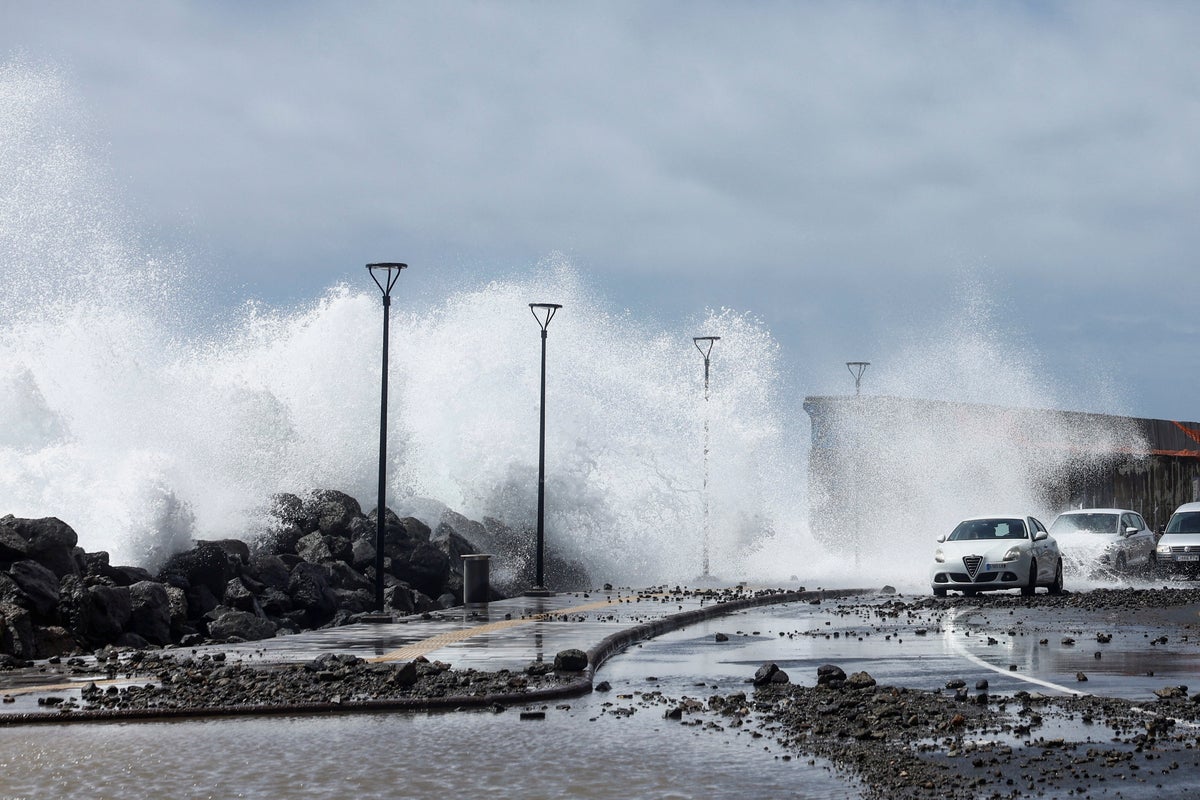
The recent deluge that paralyzed the Canary Islands was not just a freak act of nature. While headlines scream about the "worst storm in a decade," that narrative conveniently ignores a decades-long pattern of poor urban planning, aging drainage systems, and a tourism-first mentality that has left the archipelago defenseless against predictable Atlantic weather patterns. The flooding and subsequent evacuations across Tenerife and Gran Canaria were the inevitable results of concrete sprawling over natural water paths. When a decade's worth of rain falls in a matter of hours, the island's geography doesn't fail; the human engineering on top of it does.
Travelers and residents were caught in a chaotic squeeze as roads transformed into rivers and emergency services struggled to reach isolated villages. But to understand why this keeps happening, we have to look past the rain gauges and into the structural guts of the islands themselves.
The Anatomy of an Avoidable Disaster
Meteorologists warned of the low-pressure system moving in from the Atlantic, yet the scale of the damage suggests a total lack of readiness. In many coastal tourist hubs, the primary drainage systems date back to the 1970s and 80s—a period defined by rapid, often unregulated construction aimed at maximizing hotel capacity. These systems were never designed to handle the volume of water generated by modern atmospheric rivers.
The problem is fundamental. The Canary Islands are volcanic, meaning their natural topography consists of steep "barrancos" or ravines. These are nature's drainage pipes. For centuries, they moved rainwater from the peaks to the sea with brutal efficiency. However, in the rush to build luxury resorts and shopping centers, developers paved over these ravines or narrowed them significantly. When the skies opened last week, the water followed its ancient path, only to find apartments and parking garages in the way.
The water had nowhere else to go. It collected in the low-lying streets, gaining speed and mass until it became a force capable of tossing cars like toys. This isn't just a weather event; it is an engineering debt coming due.
Why the Tourism Model Aggravates the Risk
The Canary Islands economy relies almost entirely on the sun. This dependence creates a psychological blind spot toward the rain. Local municipalities prioritize "beautification" projects—new promenades, artificial beaches, and plazas—over invisible, subterranean infrastructure like high-capacity storm drains or permeable pavement.
The Hidden Cost of Concrete
Every square meter of non-porous concrete added to the islands increases the "runoff coefficient." In a natural environment, the soil absorbs a portion of the rainfall. In a city like Santa Cruz or Las Palmas, the absorption rate is near zero. The result is a surge of water that hits the drainage system all at once, rather than over several hours.
- Tenerife North: Experienced the highest volume of evacuations as mudslides blocked critical arteries.
- Gran Canaria: Coastal flooding destroyed small businesses that lacked flood insurance, a common oversight in a "desert" climate.
- Lanzarote: Though less affected by rain, the wind speeds caused power grid failures that exposed the fragility of the island's energy independence.
Local government officials often point to the rarity of these events to justify their budget choices. They argue that spending millions on massive storm sewers that only get used once every five or ten years is a waste of taxpayer money. This logic is failing. As Atlantic storm tracks shift, these "once in a decade" events are becoming more frequent. The cost of emergency response, property damage, and the blow to the islands' reputation as a safe year-round destination far exceeds the price of a pipe.
The Evacuation Bottleneck
When the order to evacuate came, the islands' road networks choked. This is a recurring nightmare for the Canaries. Most of the major islands rely on a single circular highway that hugs the coast. If a section of the TF-5 or GC-1 is washed out or blocked by a landslide, the entire island is effectively severed in two.
During the height of the storm, thousands of tourists were stuck in their rentals or hotels with no clear communication from local authorities. The warning systems, often broadcast in Spanish only or through localized sirens, didn't reach the digital-first international crowd. We saw a breakdown in the chain of command, where local police were overwhelmed by the sheer volume of "micro-emergencies"—trapped elevators, flooded basements, and stalled vehicles—leaving the broader evacuation effort disorganized.
The False Promise of Rapid Recovery
As the water recedes, the official narrative shifts quickly to "business as usual." The debris is cleared, the mud is hosed off the boardwalks, and the hotels reopen their doors. This speed is impressive, but it’s a cosmetic fix. It masks the reality that the underlying vulnerabilities remain exactly as they were before the first drop of rain fell.
Insurance companies are beginning to take note. In other high-risk zones, premiums have skyrocketed or coverage has been withdrawn entirely. The Canary Islands are not there yet, but if the regional government doesn't mandate a massive overhaul of the drainage and coastal defense systems, the financial sector may force their hand.
Overlooked Environmental Factors
Beyond the urban centers, the highlands of the islands are suffering from a different kind of neglect. Deforestation and the abandonment of traditional terraced farming have left the slopes unstable. Without the root systems of native pines or the stone walls of old farms to hold the earth, the rain triggers massive soil erosion. This silt flows down into the cities, clogging what little drainage exists and turning clear water into a thick, destructive slurry.
The "worst storm in a decade" is a convenient label. It suggests that the weather was the primary actor and the humans were merely victims. A more accurate description would be "the inevitable overflow of a neglected system."
Rebuilding With Reality in Mind
If the Canary Islands want to maintain their status as a premier global destination, they must stop building as if it never rains. This starts with a moratorium on construction in or near identified "barranco" zones. It requires the immediate integration of "sponge city" concepts—installing green roofs, rain gardens, and permeable basins that can hold water and release it slowly.
Furthermore, the emergency communication infrastructure needs a total overhaul. Relying on a 20th-century warning system in a 21st-century travel hub is a recipe for high-casualty events. Multilingual, GPS-targeted alerts should be the standard for every person on the islands, whether they are a permanent resident or a weekend visitor.
The next storm is already forming somewhere in the mid-Atlantic. It doesn't care about tourism quotas or municipal budgets. It will follow the same gravity-driven paths as the one that just passed. The only question is whether the islands will have cleared those paths or if they will continue to pretend that concrete is a match for the ocean.
Check the topography of your destination before booking your next stay; if your hotel is at the bottom of a ravine, no amount of luxury can protect you from the next "unprecedented" event.

.jpeg?width=1200&auto=webp&trim=64%2C0%2C335%2C0)