Walking through an international airport car park with millions of dollars in your backpack sounds like a scene from a movie. For a 36-year-old mule in Hong Kong, it became a brutal reality. Early Thursday morning, June 18, 2026, a man surnamed Wu stepped off a flight from Bali, hauled a black backpack containing six kilograms of gold bars worth HK$7 million ($893,200), and walked straight into an ambush.
Three masked men jumped him at the Hong Kong International Airport's Car Park 3. They didn't just threaten him. They slashed his thighs and left forearm with knives, snatched the backpack, and tore off in a getaway van.
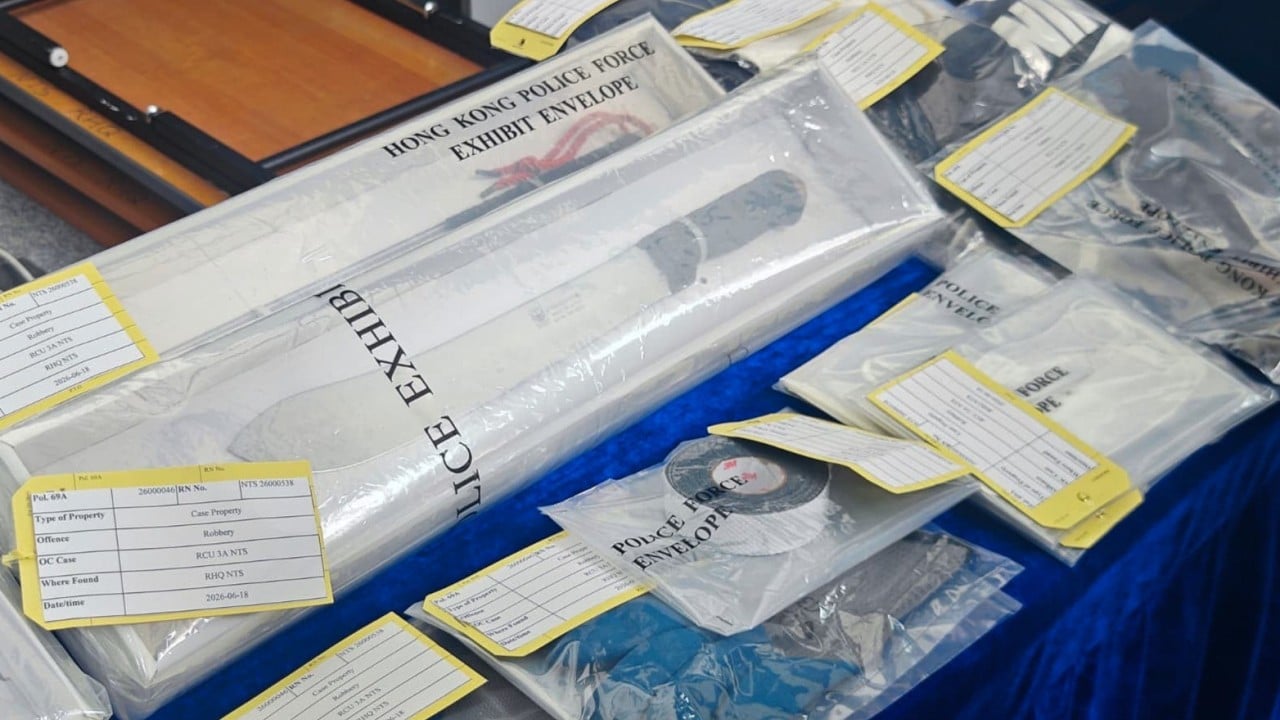
The Hong Kong Police Force moved fast. Within 12 hours, they rounded up seven local suspects—four men and three women aged 20 to 39. Some have deep triad ties. Investigators tracked down the getaway vehicle and the knives in Tsuen Wan. But there's a massive problem. The gold is still missing, some suspects have already crossed into mainland China, and the entire setup exposes a glaring, dangerous flaw in how high-value assets move across borders.
The Myth Of The Random Airport Heist
You might think this was a random crime of opportunity. It wasn't. The attackers didn't happen to spot a heavy backpack and guess it held bullion.
Senior Superintendent Iu Wing-kan made it plain: the criminals had precise details. They knew Wu’s flight. They knew his itinerary. They even knew exactly where he planned to park his car.
An insider set this up. Police strongly believe the mastermind or informant is someone familiar with the victim. When you look at the economics of moving gold, this makes perfect sense. Wu wasn't transporting his own wealth. A mainland Chinese businessman hired him to fly to Bali, collect the six one-kilogram ingots from an Indonesian contact, and lug them back into Hong Kong.
When you contract out a high-risk cash or bullion run to a single individual, you create a massive security vulnerability. The moment more than two people know about a multi-million-dollar physical transfer, the risk of a leak skyrockets.
Why Smuggling Gold via Mules Is Exploding
This isn't an isolated event. Hong Kong is wrestling with a violent surge in high-value bullion thefts.
- March 2026: Masked robbers hit a gold trading company at Peninsula Square in Hung Hom, stealing 73 kilograms of gold bars worth HK$93 million.
- September 2025: A crew of over ten individuals raided a workshop in Hung Hom, escaping with 65 kg of gold valued at HK$59 million.
- December 2025: Two couriers were robbed of HK$1 billion in cash near a Sheung Wan currency exchange.
The pattern is obvious. Why are syndicates risking heavy prison time for physical gold?
Gold is the ultimate anonymous asset. Unlike fiat currency or crypto, a physical gold bar doesn't leave a digital paper trail. Once you melt down a one-kilogram gold bar and scrape off the serial numbers, it becomes virtually untraceable. You can sell it anywhere in the world at spot price with zero questions asked.
Mainland businessmen frequently use individual couriers to move assets out of tightly regulated jurisdictions or to bypass capital controls. They rely on cheap labor—mules willing to carry heavy bags through commercial airports for a small fee. They trade professional, armored transport security for secrecy. Sometimes, that trade costs them everything.
The Flawed Logic Of The Car Park Ambush
The logistics of this specific heist highlight a common criminal strategy. Airports are highly secure environments inside the terminal buildings. They're packed with customs officials, armed police, and thousands of high-definition cameras.
But car parks are different. They offer dark corners, massive concrete pillars that block sightlines, and quick escape routes to major highways. The attackers waited until Wu left the heavily monitored terminal and reached the first floor of Car Park 3. They used a seven-seater vehicle fitted with fake license plates, giving them enough room to haul a strike team and speed toward Tung Chung within seconds.
The police used a combination of intelligence analysis and a massive dragnet of surveillance footage to track the getaway van to Tsuen Wan. While the swift arrests prove the efficiency of Hong Kong’s New Territories South Regional Headquarters crime unit, the operational success of the criminals in actually executing the robbery shows how vulnerable a solo traveler truly is.
What High Value Asset Holders Must Do Instead
If you manage physical assets, relying on informal couriers is an invitation to violence. The Hong Kong airport heist shows that criminals are willing to use extreme physical force to secure a payload. To protect your capital and human life, change your operational blueprint immediately.
- Ditch the Solo Courier Model: Never send a single employee or contract worker to handle physical logistics for millions of dollars in bullion.
- Mandate Insured Armored Transport: Companies like Brink's or G4S exist for a reason. They use armored vehicles, armed guards, and specialized airport tarmac transfers that eliminate the vulnerability of public car parks entirely.
- Tighten Internal Information Silos: If you must coordinate a high-value transfer, use encrypted communication channels. Limit itinerary details to an absolute need-to-know basis. The biggest threat to your security isn't a brilliant criminal mastermind; it's the loose lips of a disgruntled employee or a compromised associate.
The hunt for the missing HK$7 million in gold bars continues. Hong Kong authorities are currently coordinating with mainland Chinese law enforcement agencies to track down the fugitives who fled across the border. Wu remains in stable condition at Princess Margaret Hospital, surviving a terrifying ordeal that should serve as an immediate warning to the global gold trade.