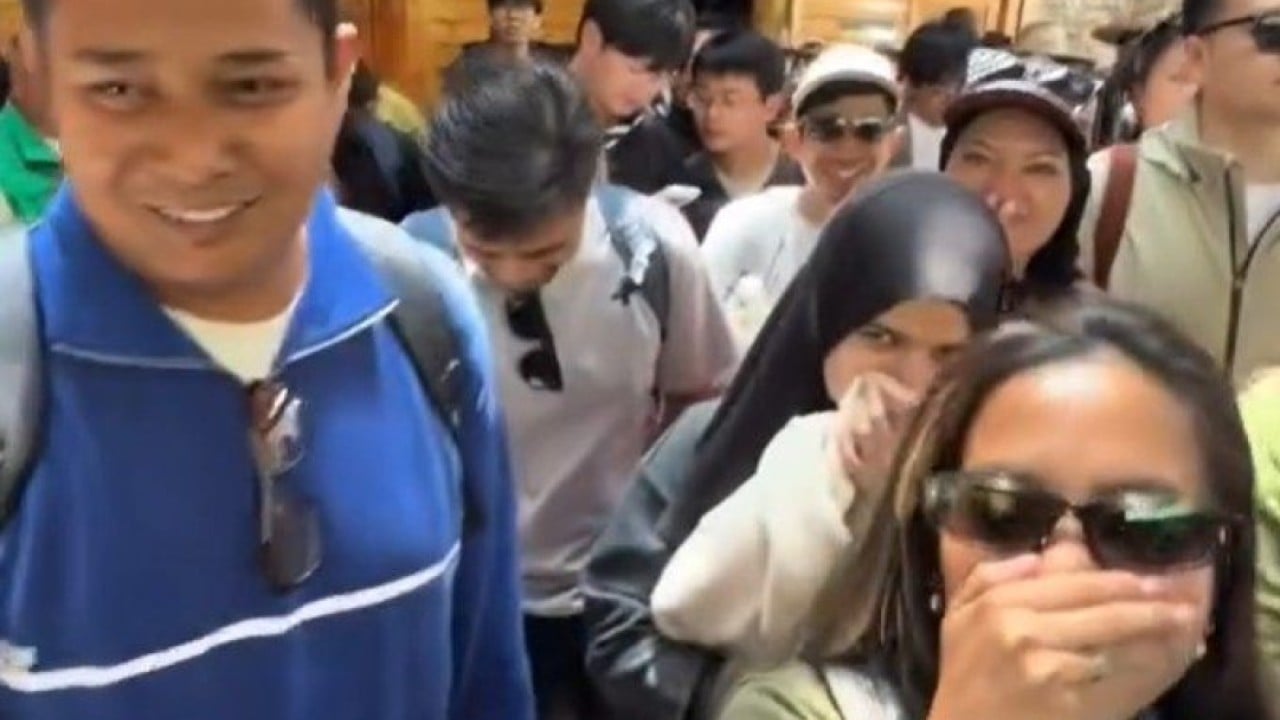
The internet thrives on outrage, but recent events show that audiences are finally pushing back against creators who treat foreign countries like their personal comedy props. A recent viral incident involving a Malaysian woman who had to issue a public apology for her excessive behavior in a video mocking locals in China highlights a growing problem in the creator economy. It is not an isolated incident. It is part of a pattern where the thirst for views overrides basic human decency.
When you pack your bags and film content in another country, you enter a space that belongs to real people with real lives. It is not a movie set. The local residents are not background extras hired to entertain your followers. Yet, we see a constant stream of influencers traveling across borders only to punch down at the people hosting them.
The backlash is usually swift, and the apology videos follow a predictable script. But the real question is why these creators think this behavior is acceptable in the first place.
The Viral Blunder and the Predictable Apology
In the case of the Malaysian influencer in China, the backlash came after she posted content that crossed the line from lighthearted travel vlogging into outright mockery. Her video, which widely circulated on platforms like TikTok and Xiaohongshu, showed her engaging in loud, exaggerated, and mocking behavior around local residents. The reaction from both Chinese and Malaysian netizens was immediate disapproval.
Faced with massive criticism and a collapsing reputation, she did what most creators do when the internet turns on them. She deleted the video and posted a tearful apology. She admitted her behavior was excessive, acknowledged that she lacked respect for the local culture, and begged for a second chance.
It feels cheap because we have seen it all before. Creators push the boundaries of decency to get clicks, and when they get caught, they claim they just did not know any better.
This excuse is getting old. Traveling to a foreign country requires preparation. If your content strategy relies on making fun of how locals talk, dress, or live, your strategy is broken from the start.
The Economic Pressure Behind Rage Bait Culture
To understand why a creator would mock locals in China or any other country, you have to look at how social media platforms reward behavior. The algorithms do not care if a comment is positive or negative. They only care about engagement.
When a video gets thousands of angry comments, the platform sees it as highly engaging content and pushes it to even more people. This creates a terrible incentive structure. Creators realize that being polite and respectful gets mediocre views, while being obnoxious or controversial can turn them into an overnight sensation.
This leads to what many call rage bait. Creators intentionally act out in public spaces to spark shock and anger. They film the confused or upset reactions of people around them, edit the clip to maximize the awkwardness, and upload it for easy traffic.
The financial rewards can be substantial. Higher views mean more ad revenue, better brand deals, and a larger follower count. For many influencers, the temporary embarrassment of a public backlash is just a business expense. They figure they can always apologize later, clear their name, and keep the followers they gained during the controversy.
Crossing Borders Without Cultural Competence
There is a massive difference between experiencing a culture and exploiting it. Authentic travel content shares the beauty, quirks, and challenges of a destination with curiosity and humility. Exploitative content uses the destination as a joke.
Many creators suffer from a severe lack of cultural awareness. They view foreign societies through a narrow lens of superiority. When they see locals doing things differently, their immediate reaction is to laugh or point rather than try to understand.
In Asian cultures, public decorum and mutual respect hold immense weight. Being overly loud, intrusive, or disruptive in public spaces is not just annoying. It is seen as a direct insult to the community. When a traveler enters that space and deliberately acts foolishly to mock the environment, they alienate the very people who welcomed them.
The internet has made the world smaller. A video filmed in a wet market or a subway station in China will find its way back to the people who live there. You cannot hide behind geo-blocks or assume your home audience will be the only ones watching. The global community is watching, and they will hold you accountable.
Real Accountability vs the Standard Influencer Apology
Most influencer apologies are masterclasses in public relations damage control rather than genuine remorse. They usually follow a strict formula. The creator looks sad, wears minimal makeup, blames their youthful ignorance or a lack of sleep, and promises to do better.
True accountability requires more than a standard text post or a three-minute video crying into a camera lens. It requires a fundamental shift in how content is made.
If you are genuinely sorry for mocking a community, you need to actively work to repair the damage. This means using your platform to elevate local voices, supporting local businesses without filming them for clout, and educating your audience on the cultural nuances you previously insulted.
Audiences are getting better at spotting fake remorse. When a creator says they are sorry because their brand deals are dropping, people notice. The Malaysian woman's apology for her behavior in China was accepted by some, but many others remain skeptical. They want to see if her future content actually reflects a changed mindset or if she will return to the same old tricks once the heat dies down.
How to Create Better Travel Content Without Exploiting People
If you are a creator or want to build an audience around travel, you do not need to rely on cheap laughs or controversy to succeed. The most enduring travel channels are built on respect, storytelling, and genuine human connection.
First, always get consent before filming individuals. A local merchant trying to sell goods or a commuter sitting on a train did not sign up to be a part of your viral comedy skit. If you want to include people in your videos, talk to them first. Explain what you are doing. If they look uncomfortable or say no, put the camera away immediately.
Second, focus on the "why" instead of the "what." If you see a cultural practice or a local habit that looks unusual to you, do not mock it. Research it. Ask a local guide or a resident to explain the history behind it. Turn your confusion into an educational moment for your audience. That builds authority and trust, which are far more valuable for long-term SEO and audience growth than a temporary spike in traffic from a controversy.
Third, check your ego at the border. You are a guest. Act like one. If you would not walk into a local business in your hometown and start shouting or making fun of the workers, do not do it in another country.
The era of the untouchable influencer is over. Audiences want authenticity, but they also want decency. The creators who survive the next wave of internet culture will be the ones who understand that respect is non-negotiable. If you cannot make content without making a mockery of the world around you, it is time to find a new career.