Wildfires in Eastern Washington are no longer just seasonal anomalies. They are structural crises. When a fast-moving blaze recently tore through communities in the region, destroying homes and forcing immediate evacuations, the public narrative followed a predictable script: extreme weather, erratic winds, and heroic emergency responses. But focusing solely on the spark misses the dry tinder that has been accumulating for decades. The real crisis is a compounding failure of land management, outdated zoning laws, and an electrical grid struggling under the weight of shifting climates.
To understand why Eastern Washington keeps burning, we have to look beyond the immediate devastation of blackened foundations and columns of smoke.
The Myth of the Unprecedented Blaze
Every summer, press releases label the latest wildfire as unprecedented. The data suggests otherwise. The ecosystem of Eastern Washington, characterized by arid shrub-steppe and dry ponderosa pine forests, is historically built to burn. For over a century, aggressive fire suppression policies transformed these landscapes. By putting out every minor blaze immediately, we prevented the natural thinning of underbrush.
Now, the terrain is choked with fuel.
When a spark ignites today, it finds an unnaturally dense buffet of vegetation. The result is a high-intensity crown fire that moves too fast for traditional containment strategies. Emergency crews are left playing a permanent game of catch-up, defending properties that perhaps should never have been built in high-risk zones in the first place.
The Wildland Urban Interface Trap
The destruction of residential property is rarely just bad luck. It is a consequence of shifting demographics and lax development codes. More people are moving into the Wildland-Urban Interface (WUI)—the zone where human development meets undeveloped wildland.
- Defensible Space Shortfalls: Many properties lack the basic 30-foot cleared buffer zone required to keep radiant heat from igniting structures.
- Combustible Materials: Traditional building practices rely heavily on wood siding and asphalt shingles, which act as kindling when embers rain down.
- Access Limitations: Narrow, winding rural roads frequently choke evacuation efforts, trapping residents and blocking incoming fire engines.
Local governments face an intense conflict of interest. They need the property tax revenue that comes from new subdivisions. Consequently, zoning boards regularly approve developments in areas that forestry experts know are highly vulnerable. When a fire hits, the financial burden shifts from the developers and local counties to state and federal taxpayers who fund the emergency response.
Infrastructure Under Strain
We cannot talk about modern wildfires without talking about the power grid. As temperatures soar, demand for air conditioning spikes, putting immense pressure on transmission lines. In high winds, these lines sag. If they touch surrounding vegetation, the resulting arc can ignite a disaster instantly.
Utility companies face a brutal calculus. They can implement Public Safety Power Shutoffs (PSPS) to cut power to high-risk areas during windstorms. This prevents fires, but it also leaves thousands of people without electricity, water pumps, or communication networks during a crisis. It is a crude tool that highlights a lack of investment in grid resilience, such as undergrounding lines or aggressive right-of-way clearing.
Moving Beyond Reactive Suppressions
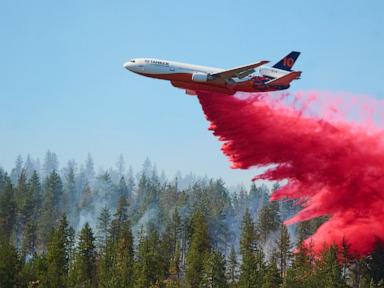
Pouring billions of dollars into bigger air tankers and more firefighters will not solve this. The state must pivot toward aggressive, proactive mitigation.
This means vastly scaling up prescribed burns during the cooler spring and autumn months to mimic natural fire cycles and clear out undergrowth. It requires rewriting state building codes to mandate ember-resistant vents, metal roofing, and non-combustible siding for any new construction in the WUI. Finally, it demands an honest conversation about where we allow people to build. Until the economic incentives for risky development are removed, the state will continue to watch its communities turn to ash.


