The neon lights of a high-production studio don’t just illuminate the set; they blind the people standing just outside the frame. We see the finished product on our screens—the frantic energy, the massive giveaways, the dizzying spectacles that define the modern attention economy. But behind the camera, the air is different. It’s heavy. It smells like stale coffee and the quiet, vibrating anxiety of people who know they are replaceable parts in a machine that never sleeps.
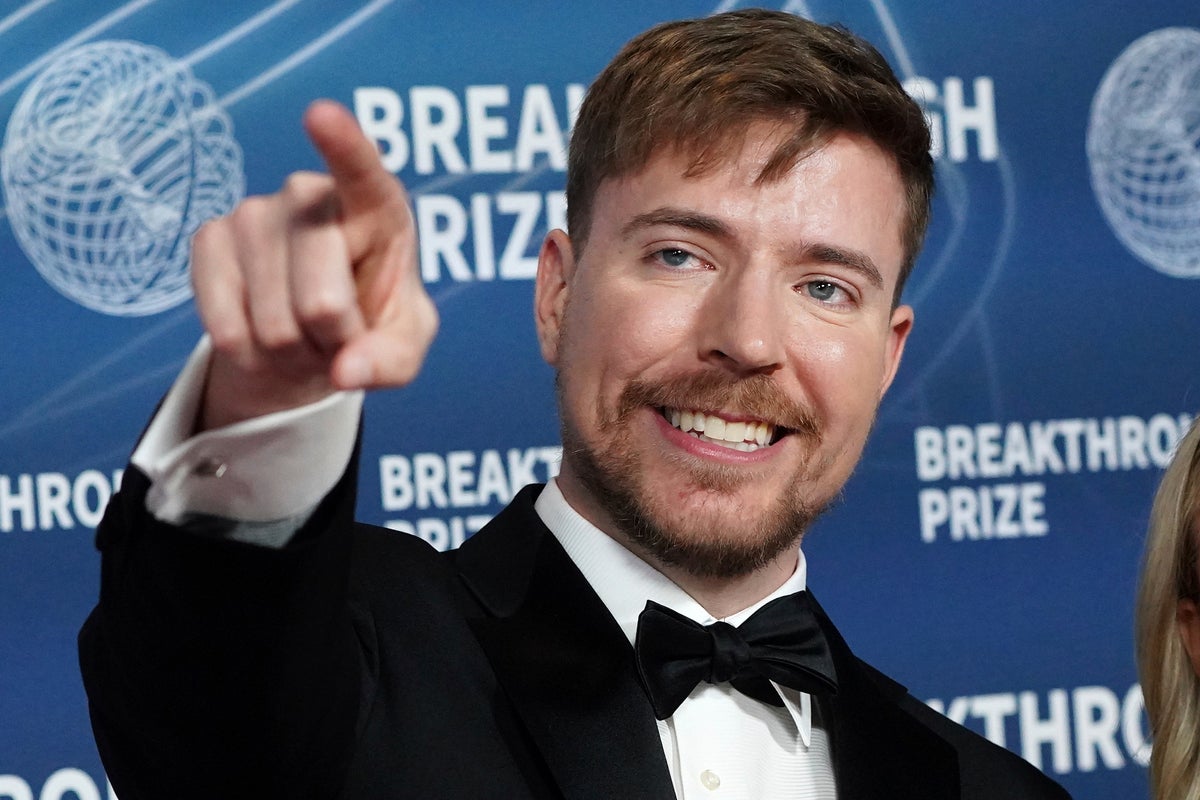
Jimmy Donaldson, known to the world as MrBeast, built an empire on the premise of radical generosity. He turned philanthropy into a sport, a high-stakes game where the winners walk away with life-changing sums of money. It is a brilliant business model. It is also, according to a growing chorus of voices, a grueling place to earn a paycheck.
When the cameras stop rolling, the "Best" brand faces a reality that isn't quite so thumb-stoppable.
The Cost of a Viral Hit
Working for the world’s most successful YouTuber isn't like a standard 9-to-5. It is a lifestyle. It is an all-consuming commitment to the algorithm. For the young creatives who flock to Greenville, North Carolina, the opportunity feels like a golden ticket. They are told they are making history. They are told they are part of a family.
But families don't usually have Non-Disclosure Agreements that feel like a weight around your neck.
Consider the perspective of a producer tasked with orchestrating a stunt involving hundreds of people and millions of dollars. The pressure is immense. Every minute of downtime is a drain on the budget. Every failed shot is a threat to the channel’s dominance. In this environment, the boundary between "high-performance culture" and "toxic workplace" begins to blur until it disappears entirely.
Recent allegations from former employees paint a picture of a culture where the drive for perfection overrode basic human empathy. They speak of grueling hours that stretched deep into the night, leaving staff depleted and hollow. They describe a hierarchy where feedback was often delivered through screams rather than conversations. When the goal is to save the world—or at least look like you are—the well-being of the person holding the boom mic can start to feel like a secondary concern.
The Shadow in the Studio
The most jarring accusations, however, move beyond the realm of overwork. A former employee has come forward with claims of sexual harassment within the production company. These aren't just stories of a "tough boss." These are stories of a fundamental failure to protect the people who make the magic happen.
In any rapidly scaling startup, HR is often an afterthought. You are moving too fast to worry about handbooks or sensitivity training. You are trying to capture lightning in a bottle. But when that startup is worth billions and influences the world’s youth, the "move fast and break things" mentality becomes dangerous. It breaks people.
The allegations suggest a boys' club atmosphere where inappropriate comments were laughed off and power dynamics were leveraged to keep dissenters quiet. It is a story we have heard before in Hollywood and Silicon Valley, but seeing it play out in the wholesome, philanthropic world of YouTube feels like a betrayal of the brand’s core promise.
The Weight of the Invisible NDA
Why do people stay? Why don't they speak up sooner?
The answer lies in the invisible stakes. For a twenty-something aspiring filmmaker, being fired from MrBeast is not just losing a job; it’s being exiled from the center of the digital universe. There is a fear that speaking out will result in being blacklisted from an industry that is increasingly controlled by a handful of mega-creators.
The NDA is the ultimate silencer. It creates a vacuum where the public sees only the smiles and the checks, while the bitterness and the trauma are contained within signed documents and legal threats. It turns a workplace into a fortress.
We must look at the data of the creator economy to understand why this happens. The top 0.1% of creators capture the vast majority of the revenue and the influence. This creates a desperation among workers to be associated with those winners at any cost. The result is a labor market where the supply of eager talent is endless, and the incentive for the employer to provide a healthy environment is minimal.
If you burn out, there are ten thousand people waiting in line to take your spot. They will work for less. They will complain less. Until they don't.
Redefining the Hero Narrative
We love a hero. We love the idea of a young man who started in his bedroom and grew up to give away houses and plant millions of trees. It’s a clean story. It’s a story that makes us feel good about the platform we spend hours on every day.
But the reality is rarely clean.
The accusations against MrBeast’s production company force us to ask a difficult question: Does the good done on screen justify the harm done behind it? If a video raises a million dollars for charity but is produced in an environment of fear and harassment, what is the net value of that content?
The human element is the most fragile part of any production. You can buy the best cameras. You can build the most elaborate sets. You can hire the most famous guests. But if the people who are editing the footage and managing the logistics are falling apart, the foundation is rotten.
The Turning Point
The creator economy is growing up. The days of YouTube being a Wild West where anything goes are ending. As these channels turn into massive corporations, they must be held to corporate standards. The "it’s just a prank" or "we're just a group of friends" excuse doesn't work when you have hundreds of employees and a global footprint.
Transparency is no longer optional. It is the only way to rebuild trust with an audience that is increasingly skeptical of the polished veneers of their idols. The cracks are showing, and they cannot be edited out in post-production.
Behind the bright colors and the fast-paced jump cuts, there are real lives being lived. There are people who go home to empty apartments, vibrating with the residual stress of a "dream job" that feels more like a nightmare. They are the ones who actually build the empire.
The cameras eventually turn off. The lights dim. The set goes quiet. In that silence, the truth remains, waiting to be told by those who were told to stay quiet. The story of the world's biggest YouTuber is no longer just about the videos; it is about the cost of making them.
The person holding the check is rarely the only one paying the price.