The Repricing Mechanism of Global Crude
When geopolitical tensions ease, the market undergoes a mechanical repricing of the energy risk premium. Traders do not merely adjust sentiment; they reallocate capital away from volatility hedges and recalibrate their supply-chain cost functions based on tangible fundamentals. Understanding this transition requires examining how supply-chain risk premiums, central bank interest rate policies, and corporate earnings reports interact within the broader energy complex.
Market participants often misinterpret this transition as a simple reaction to news flow. In reality, it reflects the unwinding of speculative positions and the recalculation of physical delivery risks. Analyzing this shift requires decomposing the movement of Brent and West Texas Intermediate (WTI) into three distinct variables: the geopolitical risk premium, the fundamental cost of capital, and the cash-flow generation of the underlying energy firms. Learn more on a related topic: this related article.
The Decay of the Geopolitical Risk Premium
The geopolitical risk premium represents the financial cost assigned to potential physical disruptions in energy supply routes. When tensions in major oil-producing regions cool, financial institutions and commodity trading advisors rapidly reduce their long positions in energy futures contracts.
To quantify this mechanism, we must look at how the forward curve shifts. In an elevated-risk environment, the futures curve tends to shift upward, with near-term contracts trading at a premium to longer-dated contracts, a market structure known as backwardation. As the risk premium dissipates, the front end of the curve declines faster than the back end, flattening the curve and signaling a reduction in immediate supply concerns. More reporting by Forbes delves into similar views on this issue.
The Mechanics of Supply-Side Resilience
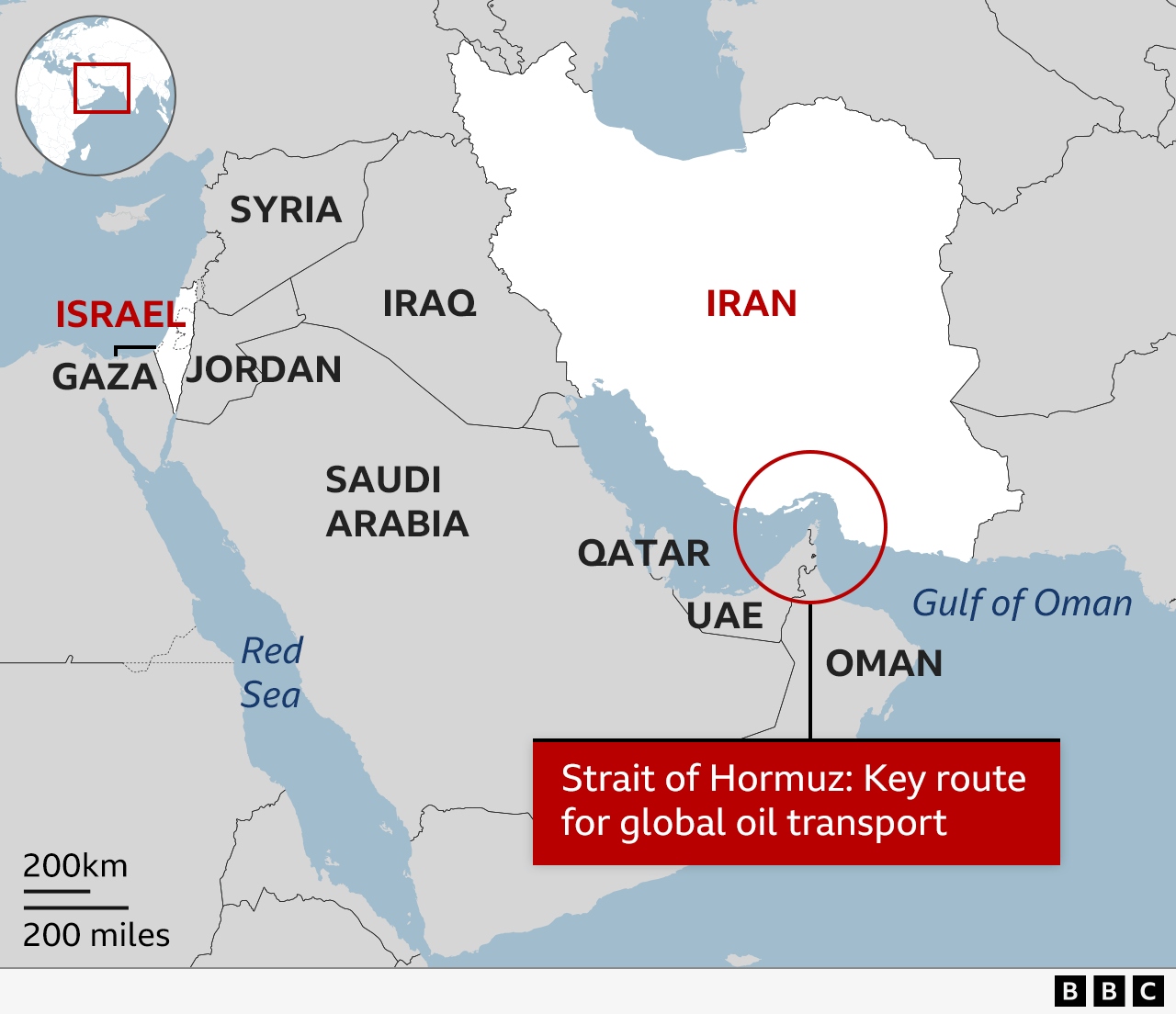
- Logistical Chokepoints: The security of maritime corridors, such as the Strait of Hormuz and the Bab-el-Mandeb, is priced into daily trading operations. When hostilities pause or diplomatic channels open, shipping insurance premiums drop. This reduction lowers the overall landed cost of crude oil for refiners.
- Production Spare Capacity: The Organization of the Petroleum Exporting Countries and its allies maintain a buffer of spare capacity. When geopolitical risks fade, the market prices in the higher probability that these nations can deploy dormant barrels if a supply shortfall occurs, which limits speculative spikes.
- Inventory Replenishment: Strategic reserves and commercial inventories act as a physical shock absorber. If the risk premium shrinks, traders shift their focus back to inventory levels in major storage hubs like Cushing, Oklahoma. A buildup in commercial crude stocks signals to the market that physical supply exceeds immediate refining throughput demand.
Geopolitical De-escalation
  ↓
Reduction in War-Risk Insurance
  ↓
Lower Landed Cost of Crude
  ↓
Upward Revision of Spare Capacity Utilization
  ↓
Decline in Front-Month Futures Contracts
The Corporate Earnings and Interest Rate Interplay
The movement of crude oil prices cannot be decoupled from corporate earnings and global monetary policy. Strong corporate earnings reports across non-energy sectors frequently signal robust economic activity and industrial demand. However, the relationship between equities and commodities depends on the interest rate environment maintained by central banks.
When equity markets experience broad-based earnings beats, risk appetite increases, which can support commodity prices even when geopolitical risks subside. Nevertheless, persistent strength in earnings often leads central banks to maintain higher interest rates to combat inflation.
The Cost-of-Capital Function
The cost of capital directly influences the inventory-holding costs of refiners and trading houses. High interest rates raise the opportunity cost of holding physical oil in storage. Consequently, when central banks signal that rates will remain elevated, market participants are disincentivized from building large physical inventories. This dynamic forces prompt-month crude prices lower, as supply must be cleared immediately in the spot market rather than withheld for future delivery.
$$r = R_f + \beta (R_m - R_f)$$
Where:
- $r$ represents the discount rate applied to energy investments.
- $R_f$ is the risk-free rate set by central banks.
- $\beta$ is the systematic risk coefficient of the energy asset class.
- $R_m - R_f$ represents the equity and commodity risk premium.
Supply and Demand Elasticity Divergence
The response of crude oil to shifting geopolitical and economic indicators depends on the asymmetric nature of supply and demand elasticities. In the short term, both supply and demand are relatively inelastic, meaning that price movements must be significant to clear the physical market.
Short-Run Inelasticity
On the demand side, industrial consumers and transportation networks require fuel regardless of moderate price fluctuations. On the supply side, upstream oil production involves high fixed costs and long lead times. A reduction in the risk premium does not immediately alter the volume of crude flowing from shale basins or deepwater platforms. Therefore, the price change reflects a contraction in the paper market—specifically, the liquidation of financial derivatives—rather than an immediate adjustment in physical extraction volumes.
The Refiner Margin squeeze
When crude prices fall, refining margins do not decline symmetrically. If the price of crude drops while refined product prices remain stable due to steady consumer demand, the gross product worth increases. This divergence provides a margin buffer for downstream operators, allowing them to absorb fluctuations in input costs without reducing throughput.
Crude Oil Price Drop
  ↓
Input Cost Reduction
  ↓
Stable or Rising Crack Spreads
  ↓
Increased Downstream Profitability
Strategic Action and Forward Positioning
To capitalize on the repricing of global crude markets, market participants must reallocate capital based on supply-chain fundamentals rather than sentiment-driven headlines.
- Execute Short-Term Calendar Spreads: Capture the differential between prompt-month and deferred contracts as the forward curve flattens. Long-dated contracts should be utilized to hedge against potential disruptions, while front-month contracts reflect the immediate reduction in risk premiums.
- Monitor Downstream Utilization Rates: Track refining margins by calculating crack spreads to identify operational efficiencies during periods of crude price volatility.
- Stress-Test Portfolio Assets against Interest Rate Changes: Account for the influence of central bank decisions on inventory-carrying costs. Ensure that any long positions in physical commodities incorporate the elevated cost of capital.