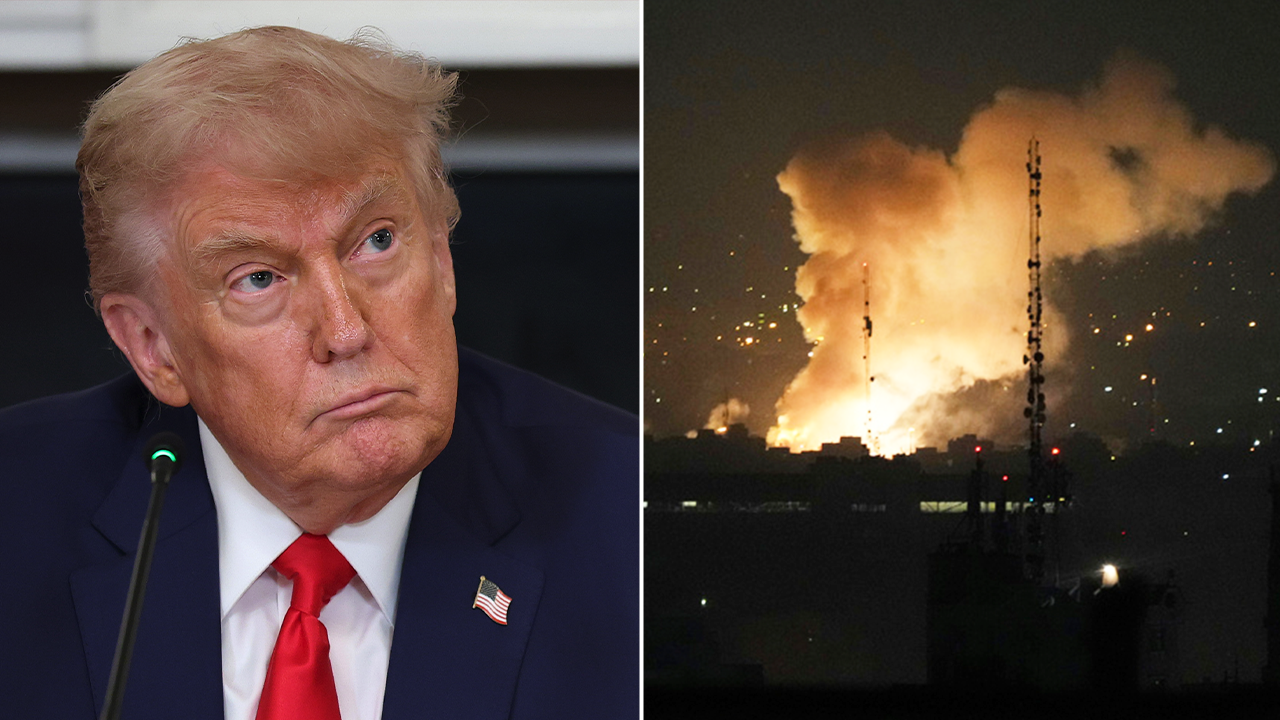
The air in Kyiv carries a specific, metallic scent when the sirens begin their rhythmic wail. It is the smell of old concrete dust and cold ionization. For the people living in the high-rises of the capital, that sound is no longer a shock; it is a chore. It means grabbing the pre-packed bag, checking the flashlight batteries, and moving toward the windowless safety of the corridor.
While the sirens echoed through the gray Ukrainian afternoon, Volodymyr Zelenskiy was thousands of miles away, stepping onto tarmac that shimmered with a different kind of intensity. The heat in the United Arab Emirates and Qatar doesn't just sit on you; it vibrates. It is a world of glass, sand, and immense, liquid capital. On the surface, the two environments—the snow-dusted trenches of the Donbas and the hyper-modern skylines of the Gulf—share nothing.
But look closer.
War is often described in terms of maps and arrows, but for those steering the ship, it is a problem of logistics and chemistry. Ukraine is currently an industrial heart looking for a new type of pacemaker. The recent diplomatic tour by the Ukrainian President wasn't just a series of handshakes and photo ops in gold-leafed rooms. It was a calculated move to bridge the gap between Soviet-era heavy metal and the silent, high-tech future of defense.
The Invisible Bridge of Sovereignty
The Gulf states have spent the last two decades obsessed with a single word: autonomy. They know what it is like to sit on a map surrounded by volatility. They have invested billions into becoming more than just oil wells with a flag; they have become hubs of defense technology, drone manufacturing, and advanced surveillance.
For Ukraine, the math is simple but brutal. You cannot win a long-term war of attrition by only relying on the charity of neighbors. Charity is subject to the whims of foreign elections and the fatigue of distant taxpayers. True survival requires partnership—the kind where both sides have skin in the game.
When Zelenskiy sat down with the leadership in Abu Dhabi and Doha, the conversation shifted from "what can you give us" to "what can we build together." This is the pivot from aid to industry. The agreements signed focus on joint production and technology transfer. Imagine a scenario where a drone designed in a basement in Kharkiv, tested against the most sophisticated electronic warfare on the planet, is refined and mass-produced using the sovereign wealth and manufacturing infrastructure of the UAE.
This isn't just about getting more bullets. It is about creating a defense ecosystem that can breathe on its own.
The Qatar Equation
In Qatar, the stakes feel even more personal. Doha has carved out a unique role as the world’s most effective "middleman." They are the ones who can talk to everyone when no one else is speaking. For a country like Ukraine, which is fighting to bring home thousands of deported children and prisoners of war, Qatar is the silent engine of the possible.
The meetings there touched on energy security—a vital pulse for a nation whose power grid is a constant target—but the emotional core was the human cost. Behind every official statement about "bilateral cooperation" is the reality of a father in a cellar in Omsk or a child in a forced adoption program in Siberia. Qatar’s mediation isn't just a diplomatic flourish; it is a lifeline.
But there is a hard business edge here too. Ukraine is one of the world’s great breadbaskets. The Gulf is a region that, despite its wealth, cannot grow enough food to sustain itself. This is the silent trade: Ukrainian grain for Gulf investment and technology. It is a pact of mutual survival. One side provides the calories that keep a desert nation fed; the other provides the capital and the diplomatic shield that keeps a war-torn nation functioning.
Beyond the Iron Curtain of Tradition
Critics often point to the complexity of these relationships. How can a nation fighting for democratic ideals find common ground with absolute monarchies? The answer lies in the dirt and the blood. In the real world, morality is often the luxury of the safe. When your cities are being systematically dismantled by long-range missiles, the most "moral" thing a leader can do is find a way to stop the dying.
The UAE’s EDGE Group, a massive conglomerate of defense companies, represents the exact kind of "robust" (to use a term we usually avoid, but which fits the physical armor they build) partner Ukraine needs. They specialize in autonomous systems and smart weapons. They represent the "Silicon Valley" of the Middle East.
Consider the engineer in a submerged bunker outside Kyiv. She is trying to figure out how to make a sea drone more resilient against jamming. She has the brilliance and the combat data, but she lacks the high-end semiconductors and the steady supply chain of carbon fiber. Through these new agreements, that bunker is now connected to a laboratory in the desert. The friction of distance evaporates when the shared goal is the preservation of the state.
The Shifting Gravity of Power
We are witnessing a quiet migration of influence. For a long time, the world believed that the only way to survive a conflict was to pick a side in a Cold War-style binary. You were either with the West or you were irrelevant.
Zelenskiy’s journey through the Gulf proves that the world is now multi-polar. Power is being decentralized. A nation can find its most vital allies in places that don't fit into a neat ideological box. The Gulf states aren't just "neutral" observers; they are becoming the architects of a new kind of global stability—one based on interconnected interests rather than shared borders.
The "cold facts" of the Reuters report mention millions of dollars and formal memorandums. But the reality is a mother in Kyiv who will have heat this winter because of a Qatari energy deal. It is a soldier who will come home in a prisoner swap negotiated in a quiet room in Doha. It is a new factory, built with Emirati capital, that produces the sensors that will spot a cruise missile before it reaches a playground.
The desert heat and the Ukrainian frost have finally met. They found a common language in the necessity of the shield.
As the President’s plane lifted off from the Gulf, heading back toward the sirens and the cold, the horizon looked different. The map of the world had stayed the same, but the web of who owes what to whom had been rewoven.
Ukraine is no longer just a victim of geography. By reaching across the sand, it has started to build a future where it is the master of its own machinery. The sirens will likely sound again tonight, but the silence that follows will be filled with the sound of a thousand new connections humming into life.
The heat of the desert has a way of tempering steel.