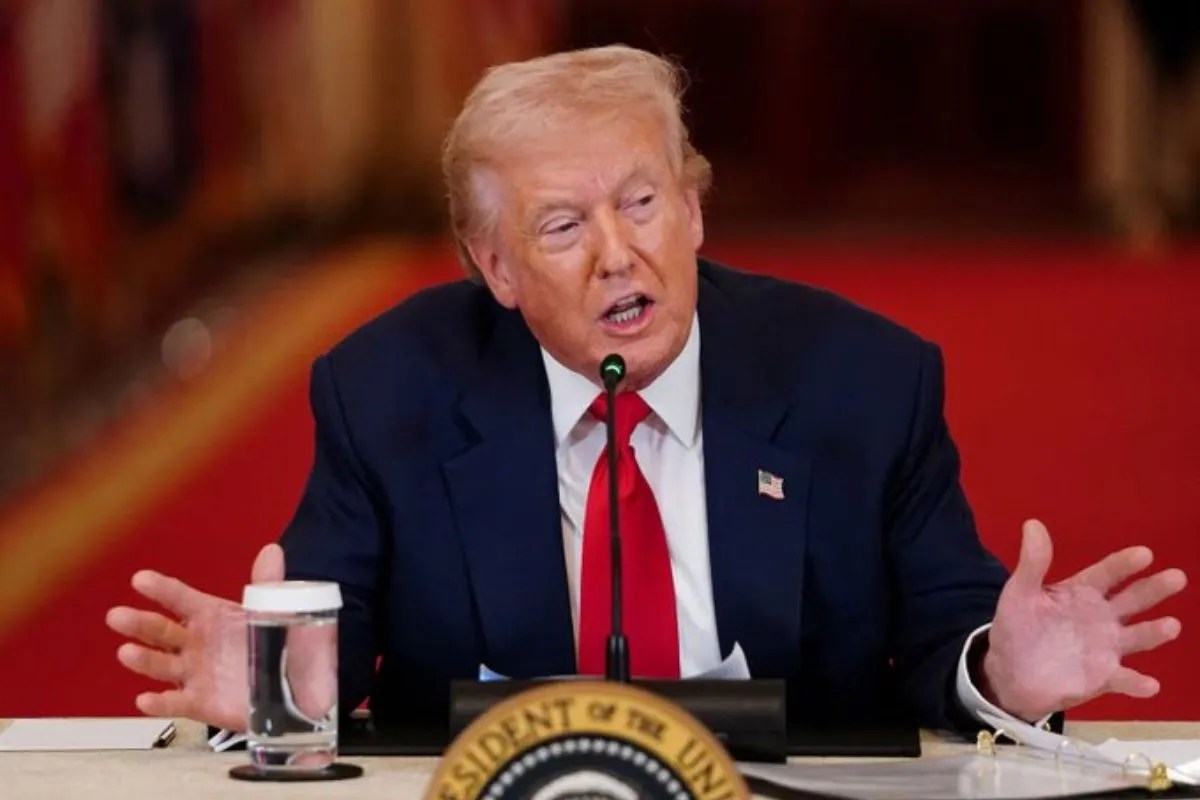
Donald Trump just dropped a massive truth bomb about what really happened during the 2020 assassination of Iranian General Qasem Soleimani. For years, the public narrative suggested a seamless partnership between the U.S. and Israel. We all assumed they were shoulder-to-shoulder in the planning and execution. It turns out that wasn't the case at all. Trump revealed that Israel pulled out of the operation just two days before the MQ-9 Reaper drone fired its missiles near Baghdad International Airport.
This isn't just some disgruntled political rant. It's a significant peek into the friction that defines high-stakes Middle East diplomacy. According to Trump, Benjamin Netanyahu was initially all-in on the plan. Then, suddenly, the tone changed. The message from the Israeli side became "We can't do this." This left the U.S. military to handle the entire operation solo. If you've been following the tension between these two leaders, this explains a lot about why their relationship soured toward the end of Trump’s term.
The sudden shift in the Soleimani operation
The planning for the strike on Soleimani wasn't a rushed job. It took months of intelligence gathering and logistical prep. Trump claims that Israel was working right alongside U.S. forces for a long time. They were sharing data and coordinating movements. Then came the phone call that changed the dynamic. Trump says he was told Israel wouldn't be participating in the actual hit.
I find this fascinating because it contradicts the image of a "united front" that both countries tried to project back in 2020. Usually, these kinds of details stay buried in classified files for decades. Trump, being Trump, decided to air the dirty laundry. He basically said that despite the withdrawal, he decided the mission had to go forward anyway. He didn't want to lose the window of opportunity.
Why did Israel back out? Trump hasn't given a specific reason for their cold feet. Maybe it was the fear of immediate Iranian retaliation on Israeli soil. Maybe it was a legal concern within their own cabinet. Whatever it was, it left a mark on Trump's perception of Netanyahu as a partner.
Why this admission matters for Middle East policy
You might think this is old news, but it's incredibly relevant today. The Middle East is currently a powderkeg. Understanding how these alliances work behind closed doors is vital for predicting what happens next. If the U.S. felt "let down" during one of its most significant military actions in recent history, that baggage doesn't just disappear.
It changes how future joint operations are viewed. If you're a military planner in the Pentagon, you're now looking at historical data that says your closest ally might blink at the finish line. That changes your backup plans. It changes how much intelligence you share. It changes everything.
The fallout between Trump and Netanyahu
The "Bibi" and Trump bromance was legendary for a while. They moved the embassy to Jerusalem. They worked on the Abraham Accords. But this Soleimani revelation shows the cracks were forming way earlier than we thought. Trump clearly felt that he did the heavy lifting while others took the credit or stayed in the shadows when things got risky.
Honestly, it’s a classic case of political ego clashing with military reality. Trump prides himself on being a "closer." In his mind, Israel failed to close on the Soleimani deal. This likely fueled his later comments where he criticized Netanyahu after the 2020 election.
The logistics of the solo strike
Once the U.S. realized they were on their own, the mission parameters shifted. They didn't need Israeli hardware, but they had relied on the idea of shared responsibility. Doing it alone meant the U.S. took 100% of the political and military heat.
The strike used a Hellfire R9X "Ninja" missile or a standard AGM-114. Reports vary, but the precision was undeniable. Soleimani’s convoy was turned into scrap metal in seconds. Iran responded with a ballistic missile attack on the Al-Asad Airbase in Iraq. This was a direct consequence that the U.S. had to absorb entirely on its own.
What this tells us about the future
If Trump returns to power, or even if his policy disciples remain in influence, this "America First" skepticism toward allies will remain front and center. It’s a warning to every partner nation. The U.S. remembers who stayed in the room when the lights went out.
The reality of international relations is often grittier than the press releases. Allies have their own domestic pressures. They have their own borders to protect. Israel has to live in the Middle East long after a U.S. President flies back to D.C. Their hesitation might have been logical from a survival standpoint, but in the world of high-level power politics, it was seen as a betrayal.
Keep an eye on how current leaders interact. The ghost of the Soleimani strike still haunts the corridors of the Knesset and the White House. It serves as a reminder that even the strongest bonds have breaking points when the missiles are about to fly.
Check the official declassified timelines of the 2020 Iraq strikes if you want to see how the troop movements align with these new claims. It's a deep rabbit hole that proves the most important parts of history are often the ones they don't tell us at the time.