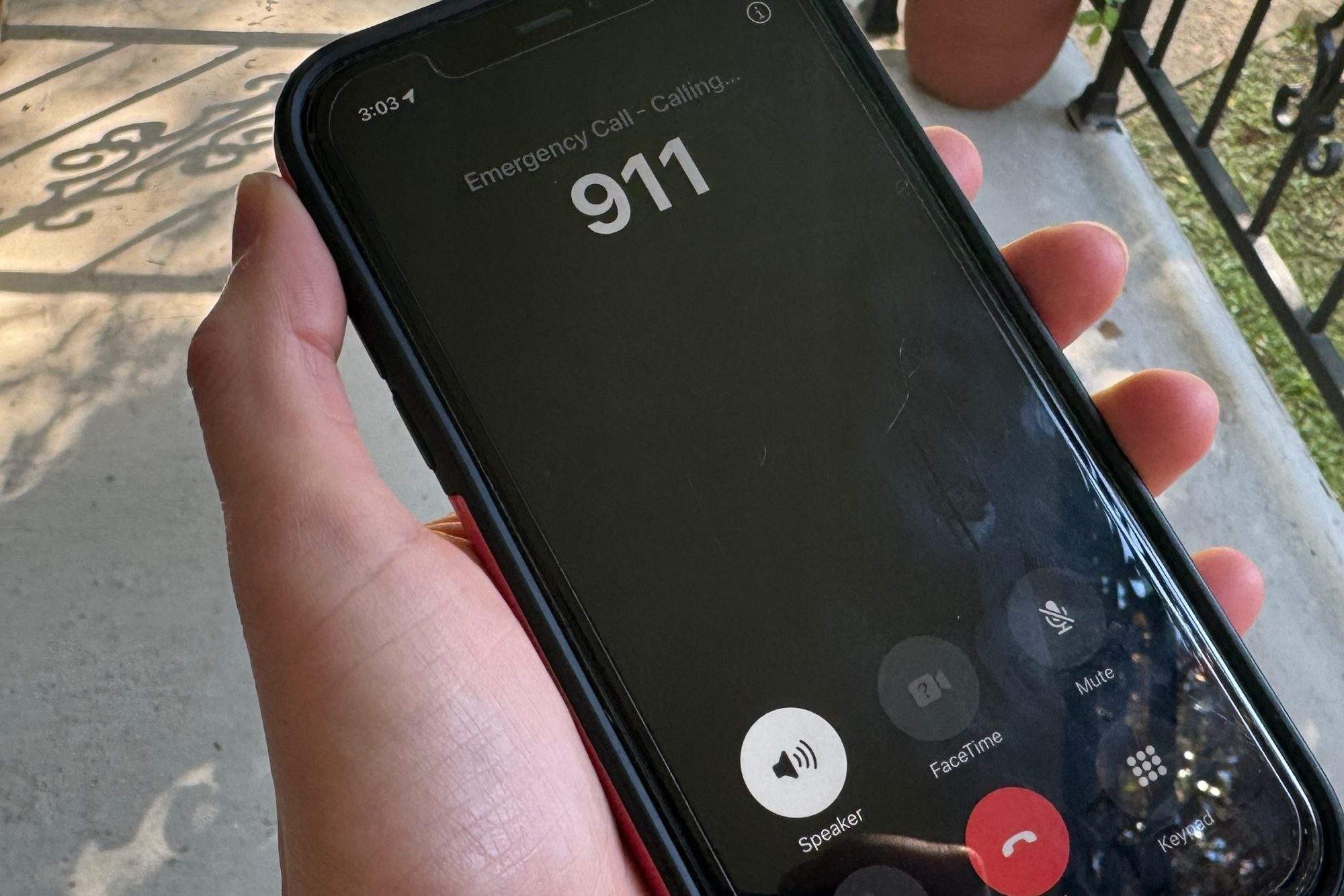
You call 911 because you're dying. You manage to hit dial, but you can't speak. You collapse to the floor, gasping for air, hoping the person on the other end can figure out where you are.
Then, the line goes dead. No one comes.
That's exactly what happened to Ralph Buerger, a 59-year-old resident of Pelham in Ontario's Niagara Region. On August 30, 2024, at 2:56 a.m., Ralph dialed 911 during a fatal cardiac event. He survived long enough to keep the line active for 35 seconds. When his family finally obtained the audio recording of that call, the reality was gut-wrenching. You can hear a loud crash, followed by heavy, laboured breathing.
Yet, the emergency operator dispatched absolutely nobody.
Ralph was found dead on his kitchen floor five hours later. Now, his brother Rick Buerger and sister Christine Stark are locked in a grueling battle with the provincial government and local police to change how emergency services handle silent calls. They're demanding something that sounds incredibly basic, yet isn't currently mandated: regular hearing tests and standardized noise-cancelling equipment for all 911 dispatchers.
The Shocking Blind Spot in Emergency Response
When Ralph’s family demanded answers, the Niagara Regional Police gave them a response that borders on the absurd. During a meeting, police officials told the family that the operator simply didn't hear any sounds on the line.
How is that possible when the coroner and family members can clearly hear a body hitting the floor and a man gasping for breath on the very same tape?
Rick Buerger thinks the answer lies in the equipment and the physical limitations of the staff. Right now, there are no uniform provincial standards in Ontario requiring 911 call takers to undergo regular audiometric screening. If an operator has high-frequency hearing loss, or if they're working in a noisy room with cheap, non-isolated headphones, subtle signs of life on a silent call get completely masked.
Think about it. We require commercial truck drivers, pilots, and even heavy machinery operators to pass strict physical and sensory tests. But the person holding the literal lifeline for millions of citizens can go years without a formal ear exam.
The family's fight isn't just about blaming a single worker. It’s about a systemic failure. They’ve launched a petition that gathered over 1,400 signatures in the Niagara Region, which was officially tabled at Queen’s Park by local NDP MPP Jeff Burch. They want a law that forces municipalities to provide top-tier noise-cancelling headsets and mandates annual hearing tests for every dispatcher.
The Resources Excuse Versus Public Trust
The police didn't just blame poor acoustics. They also used the classic bureaucratic defense: we don't have the staff.
According to Rick, police officials explicitly told him that dispatch centres receive too many dropped or silent calls to send a physical cruiser to every single one. They claimed they only send help if there are clear audio triggers, like screams, crashing sounds, or signs of domestic violence.
But this argument falls apart under scrutiny. In Ralph's case, the operator actually "pinged" his phone. They established a tight 41-metre radius of his location. If a dispatcher knows exactly where a dropped call came from, and the callback goes straight to voicemail, treating it as a non-event is a massive gamble with human life.
When you look at the logistics, Ralph's house was the only one in the immediate area with all its interior lights blazing at 3 a.m. A simple drive-by check by a local unit would've revealed a crisis. Instead, the system chose to assume everything was fine.
Stonewalling and the Fight for Transparency
What makes this tragedy worse is the way the family has been treated. For over 18 months, Rick and Christine have been run ragged by the bureaucracy. They had to fight through the Law Enforcement Complaint Agency (LECA), the Information and Privacy Commissioner’s office, and multiple Freedom of Information (FOI) requests just to hear the 35-second recording of their brother's death.
Initially, the local police board even blocked them from making a presentation. It wasn't until media pressure mounted that the force finally handed over the audio log.
This lack of transparency forces grieving families to act like private detectives just to find out why their loved ones died alone. Rick lives in Thailand, meaning he has spent months staying up through the middle of the night, fighting a cross-continental battle with Canadian regional authorities.
Next Generation 911 Won't Completely Fix Human Error
Ontario is currently rolling out "Next Generation 911" (NG911) systems, which allow for real-time text messaging and better location tracking. Authorities often point to this tech as the ultimate fix for communication breakdowns.
Don't buy into the hype completely. Tech is only as good as the human being processing it.
If a caller is unconscious, experiencing a massive stroke, or choking, they can't send a text message. They can't interact with an app. They rely entirely on an open phone line and a sharp set of human ears. If the provincial government doesn't step up and mandate strict auditory requirements alongside these multi-million dollar tech upgrades, the investment is practically useless.
If you want to support this push for emergency overhaul, contact your local Member of Provincial Parliament (MPP). Demand to know what specific hearing standards and equipment mandates are in place for the emergency dispatchers in your own municipality. Don't wait until your own family is left holding a silent phone line.