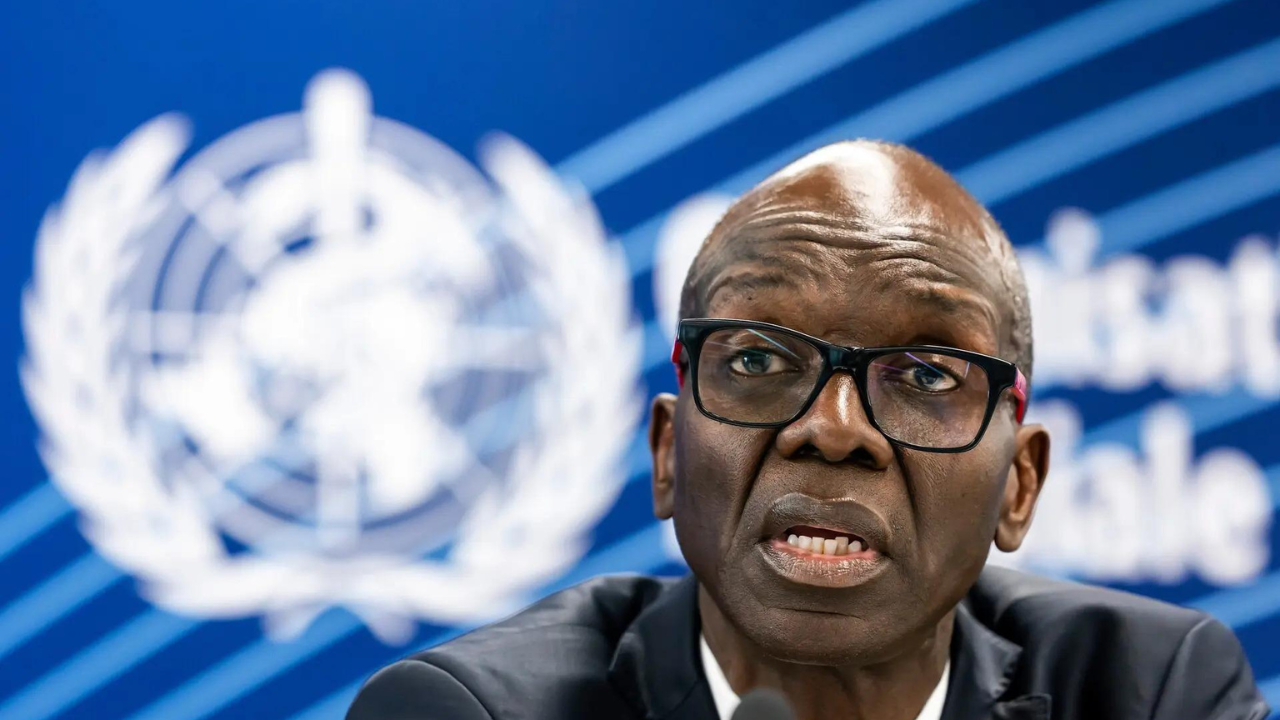
Public health institutions have a favorite script. When an outbreak occurs, the alarm bells ring, bureaucratic machinery grinds into motion, and the media runs headlines warning that the world is underestimating the next existential threat. The World Health Organization (WHO) Africa chief’s recent warnings regarding Ebola risks in the Democratic Republic of Congo (DRC) and Uganda follow this exact playbook. The consensus is clear: panic early, fund heavily, and treat every outbreak like it is 2014 all over again.
The consensus is wrong.
By treating Ebola as a persistent, unpredictable phantom lurking on the verge of global devastation, global health officials miss the actual structural reality of modern epidemiology. The risk of Ebola is not being underestimated. If anything, the nature of the threat is fundamentally misunderstood, heavily over-sensationalized, and weaponized to sustain a top-down funding model that fails local communities.
We need to stop managing Ebola through the lens of permanent crisis.
The Containment Illusion: Why the Old Playbook Fails
The traditional narrative dictates that geography and porous borders make places like western Uganda or eastern DRC ticking time bombs for catastrophic transmission. The prescribed fix is always more external surveillance, stricter border monitoring, and centralized deployment of international experts.
This approach ignores twenty years of epidemiological evolution.
Ebola is terrifying because of its high case-fatality rate, historically hovering around 50% to 90%. But from a purely transmission-focused perspective, high lethality is an evolutionary flaw for a virus. It immobilizes and kills its host too quickly to achieve the stealthy, rapid spread of respiratory pathogens like influenza or SARS-CoV-2. Transmission requires direct contact with bodily fluids of a symptomatic or deceased individual.
I have watched public health agencies drop millions of dollars into setting up thermal scanners at remote border crossings, convincing themselves they are stopping a regional collapse. It is theater. It looks disciplined on camera, but it accomplishes very little. The actual suppression of Ebola does not happen because a bureaucrat in Geneva issued a warning. It happens because localized, ground-level networks implement rapid isolation and safe burial practices.
When international bodies center the narrative on global vulnerability, they misallocate capital. They build temporary diagnostic empires that vanish the moment the news cycle moves on, leaving the baseline healthcare system just as fragile as they found it.
The Vaccine Weapon Is Already Here
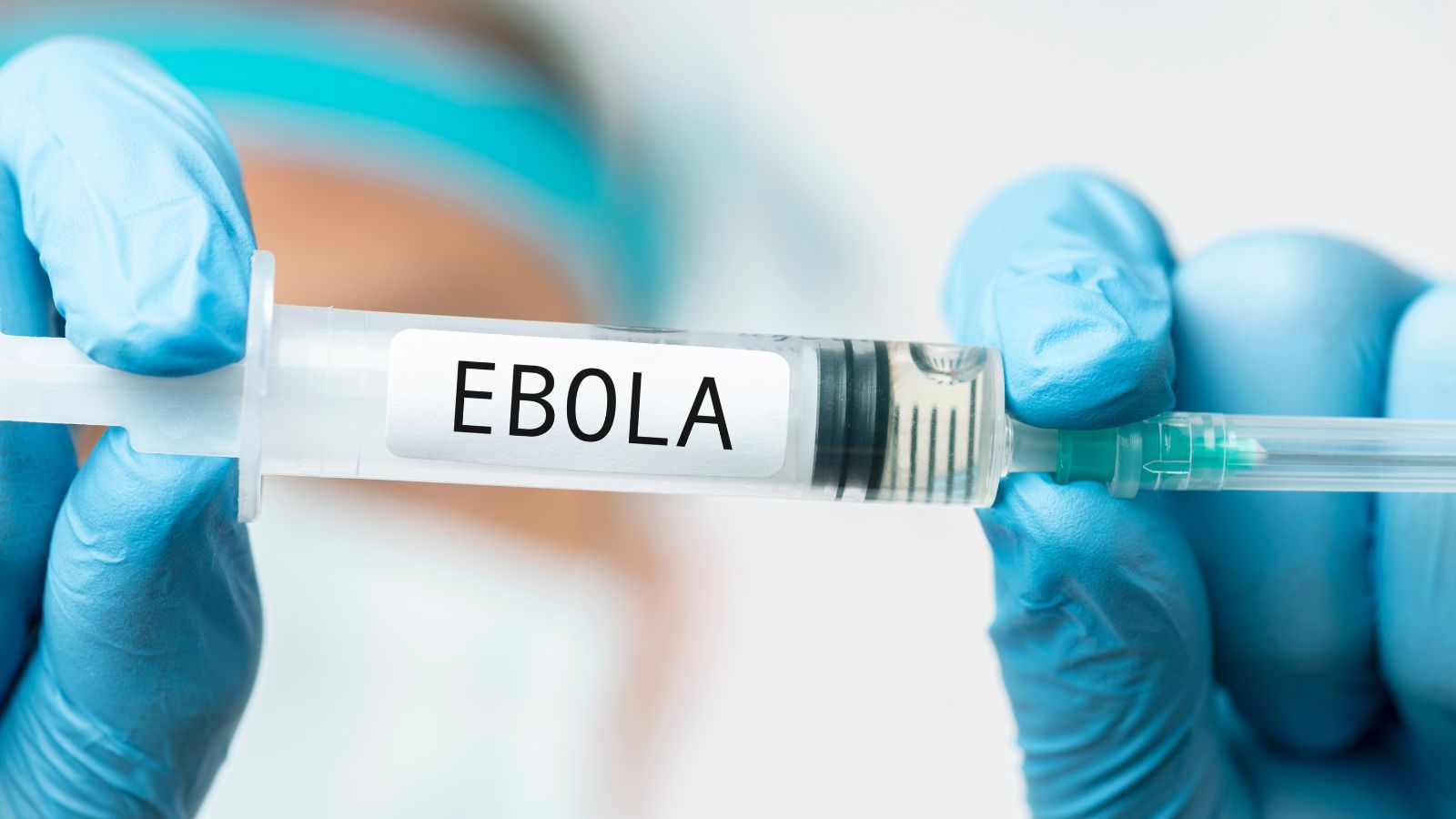
The loudest warnings from health officials often sound as if we are completely defenseless, relying solely on luck and closed borders. This completely ignores the single biggest shift in the management of filoviruses: the Ervebo vaccine.
+------------------------------------+------------------------------------+
| 2014 West Africa Outbreak Paradigm  | Modern Epidemiological Reality     |
+------------------------------------+------------------------------------+
| No approved vaccines available     | Highly effective Ervebo vaccine    |
| Blind supportive care              | Monoclonal antibody treatments     |
| Slow centralized diagnostics       | Rapid decentralized field testing  |
+------------------------------------+------------------------------------+
During the 2018–2020 Nord-Kivu outbreak in the DRC, the deployment of ring vaccination strategies changed the mechanics of outbreak control forever. Ring vaccination does not require vaccinating an entire nation; it requires vaccinating the social circle and contacts of an infected individual. It creates a human shield around the virus.
Furthermore, therapeutics like Inmazeb and Ebanga—monoclonal antibodies approved after rigorous clinical trials in the DRC—have fundamentally altered the survival calculus. If administered early, these treatments reduce mortality rates drastically.
To pretend we are one step away from a runaway regional disaster is to deny the efficacy of our own medical breakthroughs. The challenge today is not a lack of tools; it is the logistical failure to keep these tools stored, cooled, and accessible within the permanent healthcare infrastructure of central Africa. The panic narrative treats the virus as an untamable monster, obscuring the reality that the monster has already been scientifically caged. The remaining gaps are entirely operational.
The Opportunity Cost of Ebola Obsession
Every dollar spent hyper-focusing on an isolated Ebola cluster is a dollar diverted from the silent killers that systematically dismantle families across Central and East Africa every single day.
Consider the raw data. While an Ebola outbreak dominating the news might claim dozens or hundreds of lives over several months, routine pathogens execute a far more brutal toll without a single camera rolling.
- Malaria: Kills hundreds of thousands annually in sub-Saharan Africa, disproportionately targeting children under five.
- Measles: Regular, explosive outbreaks occur across the DRC due to collapsed routine immunization schedules, often killing more children in weeks than Ebola does in years.
- Tuberculosis and Diarrheal Diseases: Remain endemic, predictable, and chronically underfunded.
When international donors see a high-profile Ebola warning, money shifts. Specialty isolation wards are built while local clinics down the road lack basic rehydration salts, clean needles, and antimalarials.
This is the hypocrisy of the global health hierarchy. High-profile, scary pathogens get the spotlight because they trigger visceral fear in Western capitals. A virus that causes hemorrhagic fever makes for a compelling funding pitch. Chronic, grinding poverty-driven diseases do not. By overstating the regional risk of an uncontained Ebola explosion, institutions validate an inequitable distribution of global health resources.
Dismantling the Prevalent Myth of Resistance
A common talking point among international observers is that local community "resistance" and "distrust" are the primary drivers of outbreak prolongation. This is a patronizing simplification.
When armed teams turn up in biohazard suits, grab bodies without explaining the diagnostic process, and isolate loved ones in opaque tents where they often die alone, non-compliance isn't ignorance. It is a completely rational human response to an invasive, terrifying intervention.
True authority on the ground isn't established by flying in specialists; it is held by local community leaders, traditional healers, and neighborhood nurses who understand the social fabric. When public health agencies prioritize high-level political posturing over local integration, they create the very resistance they complain about.
If you want to neutralize an outbreak, stop treating the population as a hurdle to overcome. Treat them as the primary defense mechanism.
The Downside of De-Escalation
Adopting a contrarian, decentralized approach to Ebola is not without its vulnerabilities. If we strip away the centralized panic model and shift funding toward baseline healthcare infrastructure, we accept a specific trade-off: decentralization requires impeccable local governance.
If local clinics are poorly managed, supply chains for cold-chain storage break down, meaning vaccines lose potency. Without the heavy, blunt instrument of international intervention, small outbreaks could smolder longer before being completely snuffed out.
But this risk is preferable to the alternative. The status quo creates a cycle of dependency. An outbreak occurs, external forces sweep in, spend a fortune, suppress the virus, claim victory, and exit. The underlying healthcare system remains broke, fragile, and utterly incapable of handling the next spillover event independently.
Shift the Strategy Immediately
The premise that we are underestimating Ebola is an outdated artifact of the pre-vaccine era. We understand the virus. We have the diagnostics. We have the cure.
Stop funding the circus of permanent emergency declarations.
Invest the capital directly into upgrading the cold-chain logistics of rural clinics in the DRC and Uganda. Train local nurses to administer monoclonal antibodies as part of standard triage. Build permanent infrastructure that treats Ebola not as a terrifying anomaly, but as a manageable endemic risk—no different from any other highly infectious disease.
The era of using Ebola as a bureaucratic fundraising tool must end. Turn off the panic machine and build real clinics.