In the sterile, climate-controlled briefing rooms of Washington, the air is thick with the scent of expensive toner and the quiet hum of power. Maps are projected onto screens with the precision of a surgeon’s blade. Data points are shifted. Sanctions are tightened like a tourniquet. To the architects of foreign policy, the world is a series of levers. You pull one here, and a thousand miles away, a nation is supposed to flinch.
But across the globe, in a sun-scorched courtyard in Tehran, the reality of that leverage feels different. It feels like a joke that has been told too many times.
When Abolfazl Shekarchi, the senior spokesman for the Iranian Armed Forces, stood before a microphone to address the latest claims from the Oval Office, he didn’t lead with a threat. He didn't offer a dry, diplomatic rebuttal. He laughed. He told the gathered press that the American administration was essentially "talking to themselves."
It was a moment that stripped away the veneer of high-stakes diplomacy to reveal something far more human and far more volatile: the breakdown of shared reality.
The Mirror and the Mirage
To understand why a military general would mock the leader of the free world, we have to look past the headlines about nuclear enrichment and ballistic missiles. We have to look at the psychological wall that has been built between two superpowers.
For years, the American strategy has been built on the "maximum pressure" campaign. The logic is simple. If you make life hard enough—if you choke the economy, freeze the assets, and isolate the leadership—the target will eventually have no choice but to come to the table. It is a business negotiation backed by the threat of ruin.
Consider the hypothetical merchant in the Grand Bazaar of Tehran. We will call him Reza. For decades, Reza’s family has traded in silk and spices. He doesn't care for the nuances of the JCPOA or the specific phrasing of UN resolutions. He cares about the price of flour. He cares that the medicine his mother needs is suddenly three times the price it was last month because the rial has plummeted against the dollar.
In Washington, Reza’s hardship is a metric of success. It is "leverage."
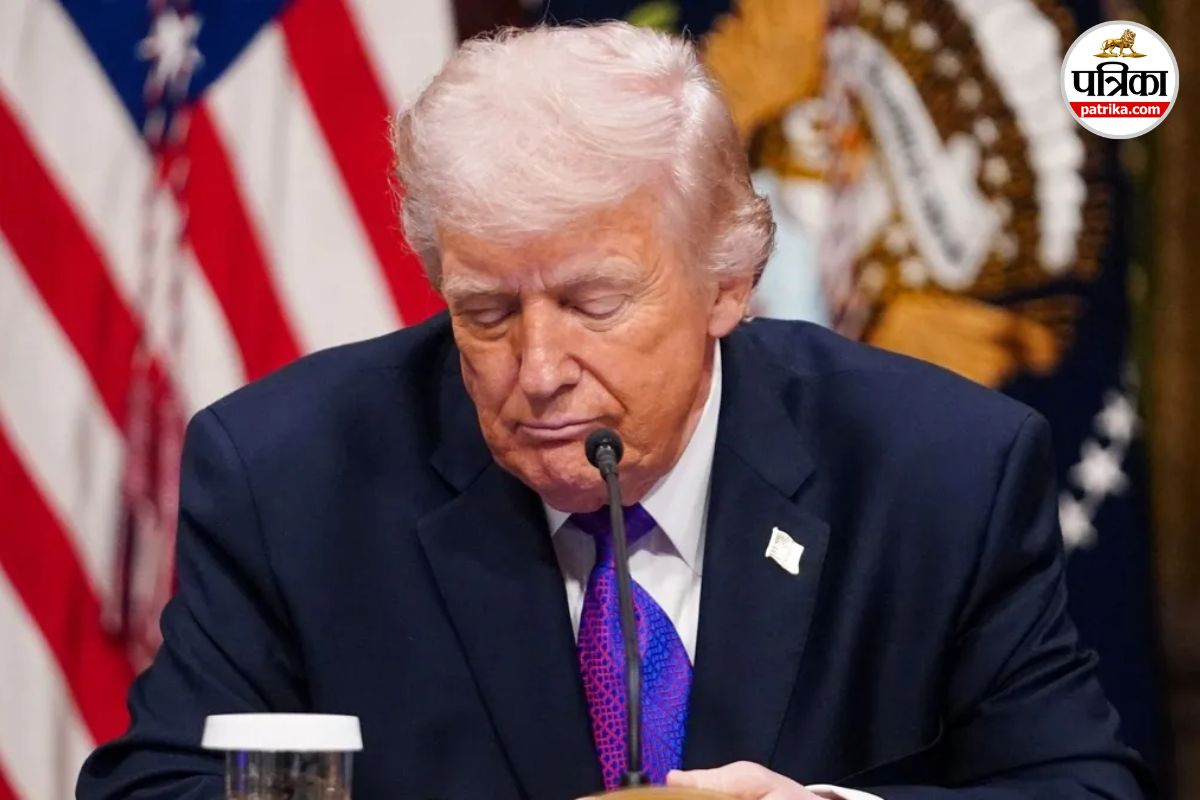
But in Tehran, the government uses Reza’s struggle as a shield. They point to the sanctions not as a reason to negotiate, but as proof of an external enemy’s cruelty. When President Trump claimed that Iran was "dying" to make a deal, he was speaking to a domestic audience and a global financial market. He was projecting a reality where the pressure was working perfectly.
Shekarchi’s response was the sound of that projection hitting a brick wall. By saying the Americans are "talking to themselves," he wasn't just dismissing a claim. He was asserting that Iran has moved beyond the reach of American influence. He was claiming that the "leverage" is an illusion.
The Language of the Unheard
Communication requires a sender, a receiver, and a shared medium. When the medium is nothing but sanctions and threats, the signal gets distorted.
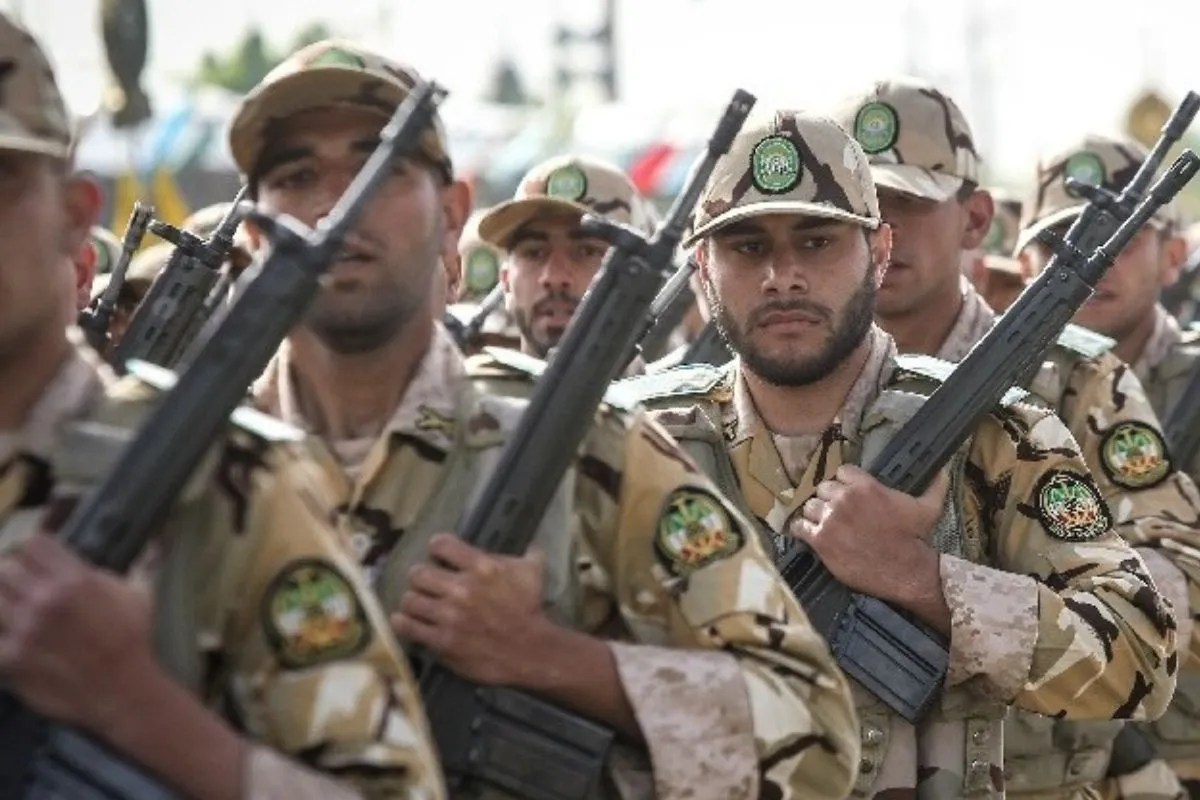
The Iranian military establishment has spent forty years learning how to live in the cracks of the global system. They have built an entire "resistance economy." They have found back-door buyers for their oil. They have developed domestic industries to replace what they can no longer import.
When a nation learns to survive in the dark, turning the lights off no longer scares them.
Shekarchi’s mockery is rooted in this lived experience of survival. To him, the American president's invitations to negotiate are not olive branches. They are seen as demands for surrender disguised as diplomacy. In the Iranian narrative, the "deal" being offered is one where they give up their primary means of defense in exchange for the possibility of economic relief that could be snatched away by the next administration's pen stroke.
This is the invisible stake: trust.
Trust is not a "soft" concept in international relations. It is the hard currency of every treaty ever signed. Without it, words are just vibrations in the air. When the U.S. withdrew from the nuclear deal in 2018, it didn't just stop a policy; it shattered a vessel. You can’t pour new promises into a broken jar and expect them to hold water.
The Architecture of a Stalemate
The tragedy of this diplomatic theater is that both sides are right within their own frameworks.
The U.S. is right that Iran’s regional influence and missile programs are a threat to the status quo. They are right that economic pressure is the most potent non-kinetic tool in their arsenal.
Iran is right that they have survived every "maximum" effort thrown at them so far. They are right that their sovereignty is not for sale at any price the U.S. is currently willing to pay.
But when two people are right in ways that never intersect, you don't get a solution. You get a cold war that burns the people trapped in the middle.
The "human-centric" reality of this conflict isn't found in the speeches of generals or presidents. It is found in the quiet desperation of the middle class in Iran, whose savings have evaporated. It is found in the anxiety of a young soldier on a carrier in the Persian Gulf, wondering if a stray spark will turn a war of words into a war of fire.
The American administration’s claims of a looming deal were designed to project strength. They were meant to show that the "bully" was being tamed. But Shekarchi’s laughter served a different purpose. It was a signal to the Iranian people—and to the rest of the world—that the regime is not afraid.
It is a dangerous game. Mockery is a weapon of the weak that makes them feel strong, and overconfidence is a weapon of the strong that makes them vulnerable.
The Sound of Silence
Imagine a room where two people sit at opposite ends. One shouts requirements through a megaphone. The other puts on noise-canceling headphones and begins to whistle a tune.
The person with the megaphone thinks they are leading a conversation. They think their volume equates to impact. But the person with the headphones has checked out. They have decided that the noise doesn't matter anymore.
This is the state of U.S.-Iran relations described by Shekarchi.
The "human element" here is the psychological fatigue of a forty-year standoff. Both sides have become caricatures to one another. To Washington, Iran is a "rogue state" or a "dying economy." To Tehran, the U.S. is the "Great Satan" or an "arrogant power" talking to its own shadow.
When you stop seeing your opponent as a human being with legitimate fears and rational interests, you stop being able to influence them. You can only hurt them. And as history shows, humans can endure a staggering amount of hurt if they believe it serves a higher purpose—or if they simply have no other choice.
The real problem isn't the lack of a deal. It's the lack of a shared language.
As long as the U.S. insists that pressure is the only way to talk, and as long as Iran insists that laughter is the only way to respond, the megaphone will keep blaring into an empty room.
The general's laugh wasn't just a PR stunt. It was a warning. It was the sound of a door being bolted from the inside.
Somewhere in a dusty office in Tehran, an official looks at a chart of the falling rial and then at a report of a new drone test. He shrugs. In a high-rise in D.C., an analyst looks at the same chart and sees a victory. Neither of them sees Reza, the merchant, who has finally closed his spice shop because he can no longer afford the rent.
The sun sets over the Persian Gulf, casting long, distorted shadows across the water. The warships sit silent. The politicians continue their speeches. And in the distance, the only thing audible is the sound of a world talking to itself, while the rest of us wait for the silence to break.