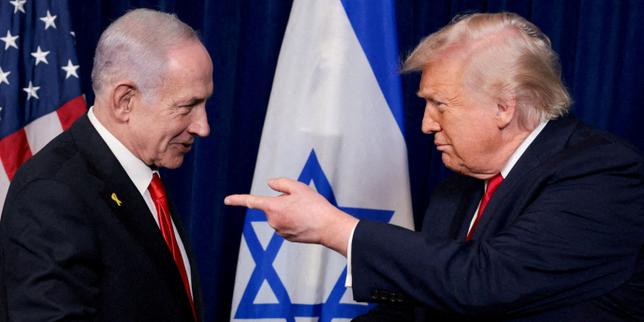
Benjamin Netanyahu is scrambling to patch up a fraying alliance. Following a monumental diplomatic breakthrough between Washington and Tehran, the Israeli Prime Minister has gone into damage-control mode, publicly demanding that the "vital relationship" between the United States and Israel remain untouchable. But behind the frantic rhetoric lies a harsh reality. The new US-Iran agreement has fundamentally shifted the geopolitical balance of power in the Middle East, leaving Israel more isolated than it has been in decades. This development forces a complete re-evaluation of security strategies that have guided the region for a generation.
The immediate shockwave from the deal has destabilized the traditional security assumptions of the Mediterranean and the Persian Gulf. For years, Israeli defense doctrine relied on a simple premise. The United States would maintain a policy of maximum pressure on Iran, effectively containing its regional ambitions through economic strangulation and isolation. That premise is now dead. The new accord, which eases specific sanctions in exchange for verified rollbacks and freezes in Tehran’s nuclear enrichment program, signals a profound shift in American priorities. Washington is looking to reduce its direct military footprint in the Middle East, even if it means tolerating a managed relationship with a long-term adversary.
The Breakdown of Mutual Trust
The tension between the White House and the Israeli Prime Minister's office is not a temporary spat. It is structural. Diplomats working behind closed doors acknowledge that the level of intelligence sharing, while still functional, has cooled significantly. Israel views the American compromise as an existential betrayal. Washington views Israel's aggressive stance as an unnecessary complication that risks dragging the US into another protracted conflict.
This divergence in core national interests creates a dangerous friction. Israel has spent years preparing for potential unilateral military action against Iranian nuclear facilities. However, conducting a strike of that magnitude requires tacit American approval, logistical support, or at least a guarantee that the US will shield Israel from the inevitable regional retaliation. With the signing of the US-Iran pact, that American shield is no longer guaranteed.
Economic Realignment and Regional Fallout
The consequences of this diplomatic shift extend far beyond military strategy. They alter the economic calculus of the entire region. The easing of sanctions allows Iran to legally re-enter global energy markets, altering oil dynamics and giving Tehran a massive influx of hard currency.
+-------------------------------------------------------------+
|               GEOPOLITICAL REPOSITIONING                   |
+-------------------------------------------------------------+
|                                                             |
|   UNITED STATES  =======> Negotiates Deal =======> IRAN     |
|         ||                                          ||      |
|         || (Sustained Financial/                    || (Increased
|         ||  Military Support)                       ||  Regional
|         \/                                          \/      |
|       ISRAEL <================================= PROXIES     |
|              (Increased Diplomatic Isolation)               |
|                                                             |
+-------------------------------------------------------------+
This financial windfall will inevitably trickle down to regional proxies. Groups operating along Israel's northern and southern borders are positioned to receive upgraded financing and hardware. This reality exposes the central flaw in the American diplomatic strategy. While Washington achieves a temporary freeze on nuclear development, it inadvertently finances a conventional destabilization across the Levant.
Israel's strategy to counter this involves accelerating its own regional integration. The Abraham Accords were designed precisely for this scenario—to build an Arab-Israeli coalition against Tehran. Yet, the strength of that coalition is untested under these new parameters. Gulf states are highly pragmatic. If they perceive that the United States is accommodating Iran, countries like Saudi Arabia and the United Arab Emirates may choose to hedge their bets, pursuing their own diplomatic detentes with Tehran rather than forming an overtly hostile military alliance with Tel Aviv.
The Domestic Pressure Cooker
Netanyahu's public appeals to Washington are designed as much for an international audience as they are for voters at home. His political survival depends on his reputation as the ultimate defender of Israeli security. The US-Iran deal shatters the narrative that he alone can dictate terms to Western superpowers.
Internal opposition leaders are already capitalizing on this vulnerability. They argue that years of public bickering with Democratic administrations have alienated Israel’s most critical backer. The argument is simple but devastating. By turning Israel's security into a partisan issue in American politics, the current leadership has weakened the state's strategic position.
The military establishment in Tel Aviv is also divided. While the political leadership beats the drums of defiance, top generals and intelligence officials are quietly advocating for a more pragmatic approach. They recognize that an open rift with the Pentagon is a luxury Israel cannot afford. The Israel Defense Forces rely heavily on American munitions, joint training exercises, and satellite data. A prolonged diplomatic freeze risks degrading operational capabilities at a time when threats are multiplying.
The Myth of Unilateralism
For decades, the threat of unilateral Israeli military action served as a powerful lever to force harsher Western sanctions. That lever has lost its teeth. An independent strike on Iranian facilities is an incredibly complex logistical challenge. It requires flying through sovereign airspace, managing complex electronic warfare, and sustaining a campaign over weeks, not days. Without American refueling tankers and political cover at the United Nations Security Council, such an operation borders on the impossible.
The White House knows this. Tehran knows this too. This realization changes the psychology of the deterrence equation. Iran can operate with a higher degree of confidence, knowing that the threshold for an Israeli military response has been significantly raised by American diplomacy.
This leaves Israel with few good options. It can continue its shadow war—utilizing cyberattacks, sabotage, and targeted assassinations to slow down Iranian progress. But these tactics are defensive measures, not a permanent solution. They buy time, but they do not alter the broader strategic trajectory.
The ultimate test of the relationship will come when the current agreement faces its first major compliance dispute. If Iran violates the terms, will Washington snap sanctions back automatically, or will it look the other way to preserve the diplomatic facade? Israel is betting on the latter, and that profound lack of faith is rewriting the geopolitical rules of the Middle East. The old alliance remains vital, but it is no longer whole.


