A $25 million lawsuit is a great way to get headlines, but a terrible way to understand property rights.
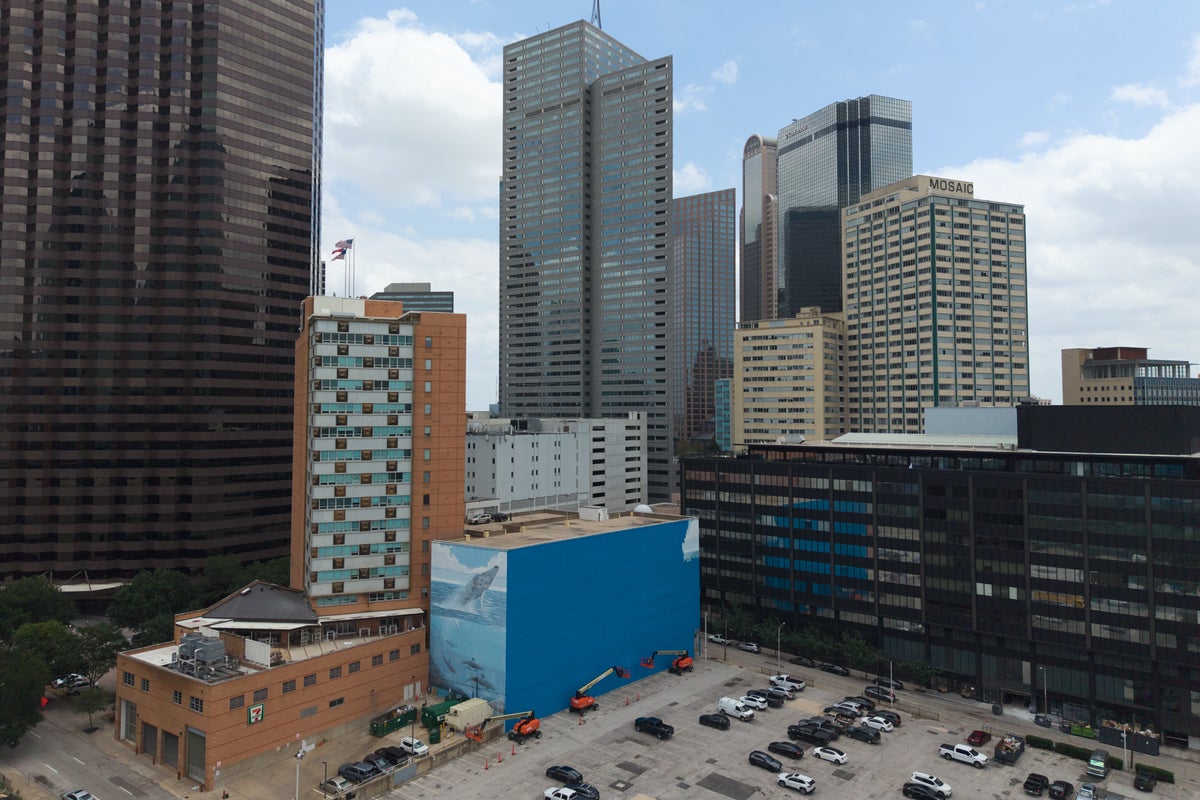
When a Dallas artist sued FIFA because his massive whale mural was painted over to make room for World Cup advertising, the internet did what it always does. It wept for the tragic, starving artist crushed beneath the boot of a corporate soccer monolith. The narrative was set instantly: evil sports conglomerate destroys local culture for a quick buck.
It is a beautiful story. It is also entirely wrong.
The outrage machine completely misunderstands how intellectual property, commercial real estate, and municipal contracts actually work. Having spent years negotiating high-stakes commercial licensing agreements and dealing with the fallout of poorly drafted public art waivers, I can tell you that emotion does not dictate ownership.
The reality of this situation is uncomfortable, but it needs to be said. If you paint a mural on someone else’s building, you do not own the wall. You do not own the right to freeze that real estate in time forever. FIFA isn’t the villain here; they are simply the only party acting like they understand the contracts they signed.
The Myth of Permanent Public Art
Street art thrives on a romantic lie. That lie says because an artwork is public, it belongs to the public, or worse, remains the permanent property of the creator.
Let's look at the mechanics of the Visual Artists Rights Act (VARA). Passed in 1990, VARA was meant to protect an artist’s moral rights, preventing the intentional distortion, mutilation, or modification of a work of "recognized stature." It is the legal shield every muralist reaches for the second a roller hits their wall.
But VARA is not an absolute veto power over urban development.
Property owners routinely require artists to sign VARA waivers before a single drop of paint touches a brick. Why? Because no sane commercial real estate owner is going to let a $5,000 paint job permanently devalue or restrict a $50 million piece of physical property.
Imagine a scenario where a property owner wants to renovate a crumbling building facade, but they can’t touch it because an artist painted a bird on it five years ago. The building becomes functionally unmarketable. That is not how capitalism works, and it is not how property law is designed to function.
When global entities like FIFA descend on a host city, they buy up massive "clean zones." These are legally mandated perimeters around stadiums and city centers completely stripped of competing advertising and unapproved visuals. If a local building owner signed a lease giving FIFA total control over their exterior walls for the duration of the tournament, FIFA has every legal right to blank that canvas.
The $25 Million Illusion
Let’s talk about the math, because the valuation in this lawsuit is pure fiction.
Where does a $25 million damages figure come from? It does not come from the fair market value of the paint or the labor. It is a number pulled from the ether to force a settlement.
In intellectual property disputes, damages are typically tied to actual economic loss or statutory damages. Unless that whale mural was generating millions of dollars in direct, quantifiable revenue for the artist every month—which it wasn’t—the claim of $25 million is a PR stunt wrapped in a legal complaint.
- Real Value: The cost to recreate the work, or the agreed-upon commission fee.
- Perceived Value: The emotional trauma of seeing a temporary public installation treated as temporary.
I have seen companies spend millions defending against these types of inflated claims just to establish a precedent. FIFA has deeper pockets than any local artist, and more importantly, they have an army of lawyers who specialize in sovereign-level event hosting agreements. They do not settle out of fear of bad press. They eat bad press for breakfast.
Who is Really at Fault?
If you want to point fingers, stop looking at the Swiss soccer executives and start looking at the property owners and the artists themselves.
If the artist failed to secure a contract that explicitly banned the building owner from altering or leasing the wall for commercial advertising, that is a failure of basic business literacy. If the building owner signed a waiver promising the artist the mural would remain untouched, then the artist should be suing the landlord for breach of contract, not FIFA for tortious interference.
The uncomfortable truth is that many street artists treat the business side of their craft as an afterthought. They accept cash under the table, rely on handshake agreements, and then act shocked when the real world operates according to the text of a recorded deed.
There is a downside to this cold, analytical approach. It means cities become more sanitized during mega-events. It means corporate logos temporarily replace local flavor. That sucks from an aesthetic standpoint. But code, contracts, and commerce run the world, not vibes.
The Actionable Truth for Creatives
Stop suing after the fact and start negotiating beforehand.
If you are an artist painting in the public sphere, you must operate under the assumption that your work has an expiration date. If you want permanence, buy the building. If you can’t buy the building, get a ironclad contract that includes an explicit buyout clause.
If a corporation wants to paint over your work for an event, the contract should dictate exactly how much they have to pay you to do it. That is how you protect your art—not by crying foul to the media after the gray primer has already dried.
The whale mural is gone. It was always going to go. The only mistake FIFA made was assuming the artist understood the temporary nature of public walls.