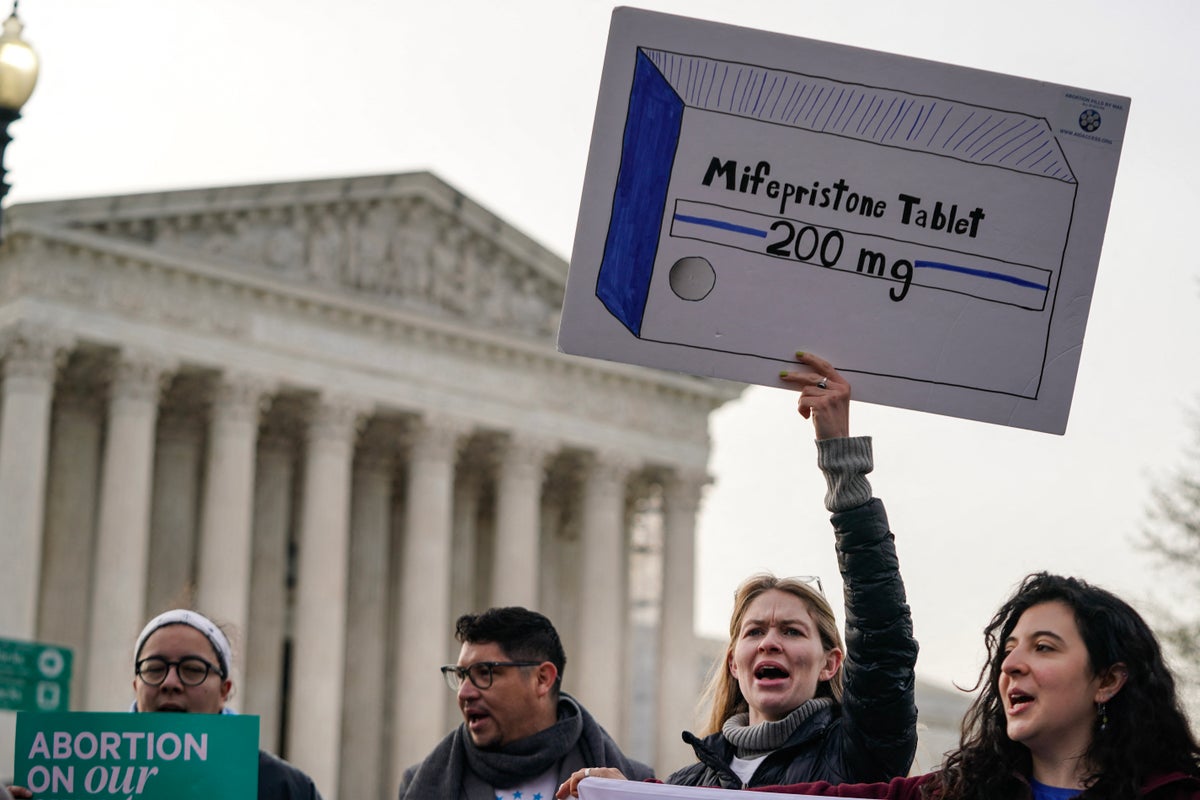
The Supreme Court just hit the pause button. Again. On May 14, 2026, the highest court in the land stepped in to stop a lower court order that would’ve basically nuked mail-order access to mifepristone. If you’re keeping score, this is the second time in two years the justices have had to save the most common method of abortion from a legal death sentence.
But don't mistake this for a permanent victory. Honestly, it’s more of a stay of execution. Meanwhile, you can explore similar events here: Viral Persistence and the Male Reproductive System The Mechanics of Hantavirus Latency.
The 7-2 decision blocks a ruling from the 5th Circuit that tried to drag us back to the pre-2016 era. They wanted to force patients to show up in person, end mail-order delivery, and cut the window for using the drug from ten weeks down to seven. For now, those rules stay in the trash. You can still get a prescription via telehealth. You can still get the pills in your mailbox.
But let’s be real. The legal gymnastics being used to kill this drug aren't going away. If anything, the dissenting opinions from Justices Thomas and Alito just gave the opposition a roadmap for the next attack. To understand the bigger picture, check out the detailed analysis by Psychology Today.
The Comstock Act is the new favorite weapon
The latest drama isn't just about whether the FDA did its homework. It’s about a zombie law from 1873 called the Comstock Act. In his dissent, Justice Thomas didn't hold back. He flat-out called shipping mifepristone a "criminal offense."
The Comstock Act was originally designed to stop the "obscene" from being mailed. We’re talking about everything from porn to "any drug, medicine, article, or thing" intended for abortion. For decades, this law sat gathering dust, mostly ignored by everyone. Now, it’s being framed as a national ban that doesn't even need a new vote in Congress.
Opponents in the Louisiana v. FDA case argue the FDA’s 2023 rules allowing pharmacy dispensing and mail-order delivery are illegal because they violate this 150-year-old statute. They’re claiming that by allowing these pills in the mail, the federal government is effectively running a "criminal enterprise."
It’s a bold, aggressive play. If a future administration decides to start enforcing the Comstock Act literally, the Supreme Court wouldn't even need to issue another ruling. Access would just stop.
Standing was the old hurdle but it’s been cleared
Back in 2024, the Supreme Court tossed out a similar challenge because the doctors suing didn't have "standing." Basically, they couldn't prove they were personally hurt by the drug being available. The court said you can’t sue just because you don't like a policy.
This time, the strategy changed. Instead of a group of doctors, we have states like Louisiana, Missouri, Idaho, and Kansas leading the charge. These states argue they are being harmed. Their logic? They claim mail-order pills make it harder for them to enforce their own state bans. They also claim they’re spending more on Medicaid and emergency care for patients who have "complications."
The 5th Circuit bought that argument. They ruled that Louisiana had enough skin in the game to sue. While the Supreme Court hasn't officially weighed in on whether they agree with that "standing" logic yet, the fact that they only issued a stay means the actual merits of the case are still pending. This thing is coming back.
The safety myth that won't die
The biggest piece of misinformation driving these lawsuits is the idea that mifepristone is dangerous. It’s not.
Since the FDA approved it in 2000, over 7.5 million people in the U.S. have used it. The serious complication rate is less than 1%. To put that in perspective, you’re more likely to have a major medical issue from taking Viagra, Tylenol, or getting your wisdom teeth pulled. Even carrying a pregnancy to term is statistically more dangerous than a medication abortion.
A 2026 study published in JAMA reviewed over 5,000 pages of internal FDA documents. The conclusion? The agency followed the science every step of the way. They didn't "rush" anything. They expanded access because the data showed that doing it via telehealth was just as safe as doing it in person.
Despite this, public perception is shifting. KFF polling shows that only 42% of adults now believe mifepristone is safe, down from 55% just a few years ago. The legal noise is working. When people hear "lawsuit" and "Supreme Court," they assume there must be a safety problem, even when the data says the opposite.
What this means for you right now
If you’re living in a state where abortion is legal, nothing changes today. You can still access medication abortion through your provider or via telehealth platforms like Hey Jane or Wisp.
If you’re in a state with a ban, the mail-order loophole is still your primary lifeline. Shield laws in states like Massachusetts and New York currently protect doctors who ship pills to patients in states where it’s banned. This Supreme Court stay keeps those operations running.
But you should prepare for more volatility. Here’s the reality:
- The 5th Circuit is still a factor. The case goes back to them for more hearings. They’ve already shown they’re willing to ignore FDA expertise.
- The election looms large. A change in the executive branch could lead to a "re-review" of mifepristone by a hand-picked FDA leadership. We’re already seeing calls for the FDA to pull the drug for a new, politically motivated safety audit.
- Stockpiling is happening. Many people are already seeking "advance provision" of these pills—getting them before they’re actually pregnant—just in case the mail stops.
The Supreme Court didn't "fix" the mifepristone issue. They just pushed the explosion down the road. We’re likely looking at a final, definitive ruling in late 2026 or early 2027. Until then, the gold standard of reproductive healthcare is hanging by a thread, depending on which way the legal winds blow in New Orleans and D.C.
Keep an eye on the Missouri v. FDA case as it moves through the courts in the coming months. That’s where the next attempt to cut off access will likely gain steam. For now, the pills are still in the mail, but the stamps are getting a lot more expensive in terms of legal risk.
If you need access or want to support those who do, looking into Plan C or local abortion funds remains the most practical move. Don't wait for the next court headline to figure out your options. The system is designed to be confusing, but the medicine is still there for those who know where to look.