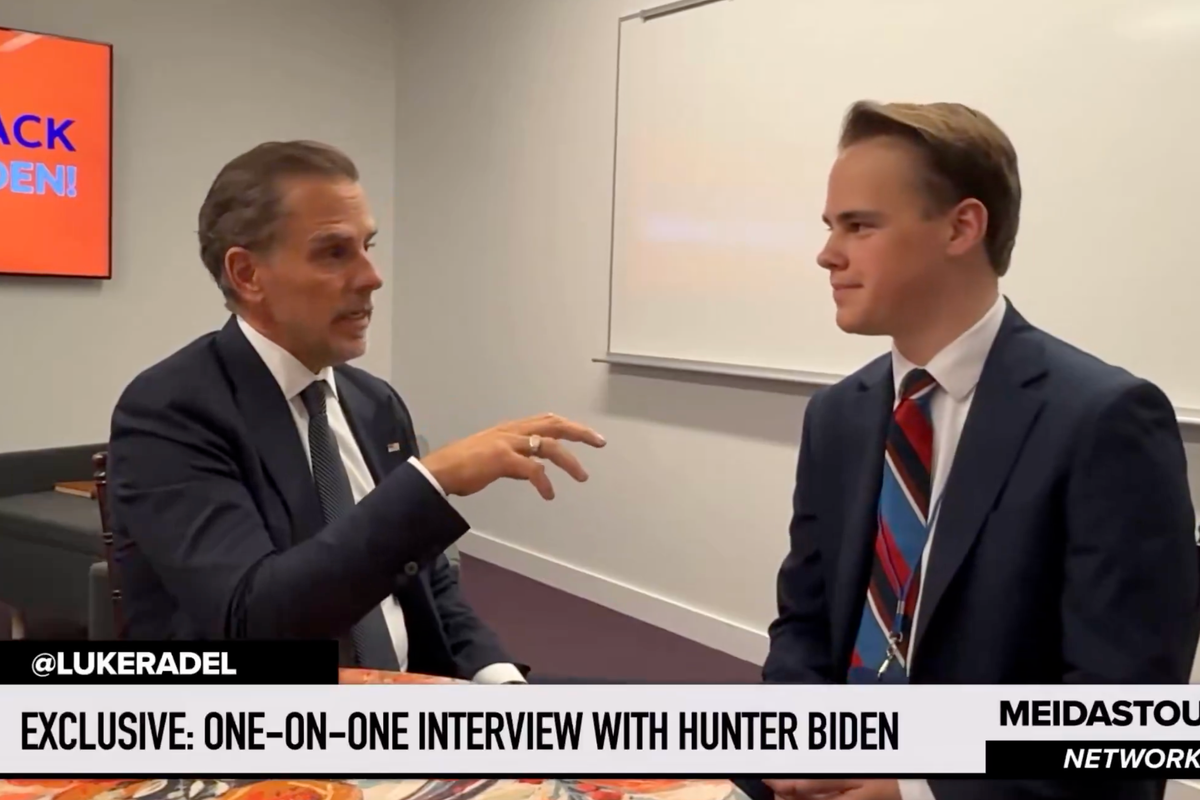
Hunter Biden is back in the public eye, not as a defendant, but as a vocal critic of what he calls the "unbounded hypocrisy" of the current administration. Speaking on the surge of Trump family business deals, the younger Biden pointed to a double standard that has become the defining feature of American political ethics in 2026. While the Biden family was raked over the coals for years regarding a single seat on a Ukrainian energy board, the Trump family is currently managing a global portfolio of crypto ventures, real estate developments, and licensing deals that dwarf any previous presidential financial entanglement.
The numbers are staggering. In 2025 alone, reports suggest the Trump family generated over $800 million from cryptocurrency assets. This isn't just a matter of private citizens making money; it is the systematic integration of a sitting president's brand into the global financial markets. From "World Liberty Financial" to "American Bitcoin," the lines between the executive branch and the family office have not just been blurred—they have been erased.
The Crypto Crown Jewel
The most aggressive expansion of the Trump brand has occurred in the digital asset space. Unlike traditional real estate, which requires years of development and local permitting, cryptocurrency allows for the instantaneous monetization of political influence.
Days before the 2025 inauguration, the family sold a nearly 50% stake in World Liberty Financial to a UAE government-linked entity for a cool $500 million. Shortly thereafter, the administration reversed long-standing restrictions to grant the UAE access to advanced U.S. semiconductors. The optics are more than just "problematic," a word often used by investigators to describe Hunter Biden’s past dealings. Here, the policy shifts and the payments occur in such close proximity that they create a gravitational pull on the very concept of neutral governance.
Licensing the White House
The Trump Organization has pivoted from being a builder to a licensor. This is a crucial distinction. By selling the name rather than owning the dirt, the family can extract tens of millions in "development fees" from foreign entities without the overhead of construction.
- Vietnam: A new resort project received the green light from the deputy prime minister at a ceremony just as tariff relief for Vietnamese goods was being discussed in Washington.
- Saudi Arabia: The planned "Trump Plaza" on the Red Sea is moving forward with a developer closely tied to the royal family.
- Oman and Dubai: New luxury villas and golf courses continue to bear the name, acting as physical monuments to the family’s reach while the patriarch sits in the Oval Office.
The Erasure of Ethics Rules
The fundamental "how" behind this wealth accumulation lies in a loophole that most Americans find hard to believe. The President of the United States is largely exempt from the conflict-of-interest laws that govern every other federal employee. While a mid-level manager at the Department of Agriculture cannot own stock in a seed company they regulate, the Commander-in-Chief can own a global empire.
The 1978 Ethics in Government Act was designed for a different era—one where presidents held their wealth in blind trusts consisting of blue-chip stocks or family farms. It was not built to handle a president who is a living, breathing brand. The "emoluments clause" of the Constitution, once a dusty relic of the founding era, has proven to be a toothless tiger in the face of modern corporate structures.
Selective Outrage as a Political Tool
The irony of the current situation is the silence from the same voices that spent four years investigating Hunter Biden’s laptop. The "hypocrisy" Hunter Biden refers to is the disparity in scale. His $35 million in total payments over a decade represents about 1% of what the Trump family has generated in the last year alone.
Yet, the political machinery of the 2020s has successfully shifted the focus from "conflicts of interest" to "personal character." Hunter Biden’s legal woes—his gun charges and tax issues—were personal failures that did not involve the apparatus of the state. Conversely, the Trump family's deals are institutional. They involve foreign governments, sovereign wealth funds, and global policy shifts.
The Cost of the New Normal
We are witnessing the birth of a new precedent. If the current model of presidential profiteering remains unchallenged, it becomes the blueprint for every future occupant of the White House. The office is no longer a temporary sacrifice of private interests for public service; it is the ultimate marketing platform.
When a government fund in a foreign country invests $2 billion into a crypto exchange linked to the President's family, the question isn't whether a crime was committed. The question is whether the United States still has a foreign policy that isn't for sale. Transparency is non-existent. The Trump Organization claims these are "private" deals, but in authoritarian or one-party states, there is no such thing as a truly private deal with the family of a world leader.
The sheer volume of these transactions makes traditional oversight impossible. There are no longer enough ethics lawyers in Washington to track every token sale or licensing fee. The system has been flooded, and in the deluge, the very idea of a "conflict" has lost its meaning. If everything is a conflict, then nothing is.
The abrupt reality is that the guardrails are gone. The precedent being set today ensures that the presidency will never again be a purely public office. It is now a global franchise, and the buy-in starts at nine figures.