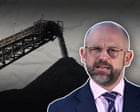
The air in the briefing room smelled of damp wool and burnt coffee. Outside, a grey Brisbane drizzle blurred the sharp edges of the high-rises along the river, but inside, the atmosphere was suffocatingly dry. A spreadsheet flashed on the projector screen. Rows of numbers, glowing in a harsh neon green, pulsed with a rhythm that felt entirely disconnected from the world of flesh and bone.
To the casual observer, those numbers signaled a triumph. A windfall. Billions of dollars in coal royalties had just flooded the state treasury, a direct result of global supply shocks that had driven commodity prices into the stratosphere. On paper, Queensland was rich.
But look closer at the faces of the analysts huddled around the table. There were no high-fives. No popping corks. Instead, there was a heavy, calculated silence. One analyst, a veteran of three economic cycles whose hair had gone the color of a wet slate shingle, tapped his pen against a single, ominous line item.
The credit rating.
Despite the sudden mountain of cash, Queensland’s AAA financial standing was teetering on a knife's edge. To understand why requires stepping away from the ledger books and looking at how a state, much like a family, can drown in debt while earning the highest salary of its life.
The Illusion of the Big Win
Imagine a hypothetical worker named Tom. Tom drives a haul truck in the Bowen Basin. For twelve months, global chaos sends the price of metallurgical coal through the roof, and Tom’s overtime bonuses double his usual take-home pay. He walks into the bank with his chest puffed out.
But Tom has a habit. Over the last decade, he has run up massive credit card debts to fund a lifestyle he could barely afford. He has a massive mortgage, a boat he rarely uses, and a history of spending every dollar before it hits his account. When the bank manager looks at Tom's bumper paycheck, the manager does not see a cured man. He sees a gambler who had a lucky night at the casino. The manager knows the luck will run out. The structural debt remains.
Queensland is Tom.
The coal royalty windfall was a lottery win, a temporary spike born of geopolitical turmoil rather than sustainable economic growth. Beneath that glittering surface lies a structural deficit that has been building for years. The state has committed to massive, long-term infrastructure projects, rising public sector wages, and escalating healthcare costs. These are not one-off expenses. They are permanent commitments.
When you fund permanent, recurring expenses with temporary, volatile windfalls, you invite disaster. The ratings agencies—the global gatekeepers of capital—know this. They do not grade a government on its luck. They grade it on its discipline.
The High Cost of Borrowing a Reputation
Why should someone living in a suburban rental in Logan or a property in Rockhampton care about a letters-and-numbers rating issued by a bunch of suits in New York or London?
Because reputation has a price tag.
When a state’s credit rating is downgraded, it does not just lose a badge of honor. It loses money. A lower rating means the state is viewed as a higher risk. To convince investors to buy its bonds, the government must offer higher interest rates.
Think of it as an interest rate hike on a massive, state-sized scale.
Every extra fraction of a percent paid to international bondholders is money that cannot be spent on upgrading the Bruce Highway. It is money stripped from regional hospitals. It is schools without air conditioning, and train networks left stuck in the last decade. A downgrade turns public money into interest payments, vanishing into the ether without laying a single brick or hiring a single nurse.
The tension in that Brisbane briefing room stemmed from a simple, brutal reality: Queensland's debt trajectory is moving upward so fast that even a historic mining boom cannot arrest the momentum. The cash injection is acting as a temporary tourniquet, but the underlying wound is still bleeding.
The Volatility Vortex
Relying on commodity royalties to balance a budget is like building a house on a sand dune during cyclone season.
One year, the global demand for steel surges, and the cash registers ring. The next year, technology shifts, a major trading partner changes its policy, or global supply chains normalize. Suddenly, the price of coal plummets. The windfall evaporates like morning mist in the outback.
But those infrastructure projects the government started? They still need funding. The public servants hired during the boom? They still need to be paid.
When the revenue drops and the spending stays high, the deficit gaps widen instantly. The state is forced to borrow even more just to keep the lights on, accelerating the spiral toward a formal downgrade.
The real danger is not the day the rating changes. The danger is the structural blindness that leads to it—the belief that the good times will never end, or that a single resource can carry the weight of an entire society indefinitely.
The Human Ledger
As the meeting wrapped up, the projector clicked off, plunging the room into the dim afternoon light. The veteran analyst packed his laptop into his leather bag. He looked out the window toward the parliament buildings across the river.
The debate in the public square would undoubtedly be loud and simplistic. Politicians would point to the billions in revenue and claim prosperity had arrived. Opponents would point to the debt and predict ruin.
But the truth lives in the quiet math.
A state cannot spend its way out of structural trouble using temporary fortune. The gold in the ground belongs to the future as much as it does to the present. If it is squandered on short-term political wins while the foundational balance sheet cracks, the cost will not be borne by the politicians or the analysts.
It will be paid by the kids sitting in crowded classrooms, the patients waiting in emergency rooms, and the taxpayers who will be left to service the debt long after the coal boom has become a memory.
The windfall is here today. The bill arrives tomorrow.