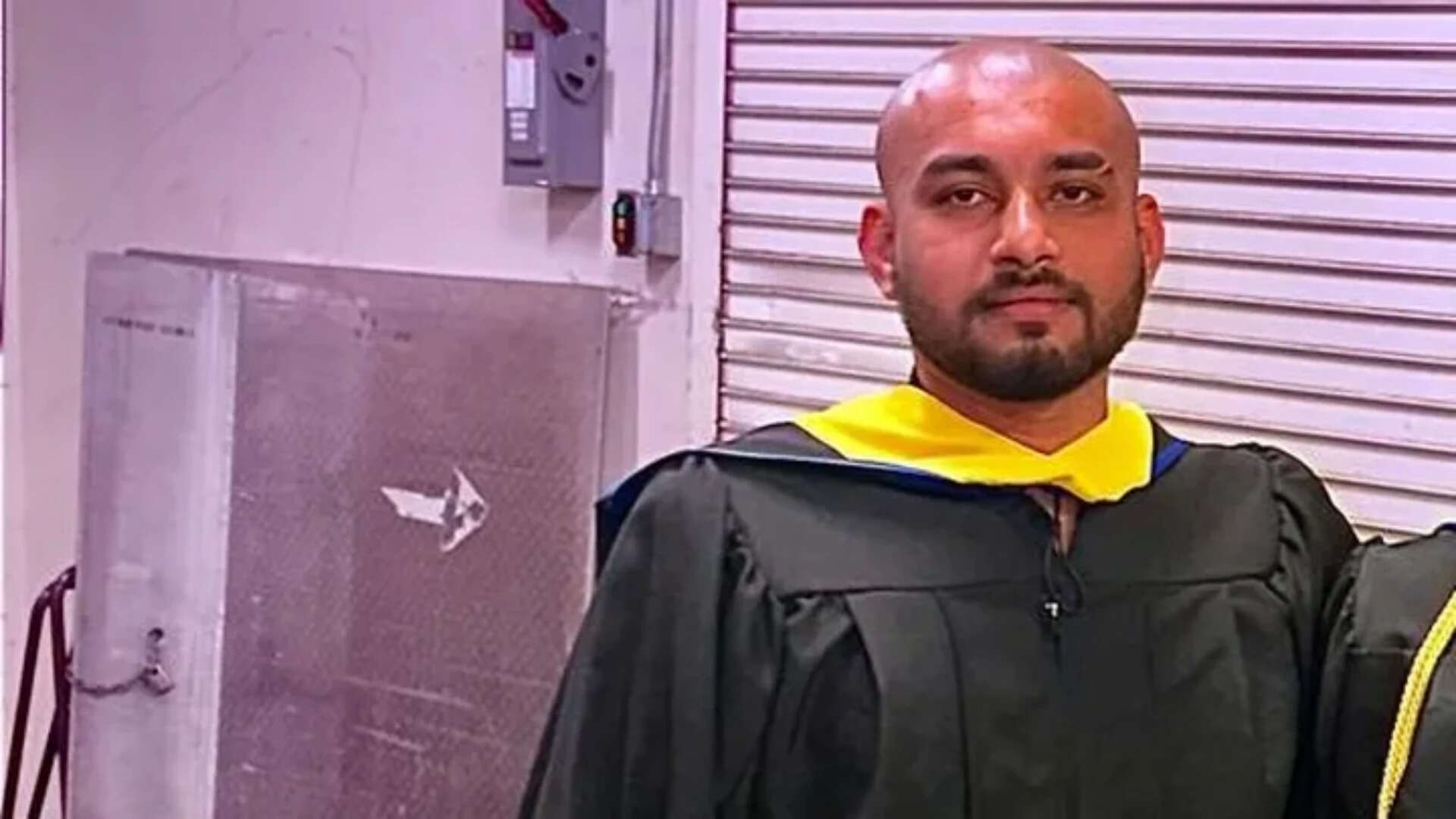
A 26-year-old Indian student finishes his Master’s, walks across a stage in the United States, and drops dead of a heart attack twenty-four hours later. The media plays its favorite tune: the "tragic fluke." They frame it as a freak biological glitch, a lightning strike in a clear sky.
They are lying to you.
There is nothing "freak" about a cardiovascular collapse in a twenty-something who has spent two years living on a diet of cortisol, caffeine, and systemic neglect. We are witnessing the industrialization of burnout, particularly among the international student population, and we are calling it "ambition." It isn't ambition. It’s a slow-motion suicide pact signed in the pursuit of a visa.
The Myth of the "Healthy" Young Heart
The standard reaction to these headlines is disbelief. "He was so young," the comments sections cry. This disbelief is rooted in an outdated medical understanding of how stress interacts with the human body. We have been conditioned to believe that heart disease is a "grandfather’s problem"—the result of forty years of steak dinners and sedentary office work.
The reality? Stress doesn't wait for you to retire.
When you transplant a high-achieving individual from a familiar support system into the hyper-competitive, high-stakes pressure cooker of a U.S. graduate program, you aren't just changing their zip code. You are re-wiring their sympathetic nervous system.
Chronic stress triggers a persistent "fight or flight" response. This isn't just a feeling; it is a chemical onslaught. Adrenaline increases your heart rate and blood pressure. Cortisol increases sugars in the bloodstream. In short bursts, this helps you pass a midterm. Over two years? It causes arterial inflammation and plaque instability.
For many international students, the "graduation walk" isn't a celebration. It is the moment the body finally stops holding its breath. And when the body finally exhales, the systems that were held together by sheer willpower simply snap.
The Immigrant Tax on Longevity
Let's talk about the specific pressures that the "lazy consensus" ignores. A domestic student fears a bad grade. An international student fears deportation, the loss of a six-figure investment, and the collective shame of an extended family back home.
This is a unique physiological burden. I have sat in rooms with these students. I have seen the "all-nighter" culture rebranded as a badge of honor. It is a death cult.
- Sleep Deprivation as a Metric of Success: We know that sleeping less than six hours a night increases the risk of sudden cardiac death. Yet, in the competitive circles of STEM and business grad programs, sleep is treated as a luxury for the uncommitted.
- Nutritional Poverty: High tuition and skyrocketing rent in US college towns mean students often survive on the cheapest, most inflammatory ultra-processed foods available. You cannot build a resilient heart on ramen and energy drinks.
- The "Success at All Costs" Fallacy: There is a narrative that you must suffer now to live later. But the biological bill always comes due. Your heart does not care about your GPA or your H-1B visa status.
Challenging the "Tragic Accident" Narrative
When a bridge collapses, we don't call it a tragedy; we call it a structural failure. We investigate the load-bearing capacity and the materials used.
When a 26-year-old dies after graduation, we must look at the structural load. These students are bearing the weight of a broken immigration system, predatory tuition costs, and a cultural expectation that they must be "superhuman" to justify their presence in the country.
The medical community often misses this because they look for traditional risk factors. Smoker? No. Obese? No. High cholesterol? Maybe not yet. But if you measured their heart rate variability (HRV) or their C-reactive protein (CRP) levels during finals week, you would see a body in a state of emergency.
We are ignoring the Global South Heart Attack Epidemic. Research has shown that South Asians, in particular, are genetically predisposed to develop heart disease 5–10 years earlier than other populations. Combine that genetic vulnerability with the extreme environmental stressors of the US corporate-academic machine, and you have a recipe for the very headlines we are reading today.
Stop Celebrating the Grind
If you are a student or a young professional reading this, understand one thing: The "grind" will not love you back.
The industry insiders who tell you to "pay your dues" by working 80-hour weeks and skipping vacations are usually the ones with the best healthcare and the least to lose. They are selling you a version of the American Dream that requires you to be a martyr.
We need to stop valorizing the struggle.
- Dismantle the "Hustle" Identity: If your identity is tied entirely to your output, you will ignore the warning signs your body is sending you. Chest tightness isn't "anxiety"; it’s a warning.
- Demand Structural Change: Universities need to do more than offer a "mental health app." They need to address the actual causes of stress: financial instability, visa uncertainty, and the toxic competitiveness of their departments.
- Acknowledge the Biological Reality: You are an organism, not a machine. You require restorative sleep, micronutrients, and social connection to function. These aren't "self-care" tips; they are survival requirements.
The Brutal Truth
The death of a student on the cusp of their professional life isn't just a personal loss for a family in India. It is a systemic indictment of how we treat talent. We import the best minds, squeeze them for every ounce of productivity, and then act surprised when they break.
The "graduation walk" should be the beginning of a life, not the end of a capacity to survive. If we don't change the narrative around success and the cost of the "immigrant dream," we will continue to see young, brilliant lives extinguished just as they reach the finish line.
Stop asking how this happened. Start asking why we expected any other result from a system that treats human beings like disposable batteries.
Go to sleep. Eat a real meal. The visa isn't worth your life.