The mirror shows a stranger, and for the first time in twenty years, that is a comfort.
For Marcus, a fifty-two-year-old high school history teacher who spent his adult life carrying an extra eighty pounds, the change felt biblical. The constant, gnawing hunger that used to dictate his schedule simply vanished three weeks after his first injection of semaglutide. The weight followed it out the door. His reflection grew sharper. His waist tightened.
But a quiet trade was happening under the surface, unprompted and largely unnoticed.
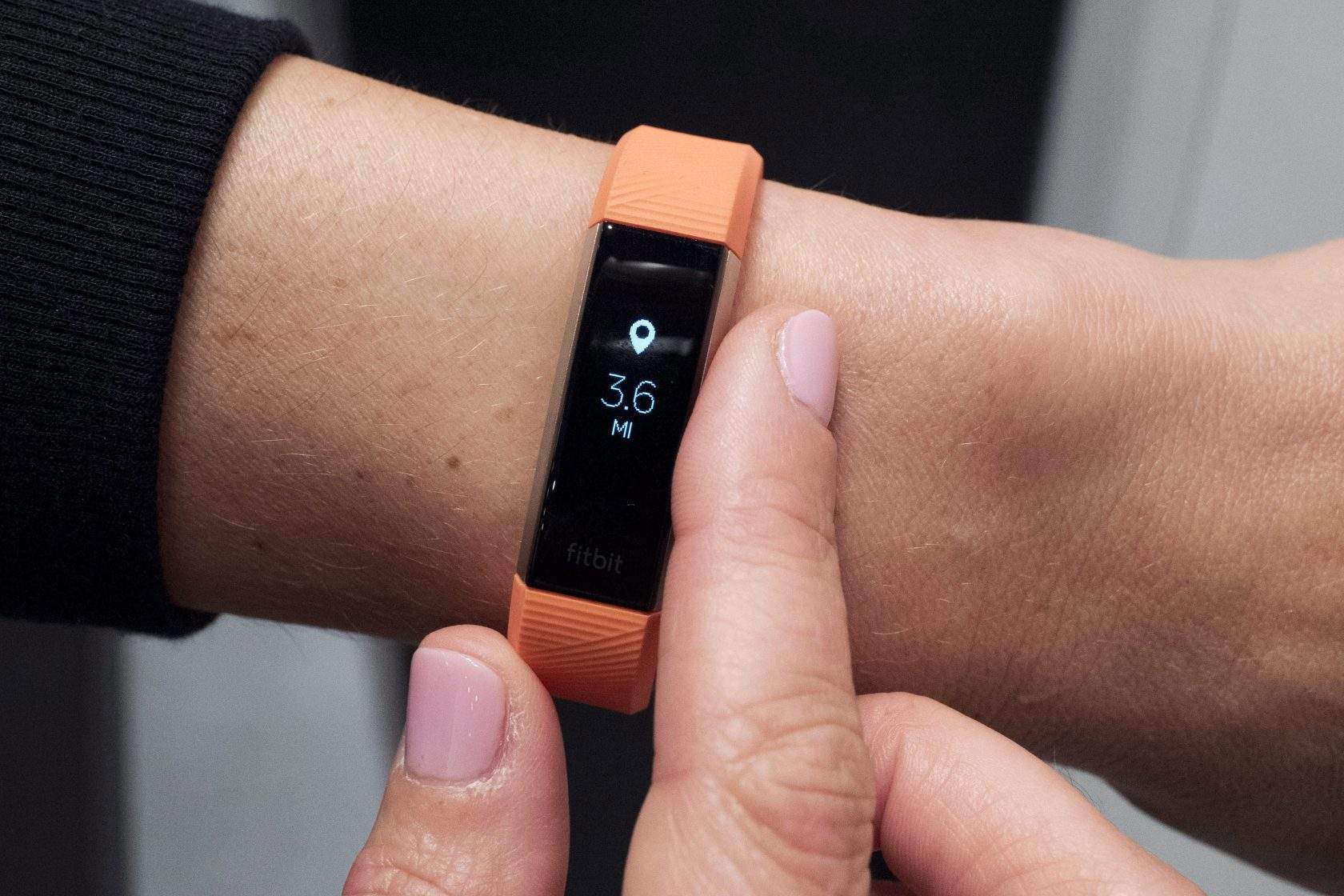
Marcus used to walk the length of the school hallways during his free periods, fueled by a frantic, self-imposed guilt to "burn off" his lunch. He would force himself onto the treadmill every evening, checking his digital fitness tracker with the anxious intensity of a man trying to outrun his own biology.
Now, the biology was taken care of by a weekly click of a pen. The urgency evaporated.
He didn't make a conscious decision to stop moving. He just stopped pushing. When the school bell rang, he sat at his desk instead of pacing the linoleum. When he got home, he sat on the porch. His body was lighter, yet his boots felt filled with lead.
A massive, real-world study presented at the Endocrine Society annual meeting in Chicago analyzed data from the National Institutes of Health’s All of Us Research Program. By linking electronic health records directly with wearable fitness trackers, researchers watched the daily habits of nearly eight hundred adults before and after they started GLP-1 medications.
The data revealed a striking, counterintuitive reality.
People were not moving more as they grew lighter. They were moving less.
On average, daily step counts fell from 5,047 down to 4,487. More critically, the precious minutes spent in moderate-to-vigorous physical activity shrank from twenty-eight minutes a day down to just twenty-two. The steepest declines occurred in men and individuals who already lived with chronic joint or muscle pain.
We have spent decades operating under a simple, seemingly logical assumption: if you lift the heavy burden of chronic weight from a person's body, they will naturally fly. We believed the weight itself was the cage, and once the door opened, the patient would run.
The data proves that assumption wrong. The expected rebound in movement never arrived.
To understand why Marcus and hundreds of thousands of others are sitting down just as they are getting leaner, you have to look into the survival mechanisms of the human brain. We are wired to conserve energy. For millennia, our ancestors survived by avoiding unnecessary exertion. We only moved when it was strictly necessary for survival, or deeply rewarding.
For the modern chronic dieter, exercise was rarely rewarding. It was a punishing transaction—an hour of sweat traded for a fraction of a pound on the scale.
When a medication like semaglutide or tirzepatide removes the weight effortlessly, the transaction loses its logic. If the scale is moving down while you sit on the couch, the ancient, resource-saving brain asks a simple question: why walk?
But the real problem lies elsewhere, hidden deep within the architecture of our muscles.
Weight loss is a violent process for the body. When you slash your caloric intake by thirty percent practically overnight, your body does not just burn through its fat reserves. It looks for quick fuel elsewhere. It attacks your lean muscle tissue.
Up to one-third of the weight shed during rapid GLP-1 therapy can come directly from muscle mass. Muscle is the quiet engine of your resting metabolism. It is the scaffolding that holds your joints together. It is the primary site where your body processes glucose.
Consider what happens next when you combine that cellular muscle loss with a sudden drop in daily steps.
Marcus noticed it when he tried to lift a bag of mulch into his trunk. He was forty pounds lighter than he had been the previous summer, but the bag felt twice as heavy. His knees, which used to ache from carrying his weight, now wobbled from a lack of support. He was becoming a smaller, but structurally weaker, version of himself.
This is the phantom side effect of the medical weight-loss revolution. We are trading fat mass for muscle mass, and we are doing it while silencing the very behavior required to protect our frames: spontaneous movement.
The fatigue is another thief. The deep caloric deficit caused by a suppressed appetite leaves the body operating on low battery. The thought of a brisk walk or a session with resistance bands feels less like a healthy choice and more like an impossible chore.
The risk multiplies exponentially if a patient decides to stop taking the medication.
Clinical history shows that for many, the hunger returns with a vengeance once the injections stop. If you have spent a year losing weight while reducing your physical activity, you have effectively dismantled your body's metabolic engine. When the weight returns, it does not return as muscle. It returns entirely as fat.
You are left with a higher body fat percentage, a slower metabolism, and less physical strength than when you began your first dose.
This is why the clinicians leading the wearable-tracker research are sounding an urgent alarm. The medicine cannot exist in a vacuum. Exercise can no longer be treated as an optional lifestyle recommendation scribbled on the back of a prescription pad. It must be built directly into the protocol.
Marcus had to learn this the hard way, staring at a bag of mulch he couldn't easily lift.
He didn't need a lecture on cardiovascular health. He needed to redefine why he moved. He had to stop viewing exercise as a tool to lose weight, and start viewing it as a shield to protect his strength.
He bought a set of simple dumbbells for his living room. He set an alarm on his phone to force himself out of his classroom chair every sixty minutes. He began counting his steps again, not with the frantic desperation of a man trying to shrink, but with the quiet determination of a man trying to stay strong enough to carry his own life.
The needles can change the numbers on the scale. They can silence the noise in the mind. But they cannot build the muscle required to stand tall in a lighter world.
Movement is not a variable we can afford to automate.
The scale reads 185 pounds, but Marcus is no longer looking at the numbers. He is listening to the quiet, rhythmic sound of his sneakers hitting the pavement in the dark, earning back the strength that the medicine tried to steal.