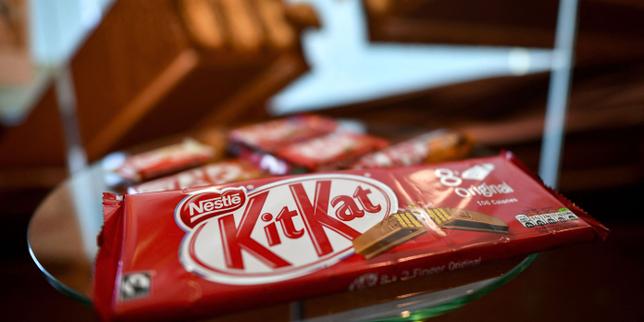
Twelve tons of KitKats don't just vanish into thin air without someone noticing. Yet, that’s exactly what happened in a high-stakes cargo theft that has Nestlé scrambling and chocolate lovers facing a very grim reality. If you were planning on stocking up for the holiday, you should probably start looking at the shelves right now. This isn't just about a few missing snacks. It’s a massive logistical hit that targets the exact moment when demand for the "Have a break" bar hits its annual peak.
Nestlé recently issued a warning that sounds more like a police blotter than a corporate update. A shipment containing roughly 12 tonnes of KitKat bars was intercepted and stolen in Europe. While the company is working with law enforcement, the immediate fallout is clear. There's a looming shortage. You’ll likely see gaps on the shelves precisely when you need those red-wrapped bars for Easter egg hunts and family baskets.
Why This Theft Hits Harder Than a Standard Robbery
Cargo theft is a growing nightmare for global brands, but the timing here is brutal. Most people don't realize how razor-thin the margins are for seasonal supply chains. For a product like KitKat, the lead-up to Easter involves months of synchronized production and shipping. When 12 tonnes go missing, you can't just flip a switch and make 12 more tonnes overnight. The factory lines are already booked. The trucks are already scheduled for other deliveries.
We're talking about a sophisticated operation. This wasn't a random snatch-and-grab at a rest stop. To move 12 tonnes of chocolate, you need heavy machinery, a dedicated fleet, and a place to offload the goods quickly before the temperature ruins the product. Chocolate is notoriously difficult to "fence" because it’s perishable and requires climate control. This suggests the thieves already had a buyer or a distribution network lined up.
The Reality of KitKat Shortages This Spring
Nestlé is doing damage control, but they’ve been honest about the risk of a KitKat shortage. They aren't just worried about the lost revenue from those specific bars. They’re worried about the "empty shelf" effect. When a customer goes to the store and sees their favorite brand is missing, they buy a competitor. That’s a long-term loss of loyalty that costs way more than the value of the stolen cargo.
The shortage won't hit every corner of the globe equally. Europe is the primary "danger zone" since the theft occurred on European soil, but the ripple effects are real. Supply chains are interconnected. If Nestlé has to reroute stock from one region to cover the hole in another, everyone feels the squeeze. You might notice higher prices or fewer "bulk buy" discounts as retailers try to manage the limited inventory they actually have on hand.
How Professional Thieves Target Your Snacks
You might wonder who wants 12 tonnes of chocolate. The answer is anyone with access to the "grey market." Stolen food items are often sold to smaller, independent retailers or discount shops that don't ask too many questions about where the pallets came from. It's untraceable cash. Unlike electronics, chocolate doesn't have serial numbers that can be tracked or remotely disabled. Once it's out of the wrapper, it's just chocolate.
- The Logistics Trap: Thieves often use "fictitious pickup" schemes where they pose as legitimate drivers with forged documents.
- The Temperature Factor: Since KitKats melt, these criminals have to be fast. This implies a level of professionalism that most street-level crooks simply don't have.
- The Seasonal High: Stealing chocolate in July is a waste of time. Stealing it weeks before Easter is a strategic strike on a high-demand commodity.
What You Should Do Before the Shelves Go Bare
Don't panic buy, but don't wait until the Saturday before Easter either. If KitKats are a non-negotiable part of your holiday tradition, buy them now. Honestly, the supply chain was already stressed by rising cocoa prices and shipping delays in other parts of the world. This heist is just the cherry on top of a very messy sundae.
Retailers are likely to prioritize their largest accounts. This means big supermarket chains might stay stocked while smaller local shops struggle to get their orders filled. If your regular spot is out, you'll have to go hunting. Keep an eye on the "Best Before" dates if you do find them in weird places; stolen goods that sit in uncooled warehouses for too long will develop "bloom"—that white, chalky coating that happens when chocolate gets too warm.
The Bigger Picture of Food Security and Theft
This incident highlights a massive vulnerability in how we get our food. We rely on a "just-in-time" delivery model. It’s efficient until it isn't. When one link in the chain breaks—or gets hijacked—the whole system stutters. Nestlé is a massive corporation with deep pockets, and even they are struggling to bridge the gap left by one single stolen shipment.
You should also expect a slight uptick in security costs being passed down to the consumer. Companies are now investing more in GPS tracking for individual pallets and more rigorous vetting for third-party logistics providers. It’s a cat-and-mouse game where the stakes are your afternoon snack.
Check your local pantry or grocery app today to see if stock levels are dipping. If you see the "temporarily out of stock" notice, you know exactly why. Grab what you need for the holiday weekend sooner rather than later to avoid the inevitable rush and the disappointed kids.