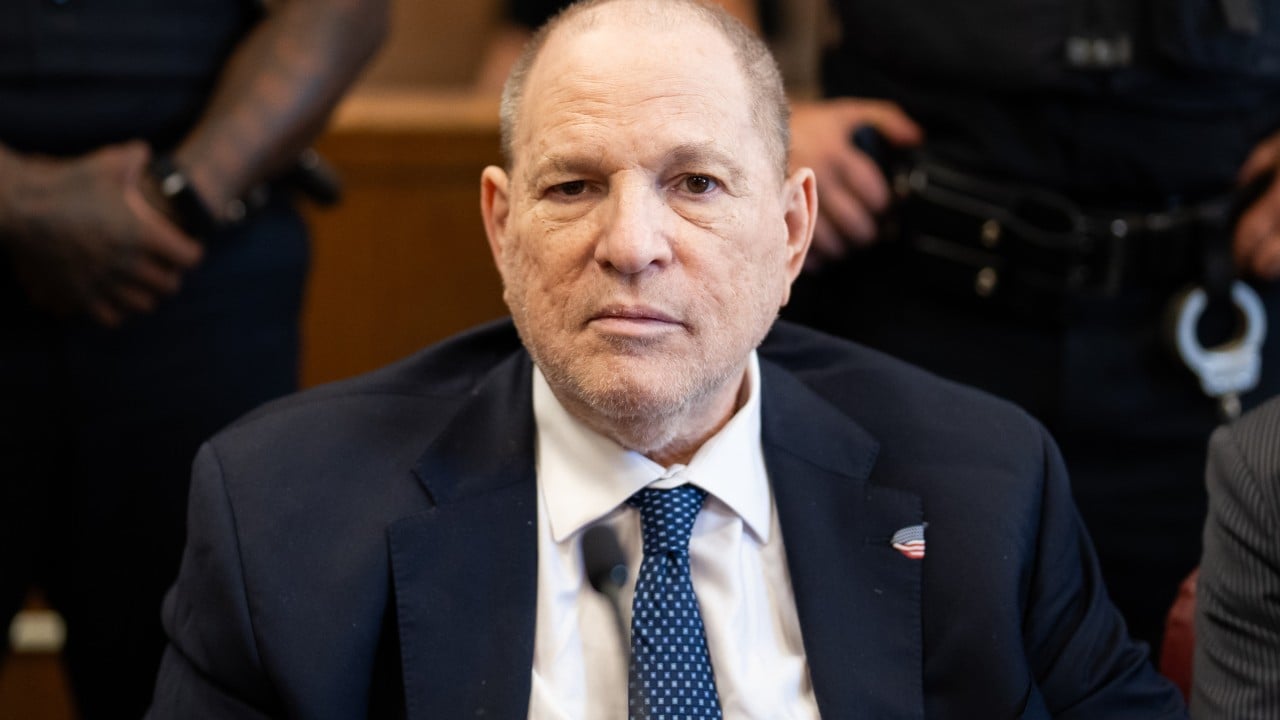
The headlines are bleeding collective outrage. Harvey Weinstein’s final remaining New York rape charge was dropped because the complaining witness decided she could not endure the grueling circus of a fourth trial.
The media consensus is as predictable as it is lazy. Outlets are framing this development as a systemic failure, a tragic collapse of justice, and proof that the legal system is fundamentally broken. They are weeping over the keyboard, lamenting that a broken process allowed a monster to walk away from his final day of reckoning in a Manhattan courtroom.
They are completely wrong.
The dropping of these charges isn't a failure of the American justice system. It is a demonstration of its core strength. The system is designed to make conviction incredibly difficult, painfully repetitive, and emotionally punishing. It is supposed to favor the defense at every turn, even when the defendant is the most reviled man in modern culture.
When we celebrate systemic shortcuts just because we hate the guy in the dock, we destroy the very mechanisms that protect the innocent. Weinstein is a convicted felon serving a 16-year sentence in California. He is not escaping into the sunset. Yet the media treats this dropped New York charge as a catastrophic loophole.
Let's dissect the reality of why this happened, why it matters, and why the current emotional meltdown over the ruling misses the point entirely.
The Myth of the Automated Conviction
The public has been conditioned by decades of true-crime television to view trials as moral plays where the bad guy gets unmasked, the gavel drops, and closure is served on a silver platter.
Real courts do not care about closure. They care about due process.
When the New York Court of Appeals overturned Weinstein’s 2020 conviction, it did so because the trial judge allowed "Molineux" witnesses—women whose allegations were not part of the actual criminal charges—to testify purely to establish a pattern of bad behavior. I have watched prosecutors use this tactic for decades to poison the well when their core case is weak. It is a shortcut. The appeals court correctly ruled that a defendant must be tried for the specific crimes listed in the indictment, not for being a generally abhorrent human being.
"If you change the rules of evidence to secure a conviction against a villain, you change the rules of evidence for every citizen who follows."
When prosecutors were forced to go back to the drawing board without their stack of prejudicial character witnesses, the structural integrity of their remaining case collapsed. The defense did its job. It filed motions, demanded discovery, and forced the state to prove its case using only the legally permissible facts.
The Toll of the Witness Stand is a Feature Not a Bug
The mainstream narrative is currently weaponizing empathy, arguing that it is a tragedy the accuser had to withdraw due to the psychological toll of a potential fourth trial.
It is a human tragedy. It is agonizing to be cross-examined by elite defense attorneys for hours on end. But the emotional exhaustion of a witness cannot be the metric by which we measure criminal justice.
The Sixth Amendment guarantees the right to confront your accuser. That confrontation is meant to be rigorous, adversarial, and deeply uncomfortable. It is designed to test memories, expose inconsistencies, and break down narratives under pressure. If a case cannot survive that crucible—for whatever reason, including the perfectly understandable human limit of the witness—the state cannot deprive a person of liberty.
To argue that the state should just skip the grueling trial phase or rely on past depositions because a witness is tired is an argument for totalitarianism. We do not accept "good enough" when a man's freedom is on the line, regardless of how much we despise his character.
Why the Pundits Are Asking the Wrong Questions
If you look at the "People Also Ask" columns online, the queries are absurdly naive:
- Why did Harvey Weinstein get off? (He didn't; he's in prison).
- Is the New York justice system rigged for the wealthy? (Money buys better lawyers, but it didn't stop his conviction from being overturned on pure, dry black-letter law).
The public is asking how the system failed to punish a bad guy further. The real question we should be asking is: Why did the Manhattan District Attorney's office blow this case so badly the first time around that an appeals court had no choice but to throw it out?
The blame for this outcome does not belong to a tired witness or a broken system. It belongs to a prosecution team that got greedy in 2020. They relied on prejudicial testimony because they wanted a slam-duck media victory, knowing damn well they were building a house of cards on appeal. They prioritized a immediate public relations win over sustainable legal victories.
The Cold Reality of the Defense Wins
I have spent years analyzing high-profile corporate and criminal litigation. The common thread among amateur observers is the belief that justice is an objective truth waiting to be uncovered.
It isn't. Justice in an American courtroom is a procedural game played within strict boundaries.
When the rules are broken by the state, the defense wins. That is the ultimate check on government power. If the DA can bend the rules to convict Harvey Weinstein because society collectively agrees he deserves it, the DA can bend the rules to convict a regular citizen tomorrow.
Admitting this truth feels ugly. It feels like defending a predator. But true systemic integrity means standing up for the rules even when they benefit the worst among us.
The New York case is dead. The California conviction remains. The sky is not falling, the MeToo movement did not lose, and the legal system did exactly what it was designed to do: it refused to convict a man on a compromised foundation.
Stop demanding a system that guarantees convictions based on public sentiment. You really don't want to live in the world that creates.