You are probably staring at the fuel pump right now wondering if someone accidentally switched the numbers with a premium steakhouse menu. The national average for a gallon of regular unleaded has hit $4.56. That is up an eye-watering $1.38 from this exact time last year. It is the highest price drivers have faced ahead of Memorial Day weekend since 2022, when the average sat at $4.61 before shattering the $5 barrier.
Yet, Americans are hitting the blacktop anyway. Roughly 39.1 million people plan to drive at least 50 miles over the four-day weekend. That actually beats last year’s road trip volume. If you think high prices force people to cancel their vacations, you are misunderstanding how consumers treat their time off.
The Unforgiving Cost of the Strait of Hormuz Closure
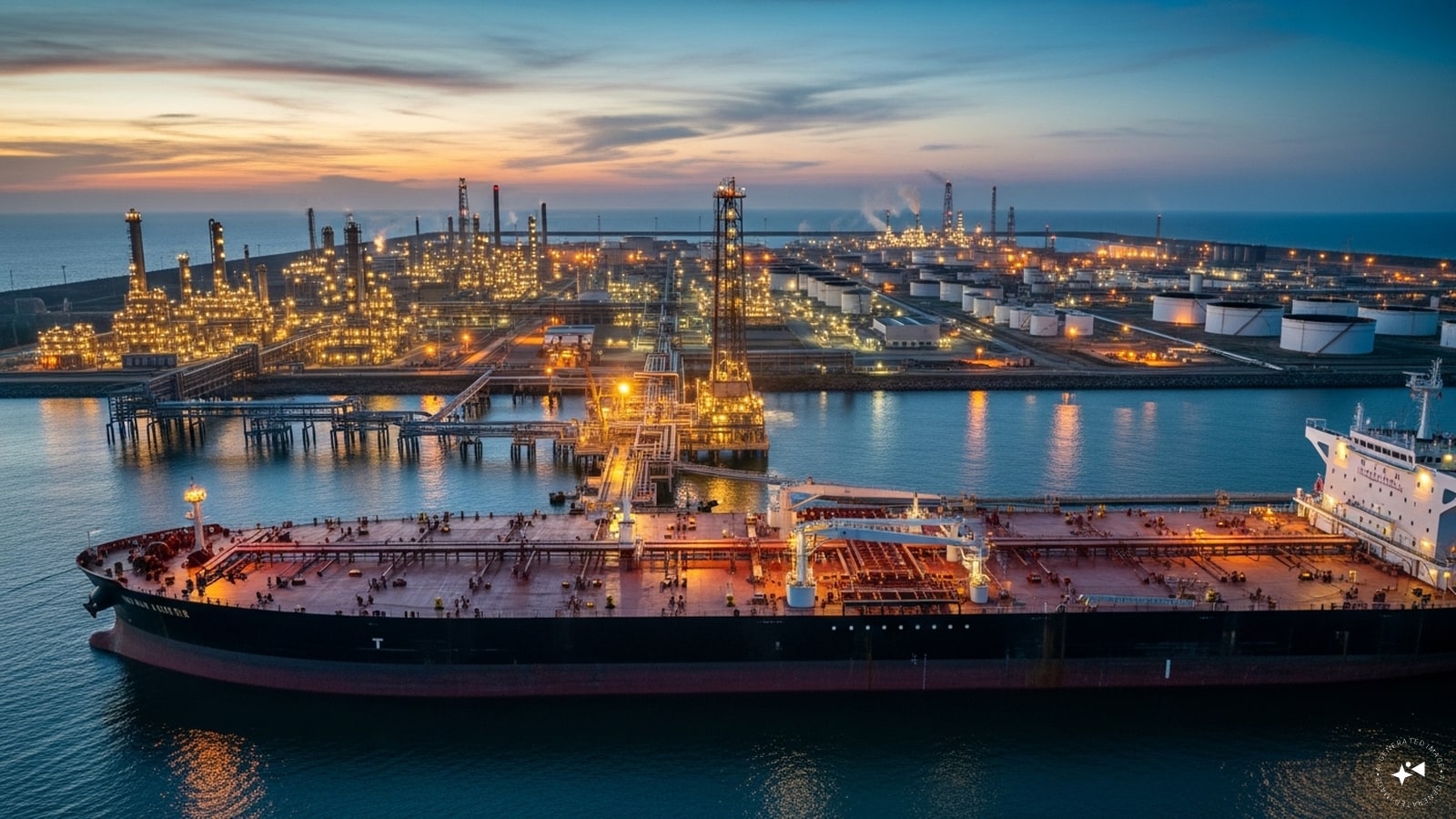
We can stop blaming the usual corporate greed or vague seasonal shifts for this particular price spike. The current reality is geopolitical. The conflict with Iran has hit its three-month mark, and the continued, effective closure of the Strait of Hormuz is choking global oil infrastructure.
Because crude oil accounts for well over half of what you pay for a finished gallon of gasoline, any hiccup in international maritime trade routes shows up at your local station within days. West Texas Intermediate crude is trading heavily around $107 a barrel.
Patrick De Haan, the head of petroleum analysis at GasBuddy, noted that American drivers will burn through an extra $2 billion on gasoline over this holiday weekend alone compared to last year. That means we are collectively bleeding roughly $22 million per hour just to keep our wheels turning. De Haan also pointed out that 19 states—including Colorado, Ohio, Missouri, and New Mexico—are on track to set all-time record highs for Memorial Day weekend pricing.
The pain is highly regional. If you live on the West Coast, you are experiencing an entirely different economic environment than drivers in the Gulf Coast.
California leads the nation with a crushing average of $6.14 per gallon, followed closely by Washington at $5.78 and Hawaii at $5.64. Oregon and Alaska round out the most expensive markets, both sitting well above $5.20.
On the flip side, you can find a bit of relative relief if your route cuts through the South. Mississippi offers the cheapest fuel at $4.01, with Georgia and Indiana hovering just above $4.03. Texas, long the king of cheap gas, has seen its statewide average tick up to $4.09.
Why High Pump Prices Fail to Stop Road Trips
Economic theorists love talking about price elasticity. They argue that when things cost more, people buy less. It sounds logical in a classroom, but it falls apart during major national holidays.
Holiday travel demand is incredibly inelastic. When families spend months planning a summer kickoff trip, booking non-refundable beach rentals, or promising kids a trip to see grandparents, they do not pull the plug over an extra $60 at the pump. They just swallow the bitter pill and cut back somewhere else.
You will see the impact of these prices inside the convenience stores and regional restaurants along the highways, not on the asphalt. Instead of sit-down dinners on the road, families pack coolers. Instead of buying premium snacks at the rest stop, they buy in bulk before leaving home. Travel sentiment remains fiercely resilient because people prioritize their limited leisure time over optimal budgeting.
Electric Vehicle Drivers are Not Dodging the Inflation Bullet
If you traded your internal combustion engine for an electric vehicle thinking you would completely escape the holiday travel tax, check the public charging rates before you leave your driveway. Energy grids and charging networks face their own seasonal pricing pressures.
The national average for public EV charging sits steady at 41 cents per kilowatt-hour, but the regional volatility mirrors the gasoline market. West Virginia is the most expensive state for public juice at 52 cents per kWh, with Hawaii and Alaska right behind them. Even California charging networks are averaging 46 cents per kWh.
If you want the cheapest electrons, you need to be charging in Kansas at 29 cents per kWh or Missouri at 32 cents. The takeaway here is clear. Travel inflation is hitting every vehicle type, just through different cords and nozzles.
How to Protect Your Wallet on the Road Right Now
You cannot change global oil supplies, but you can change how you buy what is left. Stop pulling off the highway at the first massive sign you see. Stations positioned directly next to major interstate exits regularly charge a 20-cent to 40-cent premium simply for convenience.
- Use mapping apps strategically: GasBuddy and AAA TripTik track real-time price updates. A station two blocks away from the highway exit is almost always cheaper than the one staring at the off-ramp.
- Leverage warehouse clubs: If you hold a membership to Costco or Sam's Club, use their pumps. Even with the holiday lines, the per-gallon savings easily outpace standard commercial stations.
- Fix your driving habits: Aggressive acceleration and sustained high speeds ruin fuel efficiency. Dropping your highway speed from 80 mph to 70 mph can improve your fuel economy by up to 14%.
With national gasoline stockpiles sitting at their lowest seasonal levels since 2014, these prices are not a temporary blip that will vanish by Tuesday morning. Analysts from JPMorgan Chase are already pointing to $5 national averages as a distinct possibility for June. If you are driving this weekend, accept the cost, alter your spending on the road, and keep your foot off the floorboard.