The headlines are predictable. They focus on the body count in a single hospital strike in Sudan because seventy deaths is a number the human brain can almost wrap itself around. The World Health Organization (WHO) issues a statement, the international community expresses "deep concern," and the news cycle moves on to the next tragedy.
This hyper-focus on kinetic events—strikes, shells, and bullets—is not just narrow-minded. It is a form of malpractice. By fixating on the immediate violence, we are ignoring the systemic collapse that is killing thousands more in the shadows. We are counting the wrong bodies.
The Mirage of the Single Event
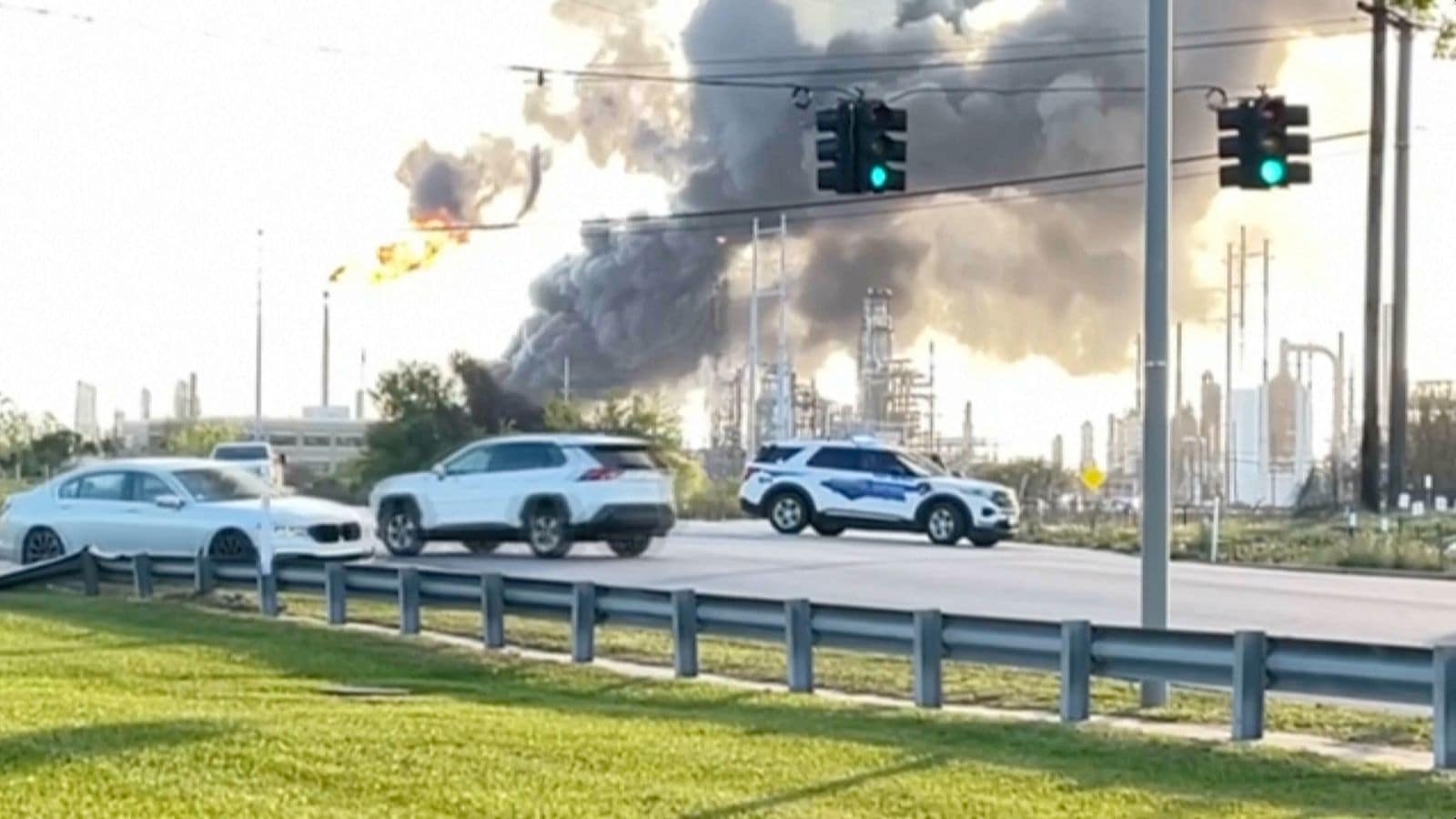
When the WHO reports 70 dead at a facility like the Al-Fashir hospital, the world reacts as if the tragedy is contained within those four walls. It isn't. The real catastrophe isn't the strike itself; it’s the vacuum it leaves behind.
In a war zone, a hospital is an ecosystem. When one goes down, the mortality rate of every surrounding zip code spikes, not because of shrapnel, but because of manageable conditions that suddenly become death sentences.
- Diabetes becomes a terminal illness.
- A breach birth becomes a double funeral.
- A simple infection becomes a limb-loss scenario.
I have seen this pattern from the Levant to the Sahel. The "lazy consensus" of war reporting treats these deaths as collateral damage or secondary issues. They aren't. They are the primary engine of the death toll. If you only track the people killed by "strikes," you are missing about 80% of the actual war victims.
Stop Asking if the Hospital Was a Target
The standard debate always circles back to "intentionality." Was the strike deliberate? Was it a "war crime"? While lawyers at the ICC sharpen their pencils, people are dying of dehydration.
The question of intentionality is a luxury for the peaceful. Whether a shell was aimed at a surgical wing or drifted off-course due to poor maintenance doesn't change the reality for the 500,000 people who just lost their only source of clean water and basic trauma care.
We need to stop treating these events as legal puzzles and start treating them as logistical failures. The international aid model is built on "emergency response," which is code for "arriving too late with too little." We wait for the strike to happen, then we ship in bandages.
The Myth of Neutrality in a Failed State
The WHO and other bodies cling to the idea of neutrality. It is their shield and their straightjacket. In the context of the Sudanese conflict, neutrality is often indistinguishable from complicity.
When you report "70 dead" without naming the specific logistical strangulation that prevented the hospital from having reinforced bunkers or decentralized triage centers months ago, you are sanitizing the failure of the global humanitarian apparatus.
We spend millions on "monitoring and evaluation" but pennies on the ground-level infrastructure that could withstand a siege. We are obsessed with the optics of the strike because it fits a neat narrative of "good vs. evil." The reality is much messier: it’s a narrative of "incompetence vs. neglect."
The Data Gap is a Death Sentence
Why do we trust the WHO’s numbers? Not because they are perfect, but because they are the only ones available.
In a conflict like Sudan’s, data collection is a casualty of war. The reported 70 deaths might actually be 140. Or it might be 30 directly from the blast and 400 in the following week from the lack of post-operative care.
When we rely on these "official" snapshots, we create a false sense of scale. We think we understand the severity of the crisis because we have a number. In reality, that number is a floor, not a ceiling. It’s a placeholder for a reality we are too scared or too underfunded to actually measure.
The Math of Displacement
Imagine a scenario where a single hospital strike displaces 20,000 people. These aren't just people moving from point A to point B. These are:
- Patients with open wounds now walking through dust.
- Children without vaccinations entering crowded camps.
- Elderly people losing access to blood pressure medication.
If those 20,000 people don't die in the blast, the media considers them "survivors." A month later, when 500 of them die from cholera or exhaustion, they don't get a WHO headline. They aren't part of the "hospital strike" count. They are just the invisible dead of a forgotten war.
The Professionalization of Grief
There is an industry built around reporting these deaths. I’ve seen it firsthand—the "disaster tourists" and the high-level bureaucrats who use these tragedies to justify next year’s budget. They use words like "resilience" to describe people who are actually just slowly dying because they have no other choice.
Stop calling these populations "resilient." It’s a patronizing term used to excuse the fact that we have failed to provide the basic security promised by every international treaty signed since 1945. They aren't resilient; they are abandoned.
The Contrarian Solution: Decentralize or Die
If we want to actually stop the bleeding—literally and figuratively—we have to stop building "hospitals" in the traditional sense.
Big, centralized medical facilities are just stationary targets for modern artillery and drone warfare. They are relics of 20th-century thinking.
The future of humanitarian aid in conflict zones must be:
- Micro-clinics: Mobile, decentralized units that can be moved in an hour.
- Shadow Supply Chains: Moving away from large, slow-moving convoys that require "permission" from the very warlords who are shelling the cities.
- Tele-triage: Utilizing the surprisingly durable cellular networks to provide expert guidance to local medics who are actually on the front lines.
The "death toll of 70" is a distraction from the millions who are being choked out by a broken system. If you’re still waiting for a ceasefire to "fix" the healthcare crisis in Sudan, you’ve already lost the argument.
The strike on a hospital isn't the beginning of the tragedy. It's the final note in a symphony of systemic neglect that the world is too lazy to listen to. Stop counting the bodies in the rubble and start counting the people we are letting die every time we look away from the logistics of survival.
You don't need another report. You need to admit that the current way of doing business is just a slower way to fail.