If you’re sitting in a comfortable office in London or New York, the tension between Israel and Iran probably feels like a geopolitical chess match played out on news tickers. But for millions of migrant workers in the Middle East, this isn’t a headline. It’s a terrifying calculation. They’re stuck between the threat of a widening war and the crushing weight of economic collapse back home. They can’t stay safely, and they can’t afford to leave.
The Middle East relies on a massive backbone of foreign labor. From the construction sites of Qatar to the hospitals of Israel and the service sectors of Jordan, workers from South Asia and Southeast Asia keep the gears turning. These people send billions of dollars in remittances to countries like India, Nepal, the Philippines, and Sri Lanka. For many of these nations, that cash is the only thing keeping their own economies afloat. Now, that lifeline is fraying.
Why Going Home Isn't an Option
Most people assume that if a war breaks out, you just pack your bags and go. That's a luxury these workers don't have. Many of them took out massive, high-interest loans just to pay the recruitment fees to get to the Middle East in the first place. If they return home now, they aren't just unemployed; they're financially ruined.
Take the situation in Nepal. Remittances make up roughly 25% of the country’s GDP. When the Hamas-led attacks on October 7 happened, several Nepali students were killed or taken hostage. You’d think that would trigger a mass exodus. Instead, thousands more applied for permits to work in Israel and the Gulf. Why? Because the hunger at home is more certain than the missiles in the sky. It’s a grim trade-off. They’re betting their lives against a debt collector.
The economic strain in home countries has hit a breaking point. Inflation in places like Pakistan and Egypt is skyrocketing. If a worker in Dubai or Tel Aviv sends home $300 a month, that might feed an entire extended family. Take that away, and the domestic crisis in those home countries shifts from "difficult" to "catastrophic."
The Israel Labor Shortage and the New Wave of Risk
Before the current conflict, Israel relied heavily on Palestinian labor for construction and agriculture. After October 7, those work permits were largely suspended. This created a massive vacuum. The Israeli government looked toward India and Sri Lanka to fill the gap.
This isn't just about filling jobs. It's about people entering a high-conflict zone specifically because they're desperate. I’ve seen reports of thousands of Indian workers lining up for recruitment drives in Haryana and Uttar Pradesh. They know the risks. They’ve seen the footage. But when you’re facing a choice between a 5% chance of being caught in a rocket strike and a 100% chance of your children going hungry, the math is simple.
It's also worth noting how the "kafala" system in many Middle Eastern countries complicates things. While some reforms have happened, many workers are still tied to their employers. If a conflict breaks out, they can’t just quit and find a new job or move to a safer province. Their legal status is often tethered to a specific contract in a specific location. If that location becomes a target, they're stuck.
The Mental Toll of Constant Escalation
We talk about the physical danger, but the psychological erosion is just as bad. Imagine working 12-hour shifts in a country where you don't speak the language fluently, while your phone buzzes with news of Iranian drone launches or retaliatory strikes. You’re calling home to reassure your mother that you’re fine, while you’re actually scouting the nearest bomb shelter.
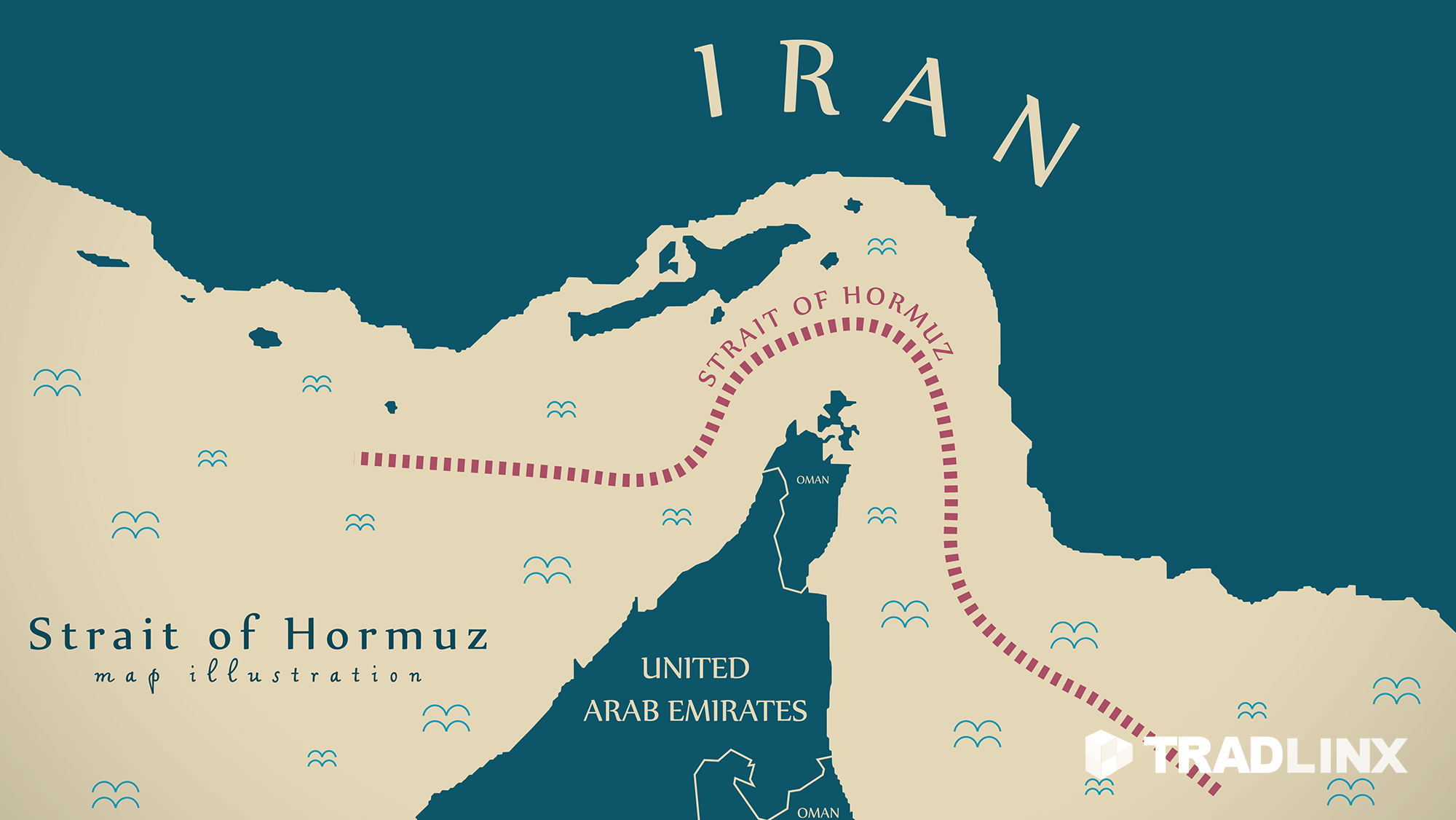
The uncertainty of the Iran-Israel "shadow war" coming into the light has changed the vibe in the region. In the past, migrant workers felt relatively shielded in the Gulf. Places like Dubai or Doha felt like neutral ground. But with the Houthi rebels targeting shipping in the Red Sea and the threat of regional escalation, that sense of security is gone. The geographical "safe zones" are shrinking.
Governments are Failing Their Citizens
Let’s be honest about the response from home-country governments. They’re in a bind. They want to protect their citizens, but they’re terrified of losing the foreign currency those citizens send back. If the Philippines or India ordered a full evacuation of the Middle East, their own national banks would collapse within months.
This leads to a kind of quiet complicity. Governments issue "travel advisories" that are vague enough to avoid responsibility but stop short of actually banning workers from going. They provide just enough "warning" to cover their backs legally, while continuing to process the paperwork that sends their people into the line of fire. It’s a cold, hard reality of global economics.
The infrastructure for evacuation is also woefully inadequate. During the 1990 Gulf War, India executed a massive airlift to get workers out of Kuwait. Today, the sheer scale of the migrant population makes that almost impossible. We're talking about millions of people. If things truly go south between Iran and Israel, there is no "Plan B" for the majority of these workers.
The Real Cost of a Regional War
If the conflict escalates into a full-scale war involving Iran, the global economy won't just see a spike in oil prices. We'll see a total collapse of the migrant labor model that has built the modern Middle East. If the workers flee, the skyscrapers stop rising, the hospitals lose staff, and the logistics chains break.
But they won't flee. Not all of them. Many will stay until the very last second because the poverty waiting for them at home is a slower, more painful death than a sudden explosion. That’s the reality nobody wants to talk about. We focus on the drones and the defense systems, but the real story is the guy from Kerala or Manila who is staying on a construction site in a war zone because he still owes $2,000 to a recruiter.
What You Should Watch Next
If you’re tracking this situation, don’t just look at the military movements. Watch the remittance data. If you see a sharp drop in money flowing from the Middle East to South Asia, it means the system is breaking.
- Keep an eye on bilateral labor agreements between Israel and India; these are the new "front lines" of economic migration.
- Monitor the exchange rates in the workers' home countries. The weaker the rupee or the peso gets, the more risk these workers will be forced to take.
- Look at the insurance premiums for migrant labor. When companies can no longer afford to insure foreign workers in the region, the corporate pull-out will begin long before the governments act.
The situation is a pressure cooker. On one side, you have the very real threat of a regional war that could ignite at any moment. On the other, you have the relentless, grinding pressure of global debt and domestic inflation. For the foreign worker in the Mideast, there are no good choices left. Only the choice of which risk they’d rather live with.