The explosion that tore through the hull of a tanker off the coast of Fujairah was not just another tremor in the volatile geography of the Gulf. It was a direct strike on India’s workforce. When three Indian nationals were caught in the crossfire of this shadowy maritime assault, the diplomatic response from New Delhi shifted from standard regional concern to a sharp, pointed demand for accountability. This was no longer a distant skirmish over oil prices. It was personal.
India’s official condemnation of the "unacceptable" attack signals a fundamental change in how the world's most populous nation intends to protect its citizens abroad. For decades, India played the role of the silent partner in the Middle East, providing the labor and purchasing the energy while leaving security to Western powers. Those days are over. The blood spilled on the decks in the Gulf of Oman has forced a reckoning that will rewrite the rules of engagement for the Indian Navy and the Ministry of External Affairs. Meanwhile, you can explore similar events here: The Weight of Nine Sunsets.
The Strategic Fragility of the Fujairah Bottleneck
Fujairah sits just outside the Strait of Hormuz, serving as a vital lung for the global energy market. It is the place where ships wait, refuel, and prepare for the gauntlet of the narrowest chasm in the world’s oil supply chain. Because it lies on the eastern seaboard of the United Arab Emirates, it was long considered a "safe" alternative to the more exposed waters inside the Persian Gulf.
That illusion of safety has evaporated. To explore the bigger picture, we recommend the recent report by NBC News.
The recent targeting of commercial vessels in this specific zone suggests a sophisticated understanding of maritime psychology. By striking at Fujairah, the perpetrators are demonstrating that there is no safe harbor. For India, this is a nightmare scenario. Roughly 9 million Indian citizens live and work in the Gulf region. Their remittances are a pillar of the Indian economy, and their physical safety is a non-negotiable political requirement for any government in New Delhi.
When Indian sailors are injured, the domestic pressure on the Prime Minister’s Office becomes immense. You cannot claim to be a rising global power if your citizens are being treated as collateral damage in someone else’s proxy war. The "unacceptable" label used by Indian diplomats isn't just rhetoric. It is a warning.
Moving Beyond Soft Power
India has traditionally relied on "soft power" and historical ties to navigate Middle Eastern conflicts. It maintains a delicate balance, keeping cordial relations with Tehran, Riyadh, and Abu Dhabi simultaneously. This diplomatic tightrope is becoming frayed.
The attack on the tankers represents a failure of the current security architecture. India is now realizing that it cannot outsource the protection of its interests to the United States or regional players who may have conflicting agendas. We are seeing the beginning of a more muscular Indian maritime doctrine.
The Blue Water Ambition
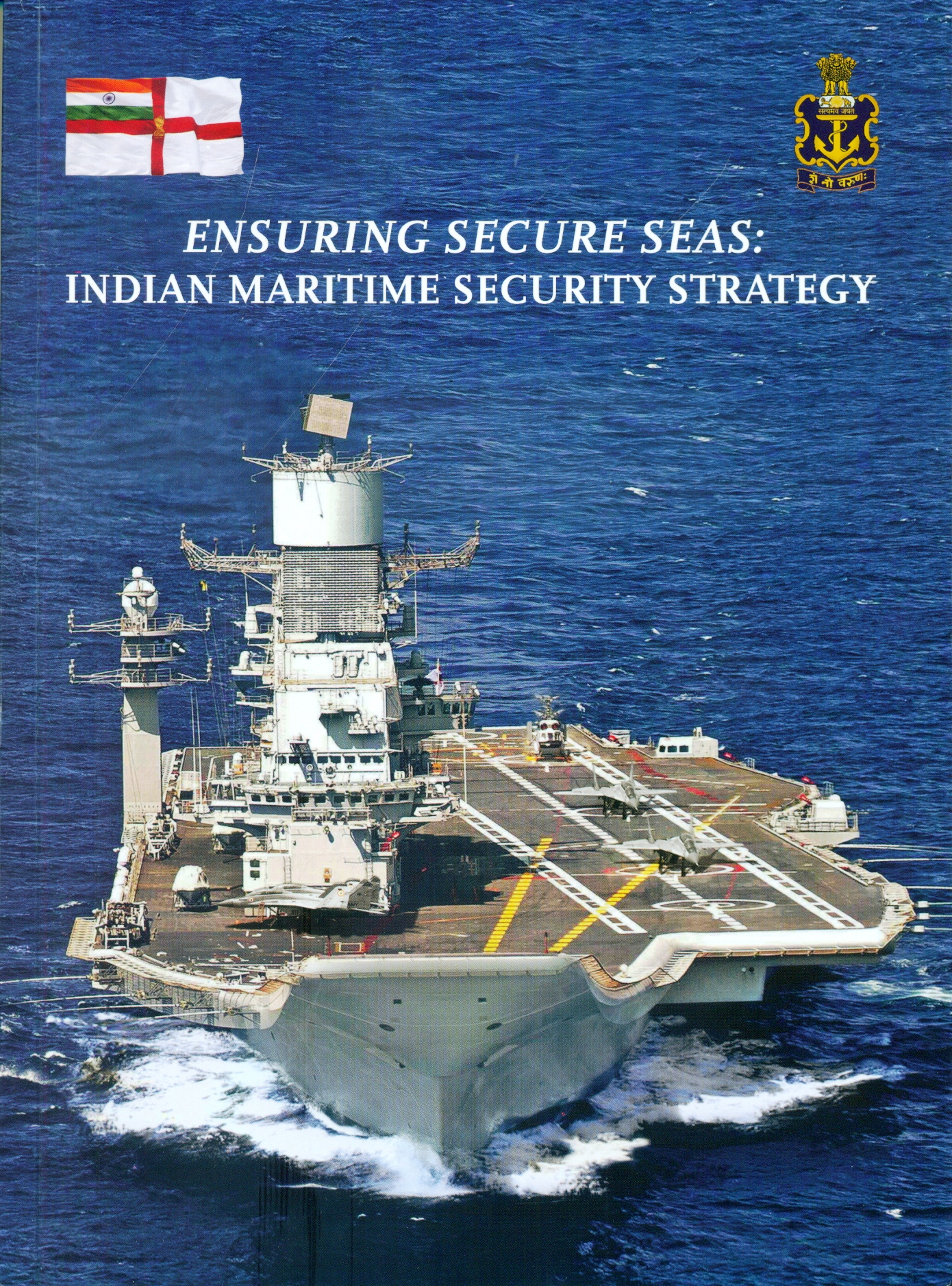
The Indian Navy has been steadily increasing its presence in the Arabian Sea, but the Fujairah incident clarifies the need for a permanent, high-tempo patrol regime. This isn't just about sending a destroyer to wave the flag. It involves:
- Integrated Intelligence Sharing: India can no longer rely on second-hand data from allies. It needs its own eyes on the water, utilizing satellite surveillance and long-range maritime patrol aircraft like the P-8I Poseidon.
- Escort Operations: We may see a return to the "Operation Sankalp" mindset, where Indian warships actively escort Indian-flagged tankers through high-risk corridors.
- Diplomatic Multi-Alignment: India is likely to use its increasing economic leverage to demand that Gulf states provide better security guarantees for Indian labor.
The Cost of the Conflict
War is expensive, but the "gray zone" conflict—this era of limpet mines, drone strikes, and deniable sabotage—is perhaps even more taxing for a developing economy.
Insurance premiums for ships traversing the Gulf have skyrocketed. When a ship is labeled "high risk," the cost of every barrel of oil it carries increases. India, which imports over 80% of its crude oil, pays this "war tax" directly at the pump in Mumbai and Delhi. When you add the human cost—the trauma and physical injury to Indian merchant mariners—the situation becomes a drag on national growth.
The three injured nationals are a statistic to the world, but to the Indian government, they represent a breach of the social contract. The state promises its citizens that if they go abroad to build the world, the state will ensure they come home. That contract was broken in the waters off Fujairah.
The Intelligence Gap and the Proxy Problem
One of the most frustrating aspects of the Fujairah attack is the lack of immediate, undeniable attribution. Finger-pointing is rampant, but hard evidence is often kept in the classified vaults of intelligence agencies. India finds itself in a difficult position here. If it blames a specific state actor, it risks a total breakdown in a crucial bilateral relationship. If it stays silent, it looks weak.
The "unacceptable" phrasing is a clever middle ground. It condemns the act without naming the perpetrator, but it also signals that India’s patience with "deniable" warfare is at its limit.
The reality is that the Gulf has become a laboratory for low-cost, high-impact disruption. A drone costing a few thousand dollars or a diver with a magnetic mine can stall billions of dollars in trade. India is particularly vulnerable to this asymmetry because its merchant marine fleet is vast and its naval resources, while growing, are stretched thin across the Indian Ocean Region.
A New Era of Indian Interventionism
We should expect to see India taking a much more aggressive role in maritime security forums. The era of India being a "passive observer" in the Gulf is dead.
The Ministry of External Affairs is already shifting its tone. In the past, such incidents would have been met with a call for "all parties to exercise restraint." This time, the call for restraint was coupled with a specific demand for the safety of Indian nationals. This nuance is critical. It moves the conversation from abstract regional stability to the specific protection of Indian lives.
This shift will likely manifest in three ways:
- Naval Basing: India will seek expanded access to ports like Duqm in Oman to ensure its fleet can sustain long-term operations far from home ports.
- Technological Hardening: Encouraging the adoption of anti-drone and hull-monitoring technology on Indian-owned vessels.
- Bilateral Security Pacts: Moving away from broad "cooperation" agreements toward specific "protection" agreements with Gulf nations.
The Myth of Neutrality
For years, India’s neutrality was its greatest asset in the Middle East. It allowed India to talk to everyone. However, in a world where the sea lanes are being weaponized, neutrality can look a lot like vulnerability.
The attack near Fujairah proves that the chaos of the region does not care about India's desire to stay out of the fray. If you are on the water, you are in the game. India is now realizing it must play that game with a much firmer hand.
The injured sailors are currently recovering, but the scars on the regional security framework will last much longer. India has been forced to look into the mirror and decide what kind of power it wants to be. If it wants to be a global leader, it must be able to secure its people and its energy pipelines, regardless of whose proxy war is currently simmering.
The message from New Delhi is clear: The safety of Indian citizens is the new red line. Crossing it will no longer be met with mere concern, but with a fundamental shift in India's strategic posture that the rest of the world can no longer afford to ignore.
The quiet, reliable partner in the Gulf has found its voice, and it sounds remarkably like a command. The maritime world is about to find out exactly what happens when India decides that "unacceptable" actually means what it says. Security in the Gulf will now be measured by a different metric: the safety of the men and women on the deck, not just the cargo in the hold.