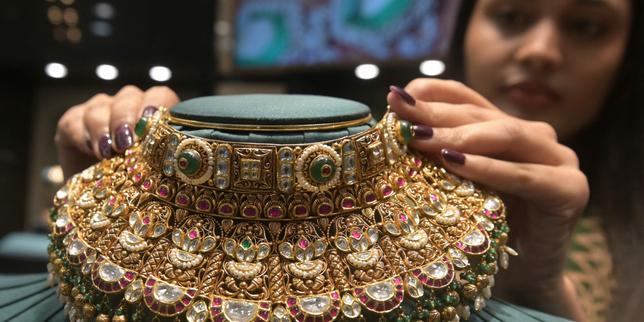
India just played a massive card in the global currency war. By hiking import duties on gold, the government isn't just making your jewelry more expensive. They’re trying to stop the rupee from bleeding out against a dominant US dollar. It’s a bold, slightly desperate move that affects everyone from the local bazaar to the vaults in Mumbai.
You need to understand why this matters. India is the world's second-largest consumer of gold. We love the stuff. It's in our weddings, our temples, and our savings accounts. But that cultural obsession creates a nightmare for the nation's balance sheet. When we buy gold, we pay in dollars. When too many dollars leave the country to satisfy our hunger for bullion, the rupee loses its value. It’s basic supply and demand, and right now, the demand for gold is hurting the national currency.
The government basically doubled the tax because they had no other choice. If they didn't act, the trade deficit would have spiraled. A weak rupee makes everything else—petrol, electronics, cooking oil—way more expensive for the average family. By taxing gold, they’re betting that people will stop buying, or at least buy less, keeping those precious dollars inside the country.
The math behind the tax hike
Let’s look at the numbers because they’re staggering. India’s trade deficit widened to record levels recently. In a single month, gold imports sometimes hit $6 billion or $8 billion. Think about that. That's billions of dollars flowing out of India just for a metal that mostly sits in lockers.
The hike takes the total import duty to a level that makes smuggling look like a viable business plan again. It's a risky game. When the gap between the international price and the local price gets too wide, the "grey market" thrives. We’ve seen this movie before. In the 1970s and 80s, high taxes didn't stop gold from entering India; it just shifted the profit from the government to the smugglers.
But the Reserve Bank of India (RBI) is stuck. They’ve been burning through foreign exchange reserves to keep the rupee stable. They’ve spent tens of billions of dollars lately. Raising the gold tax is a way to take the pressure off the central bank. It’s a fiscal tool used to solve a monetary problem.
Why the rupee is under such pressure
It isn't just about gold. The US Federal Reserve has been aggressive. They’re raising interest rates, which makes the dollar a magnet for global capital. Investors are pulling money out of emerging markets like India and dumping it into US Treasuries. This "flight to safety" leaves the rupee vulnerable.
When the dollar gets stronger, every country that imports oil feels the pain. Since India imports about 80% of its crude oil, a falling rupee is a double whammy. You pay more for the oil because the global price is high, and then you pay even more because your currency is trash. By hitting gold imports, the government is trying to clear some space in the budget to afford the oil we actually need to keep the lights on and the trucks moving.
The wedding season problem
Timing is everything in India. We have specific windows where gold demand explodes. If the government hikes taxes right before a major wedding season, it feels like a personal attack on the middle class. But that's exactly when the impact is highest.
I’ve talked to jewelers in Zaveri Bazaar who are fuming. They say the high prices are driving customers away. But honestly? Indians don't stop buying gold. They just buy smaller quantities or trade in their old sets for new designs. The cultural pull is too strong. The government knows this. They aren't trying to kill the gold market; they just want to shave 10% or 20% off the total import volume. That’s enough to move the needle on the rupee's value.
The unintended consequences of high duties
Every action has a reaction. When you tax gold at these levels, you create a massive incentive for illegal trade. We're already seeing reports of gold being seized at airports in ways that feel like a throwback to old Bollywood movies. Paste form, hidden in electronics, you name it.
High taxes also hurt the organized retail sector. Big jewelry chains play by the rules and pay the taxes. If the neighborhood "family jeweler" can get gold through unofficial channels and sell it cheaper, the big players lose out. It’s a mess for transparency.
There’s also the issue of the "Gold Monetization Scheme." The government wants you to deposit your gold in banks so it can be circulated in the economy. But with taxes this high, people are more likely to hide their gold than report it. It creates a shadow economy that's hard to track and even harder to tax.
Comparing India to other nations
India isn't the only one struggling. Turkey has seen its currency crater, and they’ve also seen a massive surge in gold buying as people try to protect their wealth. But India is unique because of the sheer scale. No other country has a population that treats gold as a primary savings vehicle quite like we do.
China is the only real competitor in terms of volume, but their economy is structured differently. Their central bank is one of the biggest buyers of gold in the world, using it to diversify away from the US dollar. In India, the gold is held by the people, not the state. That’s a huge distinction. It means the Indian government sees the citizens' gold as a liability for the national balance sheet rather than an asset.
Is this a permanent fix
Probably not. Taxing gold is a band-aid. It doesn't solve the underlying issues of why the rupee is weak. We need better export numbers and less reliance on imported energy. Until India becomes a manufacturing powerhouse that earns more dollars than it spends, the rupee will always be looking over its shoulder at the Fed.
Investors shouldn't expect these taxes to go down anytime soon. The government has signaled that they’ll do whatever it takes to maintain "macroeconomic stability." In plain English, that means if the rupee keeps falling, the taxes might even go higher.
If you're thinking about buying gold as an investment, you have to factor in this "tax tailwind." You're paying a premium that doesn't exist in the global market. If the government ever decides to slash duties, the local price of your gold will drop instantly, even if the international price stays the same. It's a massive risk that most retail buyers ignore.
Better alternatives for your money
If you want to hedge against a falling rupee without paying the massive import duty, look at Sovereign Gold Bonds (SGBs). You get the price appreciation of gold plus a small interest rate, and you don't have to worry about storage or "making charges." More importantly, the government loves SGBs because it doesn't involve physical gold crossing the border.
Digital gold is another option, though it's less regulated. The point is, buying physical bars and coins is currently the most expensive way to own gold in India. You’re essentially paying a massive "save the rupee" fee to the government every time you walk into a jewelry store.
Stop looking at gold as just a shiny metal. In the current climate, it's a geopolitical pawn. The government is using your desire for jewelry to balance the nation's checkbook. Whether it works depends on how much we're willing to pay for tradition.
Watch the trade deficit numbers over the next two quarters. If they don't improve, expect more restrictions. This could include tighter limits on how much gold individuals can bring from abroad or even new "cess" taxes on luxury items. The war to save the rupee is just getting started, and gold is the first major casualty on the domestic front.
Move your "paper" wealth into assets that benefit from a stronger dollar or stick to gold bonds to avoid the duty trap. Physical gold should be for weddings, not for your retirement fund, at least not while these taxes are in play.