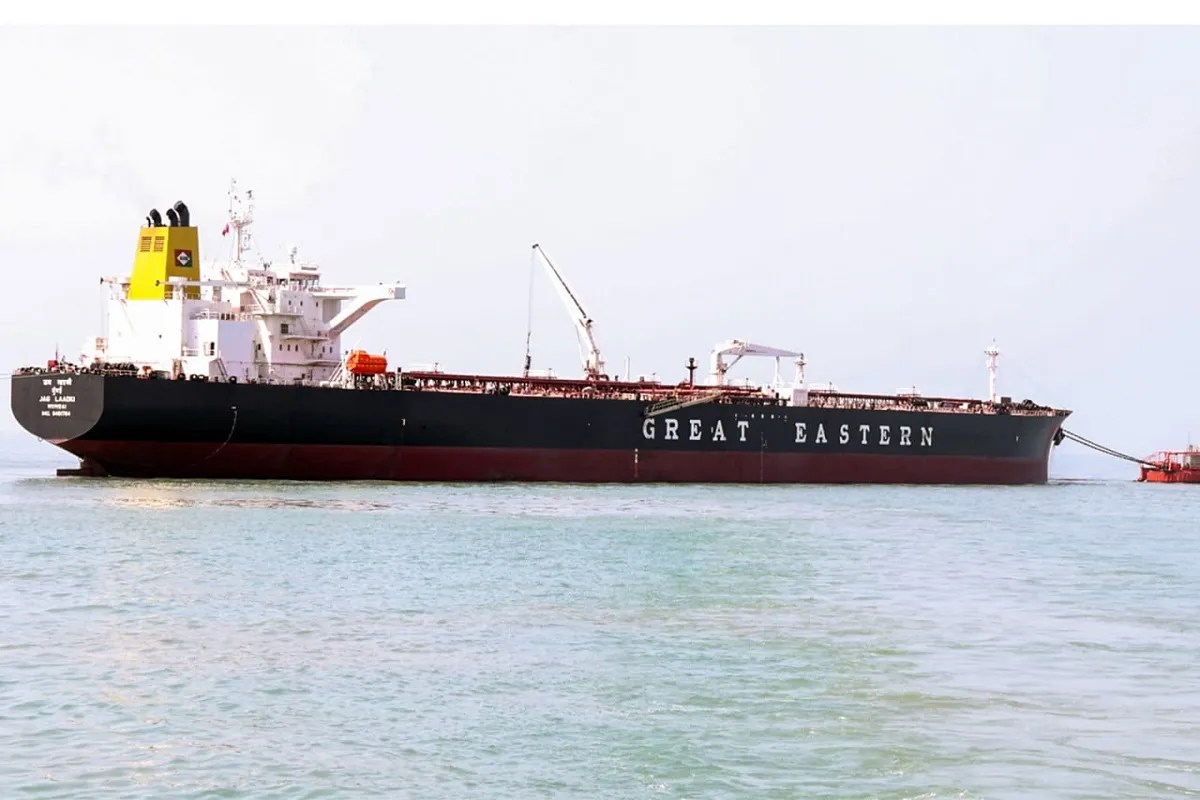
The Strait of Hormuz is a narrow stretch of water that keeps the world’s economy breathing. If you've looked at the price of petrol lately and felt a sting in your wallet, you already know why this tiny chokepoint matters. Right now, two massive Indian tankers filled with fuel are navigating these high-risk waters, and they aren't alone. The Indian Navy has deployed a high-tech destroyer to ensure these ships reach home without a scratch.
It’s not just about a couple of ships. It’s about energy security in a region that feels like a powder keg. When tensions spike between global powers and regional players in the Middle East, the first place that feels the heat is the shipping lane. India imports about 80% of its crude oil. A huge chunk of that comes through this specific gateway. If those ships stop moving, India stops moving.
The Strategic Reality of the Strait of Hormuz
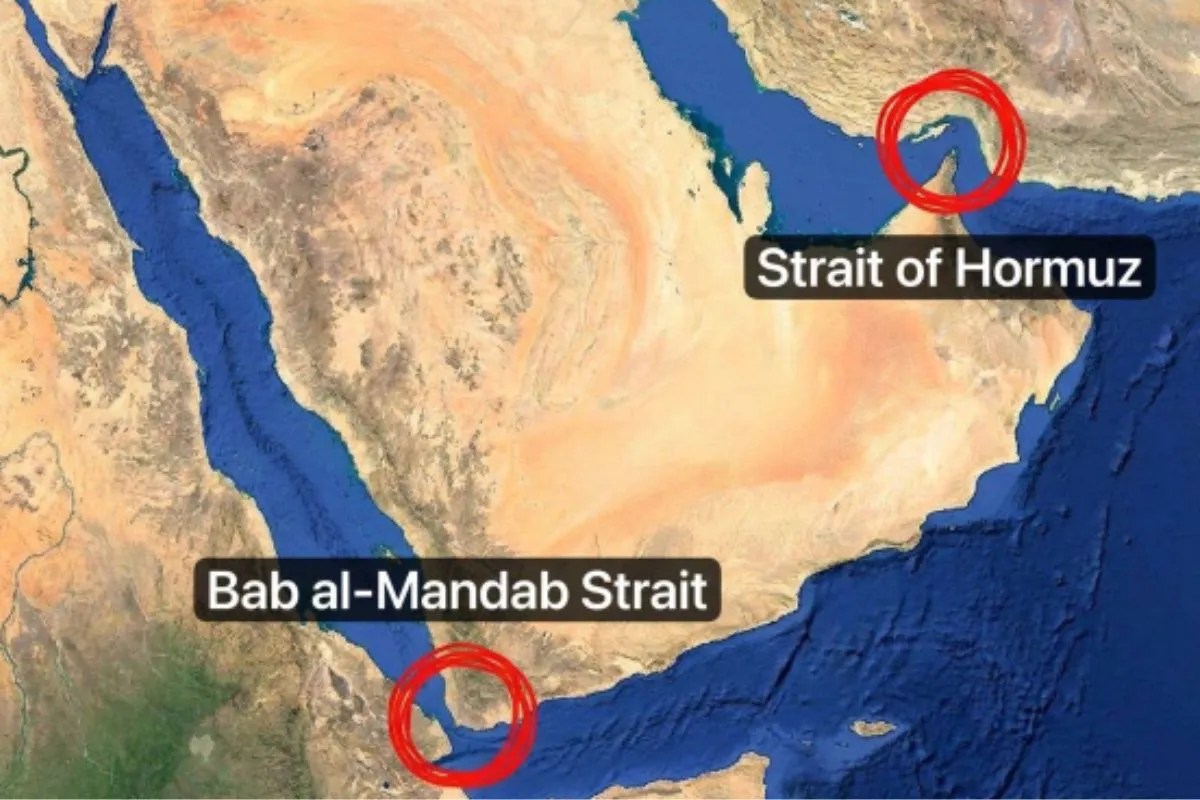
Look at a map and you'll see a tiny gap between Oman and Iran. That’s the Strait. At its narrowest, the shipping lane is only about two miles wide in each direction. Imagine trying to drive a skyscraper-sized vessel through a narrow alleyway while people on the rooftops are throwing rocks. That’s the daily reality for merchant sailors when geopolitical tensions flare up.
India isn't taking chances. The Navy’s presence is a clear signal. We've seen "shadow wars" here before—limpet mines attached to hulls, drones buzzing decks, and even outright seizures of vessels. By placing a frontline warship alongside these tankers, India is telling the world that its energy supply chain is a red line. It’s a move that shows muscle and diplomatic intent at the same time.
What Indian Navy Protection Actually Looks Like
Most people think of a naval escort as a ship just sailing nearby. It’s way more intense than that. It’s a 24-hour shield of electronic warfare and constant vigilance.
The Navy uses advanced radar and sonar to scan for anything out of the ordinary. This includes underwater threats like mines or small, fast-attack boats that pirates or rogue actors often use. There’s also the aerial dimension. With the rise of cheap kamikaze drones, the destroyer’s air defense systems are likely on hair-trigger alert.
Communication is the Secret Weapon
The crew on those petrol tankers are civilians. They aren't trained for combat. The Navy provides a "Sea Rider" team in some cases—specialized personnel who board the merchant ship to coordinate directly with the warship. They share real-time intelligence. If a suspicious vessel approaches, the Navy doesn't just start shooting. They use "hailing"—radio warnings—and tactical maneuvering to wave off threats before they become incidents.
Why Petrol Prices Depend on This Mission
You might wonder why we don't just get oil from somewhere else. The truth is, the infrastructure is built for this route. Moving to different suppliers takes years and billions of dollars.
When a ship is seized or attacked in the Strait of Hormuz, insurance premiums for every other ship in the area skyrocket. Those costs get passed down to you at the petrol pump. By providing its own security, the Indian government helps stabilize these "hidden" costs. It keeps the flow predictable. Predictability is the only thing the stock market and the energy sector actually care about.
The Bigger Picture of Maritime Sovereignty
This mission, often called Operation Sankalp, started years ago when the region first became unstable. It hasn't stopped because the threats haven't vanished. India is asserting itself as a "net security provider" in the Indian Ocean region.
It’s a shift in how the country views its role on the global stage. We aren't just waiting for the international community to keep the lanes open anymore. We’re doing it ourselves. This builds trust with trading partners and tells the crew on those tankers that their country has their back.
Lessons from Past Incidents
We’ve seen what happens when things go wrong. In the past, tankers have been diverted to foreign ports against their will. Crews have been held for months. The psychological toll on sailors is massive. Having a grey-hulled warship with the Indian flag flying nearby is the best morale booster these sailors could ask for. It changes the entire dynamic of the voyage from a nervous gamble to a protected mission.
Monitoring the Global Chokepoints
The Strait of Hormuz isn't the only spot under watch. The Bab el-Mandeb and the Suez Canal are equally twitchy. However, Hormuz is unique because there is no easy way around it. If the Suez is blocked, you can go around Africa. If Hormuz is closed, the oil stays in the Gulf. Period.
That’s why this specific escort mission is getting so much attention. It’s a high-stakes game of chess where the pieces are worth hundreds of millions of dollars and the board is a narrow strip of blue water.
If you want to understand the real-world impact, track the arrival dates of these tankers at Indian ports like Jamnagar or Paradip. Their safe arrival means the system worked. It means the Navy did its job quietly and effectively. Stay informed on regional maritime alerts through the Indian Navy's official handles or global shipping news hubs like Lloyd's List to see how these escort patterns change as the political climate shifts. Watch the Brent Crude index; if it stays steady despite Middle East headlines, it’s usually because the navies of the world are doing the heavy lifting behind the scenes.