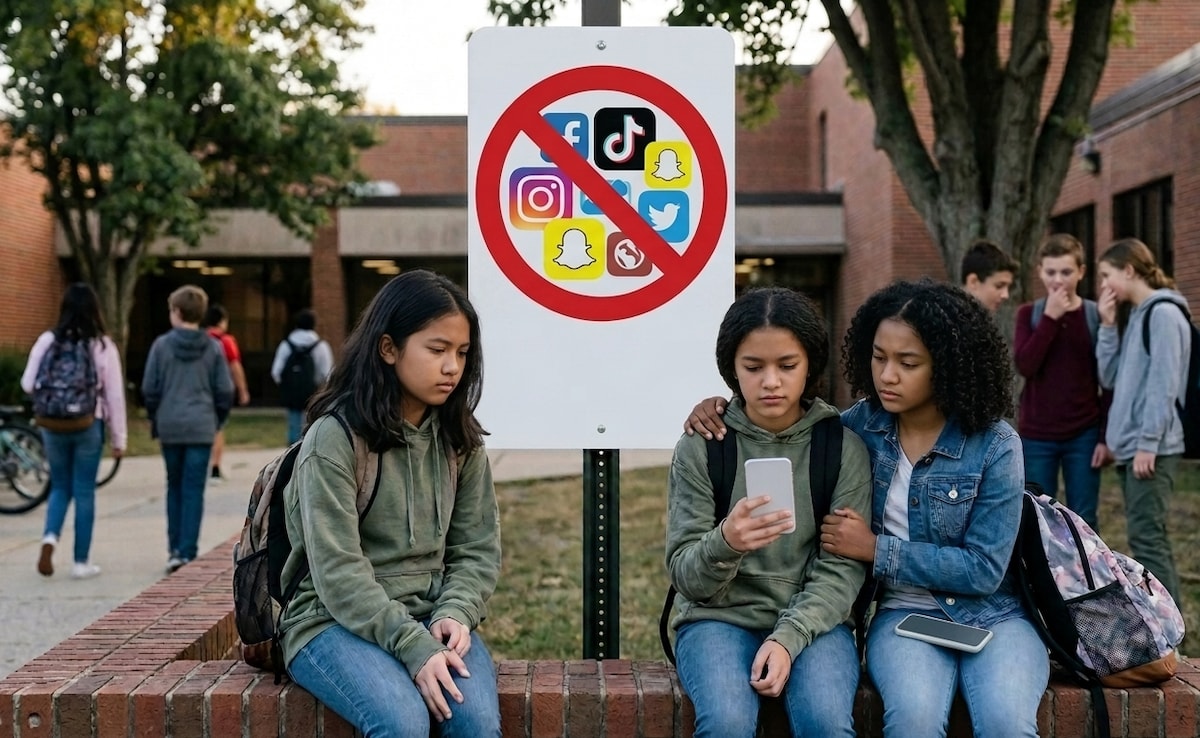
Indonesia just handed a masterclass in performative governance. By banning social media for anyone under 16, Jakarta isn't protecting children; it’s building a massive, unregulated playground for digital Darwinism. Most analysts are busy applauding the "bold move" for mental health. They are wrong. They are looking at the surface of a stagnant pond while a current of black-market identity theft and systemic digital illiteracy moves underneath.
This isn't a safety measure. It’s a firewall made of wet tissue paper.
If you believe a 15-year-old in Jakarta—someone who grew up navigating fragmented Android ecosystems and localized gaming servers—won't bypass a government block in under four minutes, you shouldn't be writing about tech. You shouldn’t even be using it.
The Myth of the "Digital Cleanse"
The prevailing sentiment is that removing the "poison" of TikTok and Instagram will magically restore a generation’s attention span. This assumes that the vacuum created by a ban remains empty. It never does. When you remove regulated, public-facing platforms, you don't remove the desire for connection. You move the conversation into the dark.
I have watched three different decades of "prohibitionist" tech policy fail. From the Great Firewall’s inability to stop crypto-mining to the West’s toothless age-verification wars, the result is always the same: the most vulnerable users are pushed into encrypted, unmoderated corners of the web where the "safety" features of Meta or ByteDance don't exist.
By banning under-16s, Indonesia is effectively firing the only moderators who had a financial incentive to keep the platform "clean" enough for advertisers. Now, those kids will migrate to Discord servers, Telegram channels, and decentralized apps where "community standards" are whatever the loudest person says they are.
Age Verification is a Data Breach Waiting to Happen
Let’s talk about the "how." How does a government actually enforce this? It requires a robust, centralized identity database or a third-party verification system that demands passports, birth certificates, or facial biometrics.
Imagine a scenario where 30 million Indonesian teenagers are forced to upload their government IDs to a third-party "verification partner" just to see if their friends posted a meme. This isn’t security. This is a honeypot. Indonesia’s track record with data sovereignty is already shaky—recall the 2024 National Data Center ransomware attack. Now, the state wants to create a mandatory digital paper trail for every minor in the country.
You are not protecting kids. You are tagging them for the next great data leak.
The industry calls this "Safety by Design." In reality, it’s "Surveillance by Default." True digital safety isn't the absence of a platform; it is the presence of critical thinking. By removing the platform, you remove the training ground. You are raising a generation of digital "islanders" who will turn 16 and be dumped into a global internet they have zero experience navigating. They won't know how to spot a deepfake, how to manage an algorithm, or how to handle cyberbullying because they spent their formative years pretending to be 40-year-olds behind a VPN.
The VPN Tax and the Digital Divide
This ban creates a "competency tax."
Wealthy, tech-literate kids in Jakarta will use premium VPNs and international SIM cards. Their lives won't change. They will continue to access global trends, educational content, and social networks. Meanwhile, the kid in a rural province with a budget smartphone and a basic data plan gets cut off.
This isn't just about entertainment. Social media in Southeast Asia is the infrastructure of the economy. It’s where people learn trades, sell goods, and organize. By the time an Indonesian teen hits 16, they will be two years behind their peers in Singapore, Vietnam, and Thailand in terms of digital marketing, content creation, and platform-based entrepreneurship.
We are seeing the birth of a "Lost Generation" of digital workers. In an era where the creator economy is a multi-billion dollar sector, the Indonesian government decided to bench its varsity team for the first half of the game.
Why the "Mental Health" Argument is a Cop-Out
Politicians love blaming "The Algorithm" because it’s easier than fixing the educational system or addressing the lack of physical third spaces for youth. Is social media addictive? Yes. Is it sometimes toxic? Absolutely. But a ban is a blunt instrument for a surgical problem.
If the concern was truly mental health, the policy would focus on:
- Algorithmic Transparency: Mandating that platforms allow users to toggle off "suggested content" feeds.
- Interoperability: Letting users take their data and leave.
- Digital Literacy in Schools: Treating internet navigation with the same rigor as mathematics.
Instead, we get a ban. A ban is what you do when you’ve run out of ideas. It’s the legislative equivalent of "Because I said so."
The False Premise of "Protection"
The "People Also Ask" crowd wants to know: "Will this stop cyberbullying?"
No. It will make it harder to report.
"Will it stop predators?"
No. It will move them to platforms that don't cooperate with local law enforcement.
The premise that the internet is a "place" you can keep children out of is a 20th-century delusion. The internet is the air we breathe. You can’t tell a teenager not to breathe the air until they’re 16. You can only teach them how to filter the smog.
The Industry Insider’s Truth
I’ve sat in rooms where these policies are debated. The goal is rarely the well-being of the child. The goal is the consolidation of control over the digital flow of information. By making social media access a "privilege" granted by the state through verification, the government gains a lever. They can switch off the youth vote’s primary communication tool at the push of a button.
The "nuance" the competitors missed is that this isn't a social policy. It is a dress rehearsal for total digital identity management.
If you want to protect your kids, don't wait for a law. A law won't stop a DM. A law won't stop a rabbit hole. The only thing that works is immersion with supervision. You don't teach a kid to swim by banning the ocean; you get in the water with them.
Indonesia didn't just ban social media. They outsourced the parenting of 30 million children to the black market. Good luck with the fallout.
Delete the VPN apps from your child's phone if you want, but don't pretend the government just did your job for you. They just made the world a lot more dangerous for your kid to navigate.
Stop cheering for the ban and start worrying about who owns the keys to the gate.