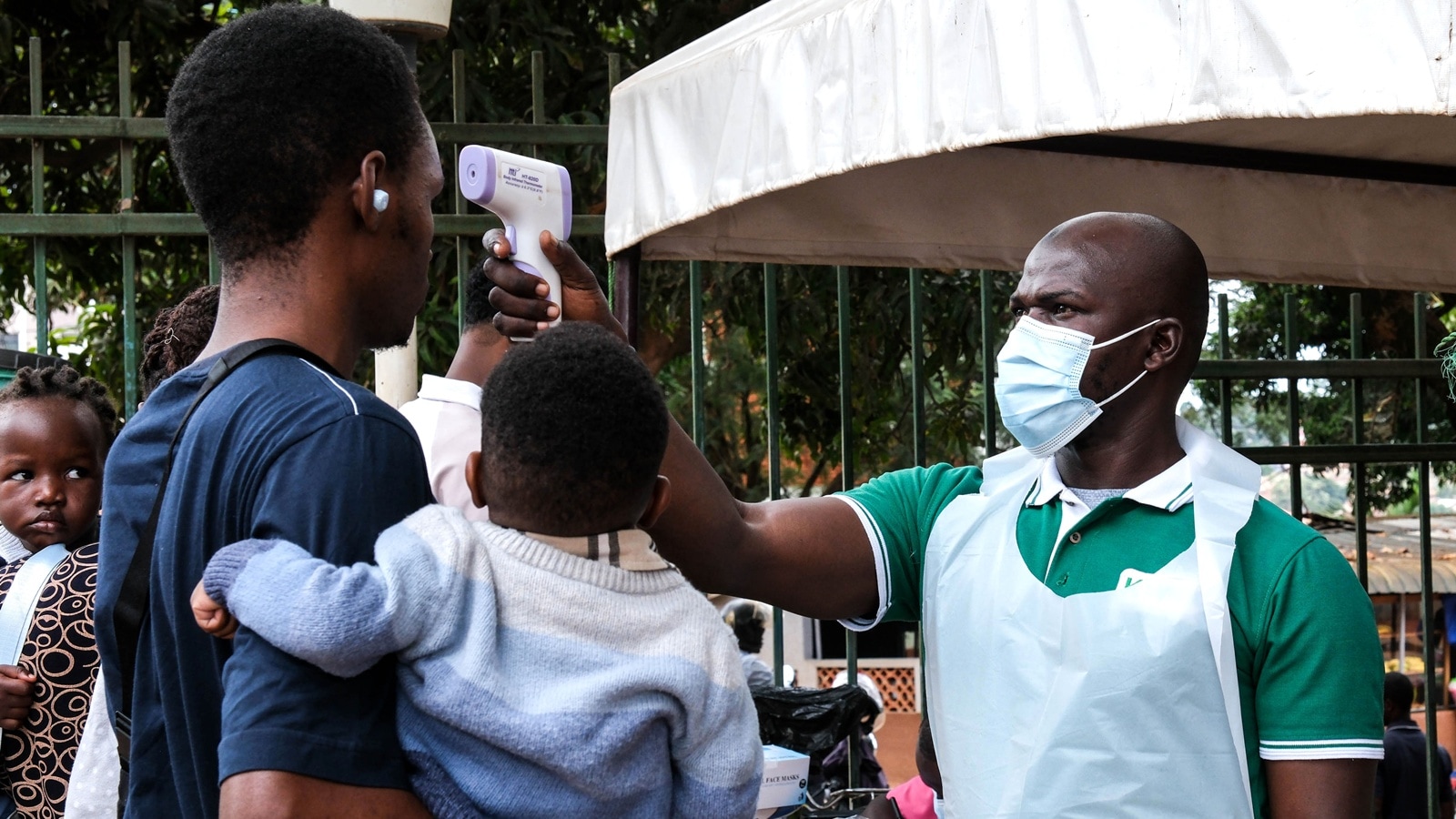
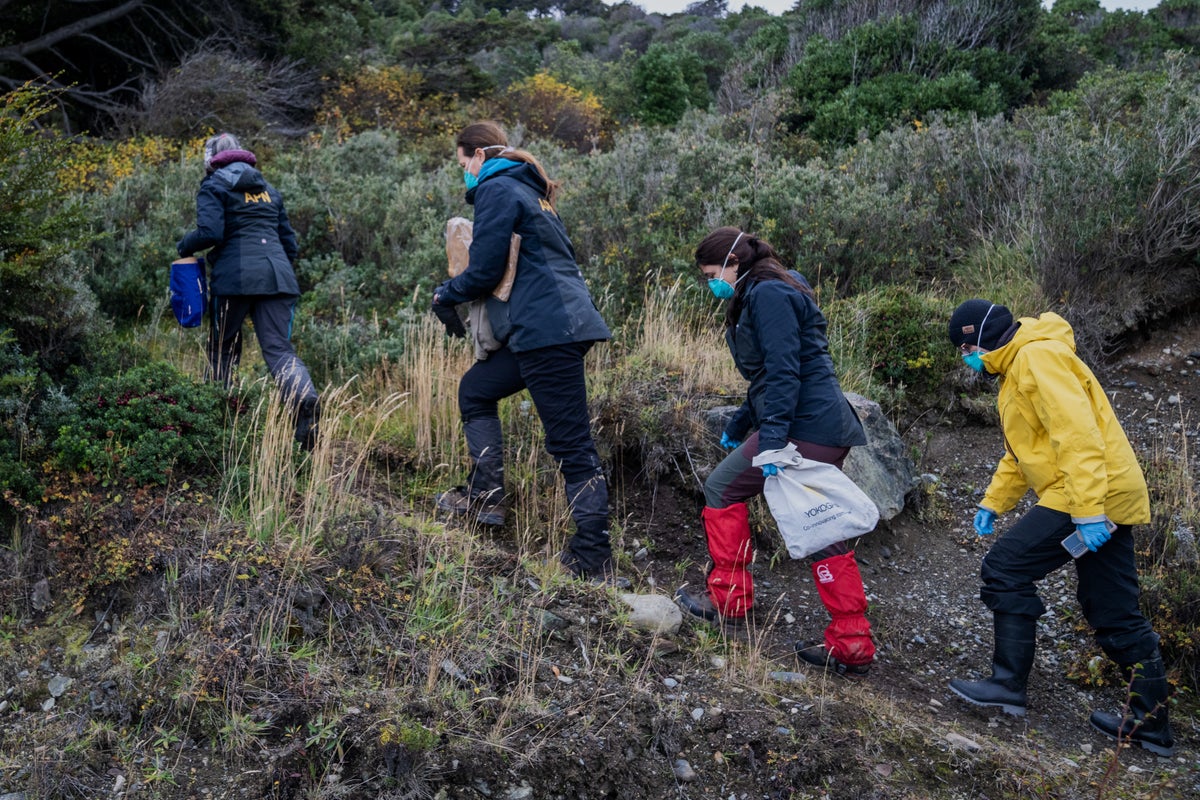
The global health apparatus is reacting to a ghost. When the World Health Organization declared the current Ebola outbreak in the Democratic Republic of the Congo and Uganda a Public Health Emergency of International Concern, the headlines focused on the familiar choreography of an international crisis, including emergency summits, deployed aid, and rising body counts. What the official declarations obscure is a terrifying reality. We are completely unarmed. The virus currently tearing through eastern Congo is not the Zaire strain that the world spent the last decade learning how to fight. It is the Bundibugyo virus, a rare, elusive species of Ebola for which there are no approved vaccines, no authorized therapeutic treatments, and no rapid field diagnostics.
Health officials are tracking hundreds of suspected cases and more than 130 deaths, but these numbers are virtually meaningless. The true scale of the epidemic is entirely unknown because routine diagnostic tests used by field clinics are failing to detect the virus. By the time an infection is confirmed by specialized laboratories in major urban centers, the transmission chain has already lengthened, snaking quietly through crowded trading hubs and across national borders.
The Blind Spot in the Lab
The global health security strategy for Ebola relies almost entirely on a template perfected during recent epidemics. That template is built on rapid identification, isolation, and ring vaccination, a method where everyone who came into contact with an infected person receives a shot to blunt the forward momentum of the virus.
This strategy is useless against the Bundibugyo strain.
The standard GeneXpert diagnostic cartridges deployed across thousands of rural African clinics are calibrated primarily for the Zaire strain, the culprit behind the catastrophic 2014 West Africa epidemic and near-annual flare-ups in the Congo. When patients infected with the Bundibugyo virus show up at rural clinics in Ituri province with early symptoms like fever and throat pain, their tests frequently come back negative. They are sent home to their families, or worse, admitted to general hospital wards where they infect healthcare workers.
The data reveals the catastrophic consequences of this diagnostic failure. At least four healthcare workers have died of suspected viral hemorrhagic fever in Ituri. When doctors and nurses start dying early in an outbreak, it is a definitive structural signal that the virus has been circulating undetected within the medical system for weeks, amplified by standard clinical procedures.
The genetics of the virus create a structural trap. The Bundibugyo strain is distinct enough from the Zaire strain that the monoclonal antibody treatments, such as Inmazeb and Ebanga, which reduced Ebola mortality rates to under 10% in recent trials, offer zero therapeutic value here. Patients are left with nothing but supportive care, essentially managing dehydration while hoping their immune systems can withstand a pathogen that kills up to half of those it infects.
Urban Mobilization and the Militia Problem
The geography of this outbreak complicates containment efforts far more than a lack of medical tools. The epidemic originated in Mongwalu, a chaotic, high-traffic gold mining zone in the northeastern province of Ituri. Mining camps are transient environments where thousands of young men live in cramped conditions, moving constantly between informal border crossings to sell gold and buy supplies.
From Mongwalu, the virus traveled along commercial corridors to Bunia, the provincial capital, and has now breached major urban centers. Laboratory-confirmed cases have emerged in Goma, a sprawling lakeside metropolis controlled in part by the Rwanda-backed M23 militia, and in Kampala, the capital of neighboring Uganda.
An Ebola outbreak in a remote forest village is a logistical hurdle. An Ebola outbreak in a war zone that has spread to an international transportation hub is an entirely different category of threat.
In Goma and the surrounding territories, the ongoing conflict between the Congolese armed forces and rebel factions has displaced hundreds of thousands of people into squalid, informal camps. Contract tracing in these areas is functionally impossible. Public health teams cannot enter militia-controlled zones without armed escorts, and displaced populations are understandably hostile to outside authorities telling them to isolate when their primary daily objective is finding food.
The presence of the virus in Kampala exposes the fallacy of relying on national borders as barriers against disease. The two confirmed cases in the Ugandan capital were individuals who traveled from the Congo by road, passing through multiple informal transit points before collapsing in urban hospitals. They are currently in intensive care units, but the number of people they shared minibuses with, bought food from, or interacted with during their multi-day journey remains an unsolved mystery.
The Failure of the Emergency Declaration Model
The WHO emergency declaration is designed to shock the international donor community into releasing funds and equipment. Historically, it achieves the opposite, triggering bureaucratic inertia and counterproductive political theater.
We saw this play out in 2024 when a global emergency was declared for the mpox outbreak in central Africa. Months after the declaration, diagnostic kits and treatments were still sitting in Western warehouses, tangled in regulatory red tape and distribution squabbles.
The current response is tracking toward the same failure. The WHO has released a modest sum from its emergency contingency fund, and aid groups like Doctors Without Borders are scrambling teams to the region. Shoveling money at a crisis does not change the biological reality on the ground when there are no tools to buy with that money.
Ebola Strain Differences and Available Medical Countermeasures
+----------------------+-----------------------+-------------------------+
| Feature              | Zaire Ebolavirus      | Bundibugyo Ebolavirus   |
+----------------------+-----------------------+-------------------------+
| Historical Fatality  | 60% - 90%             | 30% - 50%               |
| Approved Vaccines    | Ervebo, Zabdeno       | None                    |
| Monoclonal Antidotes | Inmazeb, Ebanga       | None                    |
| Field Diagnostic     | Highly Accurate       | Frequently Misses       |
+----------------------+-----------------------+-------------------------+
Western nations have historically viewed African health emergencies through a lens of containment rather than active resolution. The immediate impulse of many foreign governments during a crisis is to contemplate border closures and travel restrictions, a policy that public health experts warn is actively harmful. When formal borders are closed, trade does not stop. It simply shifts to informal, unmonitored bush paths, rendering health screenings and surveillance mechanisms completely blind.
The Real Action Step for Survival
To halt the spread of the Bundibugyo virus, the international community must pivot away from its standard response playbook. Waiting for a vaccine to be developed and trialed in the middle of an escalating urban outbreak is a fantasy.
The immediate priority must shift to old-school, aggressive public health infrastructure. Decentralized laboratory capacity is the only asset that can alter the current trajectory. Rather than shipping tons of generic medical supplies, international aid must focus on deploying mobile PCR laboratory units directly to border crossings and mining transit hubs. These units must be equipped with specialized primers capable of identifying the Bundibugyo genetic sequence within hours, bypassing the broken rural clinic screening system entirely.
Simultaneously, local community networks must be given the agency and resources to manage safe burials. Ebola spreads most efficiently during the final stages of illness and immediately after death, when the viral load in bodily fluids peaks. Traditional funeral practices involving the washing of the deceased remain a primary vector for super-spreading events. Forcing military-style burial teams onto grieving communities creates resistance and drives cases underground. Providing communities with the protective gear and training to perform these rites safely is the only proven method to stop the chain of transmission when medical interventions are non-existent.
The window to contain this virus within the Great Lakes region of Africa is closing rapidly, and the global health apparatus cannot afford to continue fighting a 2026 biological threat with a 2014 playbook.