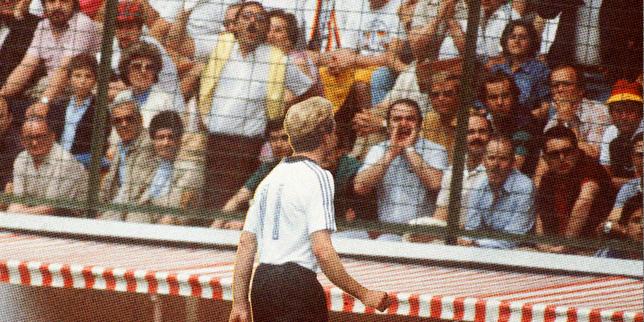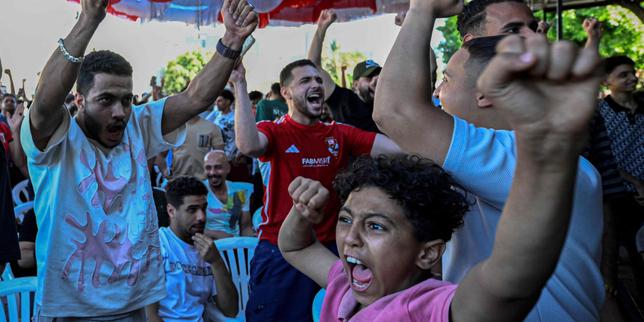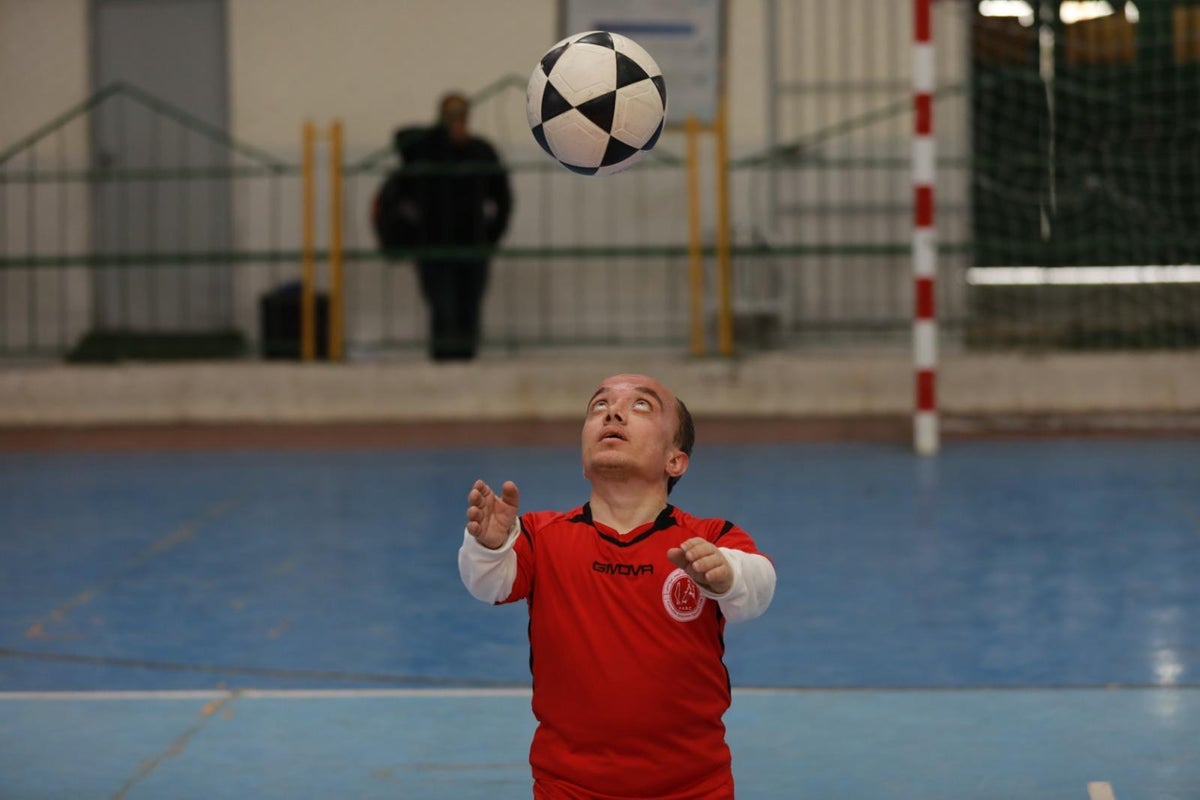
Geopolitics and sports infrastructure routinely collide, leaving athletes in conflict zones cut off from the global game. For a footballer in Gaza, the simple act of watching a World Cup match turns into an exhausting battle against rolling power blackouts, severed internet cables, and strict blockades. While billions of fans instantly stream high-definition broadcasts, players in isolated territories face a fractured media environment where even basic satellite access is a luxury. This systemic isolation affects more than entertainment. It stifles athletic development, severs cultural connections, and highlights the deep divide in how the world experiences sports.
Understanding this crisis requires looking past the surface-level frustration of missed matches to examine the broken infrastructure that creates this isolation. If you found value in this article, you might want to check out: this related article.
The Broken Infrastructure of Football Broadcasts
Major sporting events rely on stable electricity grids and high-speed telecommunications. In Gaza, these basic utilities are permanently compromised. The region operates on a chronic power deficit, often receiving only four to eight hours of electricity per day. When a tournament match kicks off, fans cannot simply turn on a television. They must coordinate with erratic generator schedules or rely on expensive, degrading car batteries to power small screens.
The digital alternative is equally flawed. Internet connectivity depends on undersea cables and routing stations that frequently suffer physical damage during military escalations. Bandwidth is heavily throttled. Attempting to stream a match over a congested, low-speed mobile network during peak hours results in endless buffering loops rather than live sports. For another look on this story, refer to the recent update from Bleacher Report.
Finances introduce another barrier. Regional broadcasting rights for major tournaments are usually held by premium satellite networks that charge steep subscription fees. In an economy burdened by hyper-inflation and massive unemployment, paying for an official sports package is economically impossible for the vast majority of local athletes. This economic reality forces reliance on pirated streams, which are unstable and frequently blocked by international cybersecurity protocols.
The Network Monopoly
The distribution of sports media rights across the Middle East is highly centralized. A single network often holds exclusive rights for the entire region, enforcing strict digital rights management that ignores the economic realities of occupied or blockaded territories. No discounted tiers exist for regions under humanitarian crises.
Local cafes occasionally purchase these expensive commercial licenses, transforming into crowded hubs during match days. But traveling to these venues brings its own challenges.
Movement and Security Risks
Navigating a conflict zone after dark to watch a match introduces significant personal risk. Nighttime travel is dangerous due to unpredictable security situations, checkpoints, and regular curfews. A footballer walking home at midnight after a late kickoff faces hazards that standard sports fans never have to consider.
Why Media Isolation Stifles Athletic Talent
Watching high-level football is not merely leisure for an aspiring athlete; it is essential tactical education. Young players learn by observing the positioning, decision-making, and movement of elite professionals. When access to international matches is cut off, local development stalls.
- Tactical Deficits: Without regular exposure to evolving global tactics, players remain stuck in regional styles that fail to translate to international competition.
- Scouting Invisibility: The same infrastructure failures that prevent players from watching international games also prevent them from broadcasting their own talent outward. Scouts rarely see footage from isolated leagues.
- Psychological Wear: Training under difficult conditions without ever seeing the pinnacle of the sport erodes motivation over time.
Consider a hypothetical example of a promising central midfielder training on a dusty pitch in Khan Younis. Without regular access to watch how modern European midfielders transition from defense to attack, that player misses out on visual cues that are vital for modern tactical literacy. The gap between local talent and international standards widens purely due to a lack of visual data.
The Failure of International Sports Governing Bodies
International football federations frequently state that politics should stay out of sports, yet their policies consistently protect commercial rights holders over marginalized fans. FIFA and regional confederations have the power to mandate free-to-air broadcasts or provide subsidized streaming access in verified conflict zones. They choose not to.
The priority remains protecting the multi-billion-dollar value of exclusive broadcasting contracts. If a regional rights holder demands total exclusivity, the governing bodies enforce it, regardless of whether a population can actually access or afford the service. This commercial focus directly contradicts the rhetorical commitment to making football truly global.
The Illusion of Neutrality
Claiming neutrality allows sports executives to ignore the political blockades that prevent equipment, sports gear, and broadcast infrastructure from entering specific regions. By treating a blockaded zone the same as a stable, prosperous market, governing bodies actively perpetuate an unequal status quo. True neutrality would require actively removing the artificial barriers that prevent equal participation in football culture.
The Black Market Economy of Sports Streaming
Because official channels fail them, local fans and athletes have built a sophisticated underground network to access live sports. This shadow economy relies on modified satellite receivers, localized pirate networks, and illegal rebroadcasts.
Technicians install makeshift dishes designed to capture weaker, unencrypted signals from alternative international satellites. These feeds are then redistributed through localized cable networks for a small fee. It is a highly unstable system. A single line cut or a sudden signal scramble can instantly blind an entire neighborhood mid-match.
Furthermore, these pirate networks are increasingly targeted by international anti-piracy coalitions. Sophisticated digital blocks mean that even if a local technician manages to bypass a restriction, the solution is often neutralized within days, forcing a constant, exhausting game of technological cat-and-mouse.
The Long-Term Impact on Local Leagues
The inability to engage with global football trends ultimately degrades the domestic game. Local leagues struggle to attract sponsorship when public attention is fractured by survival needs and broken media access. Club owners cannot afford proper equipment, let alone invest in youth academies that utilize modern training methodologies.
This creates a cycle of decline. Low investment leads to poor pitch quality, subpar refereeing, and a lack of medical support. Talented players either leave the sport entirely to pursue stable income or remain trapped in a system that cannot develop their skills. The global football community loses out on diverse talent pools simply because the infrastructure to connect these regions to the wider football world does not exist.
The international community must look beyond charitable donations of footballs and jerseys. True support requires demanding structural changes in how sports media rights are distributed, forcing governing bodies to provide open-access broadcasts to areas cut off by blockades, and recognizing that access to the global sports culture is a modern necessity for athletic development.