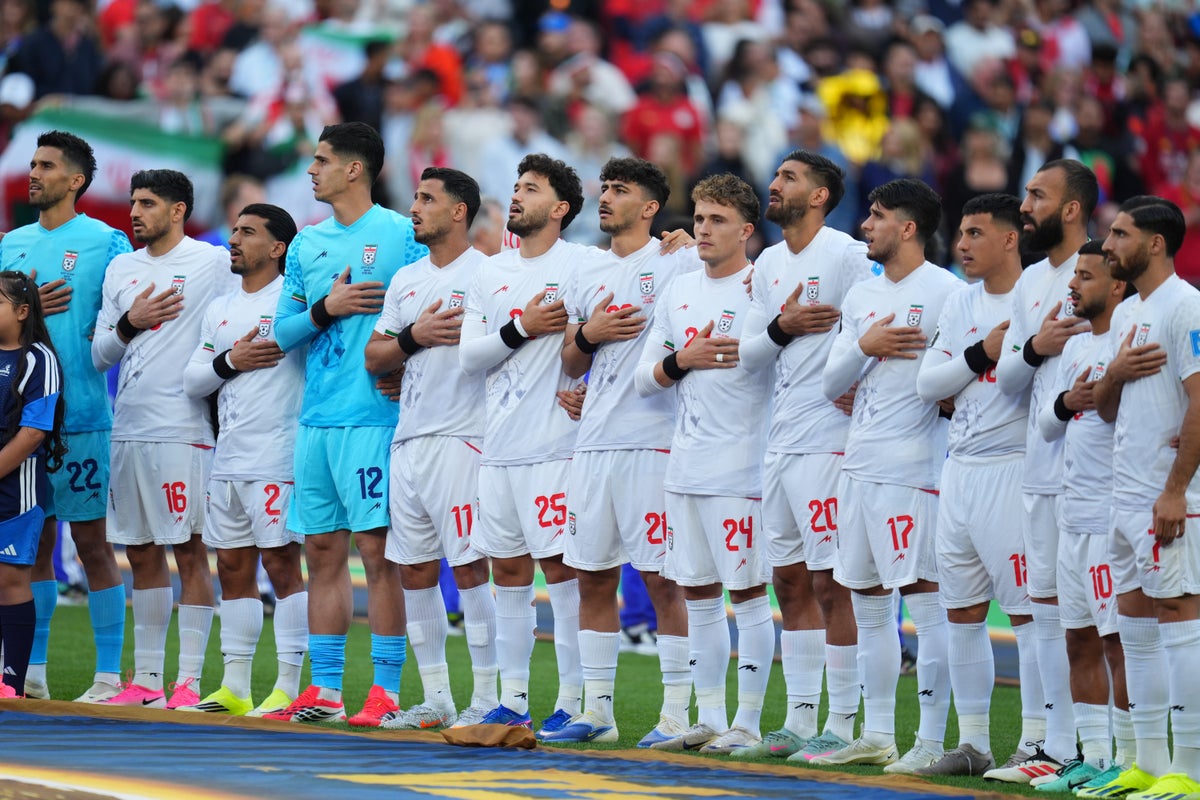
Scotland's elimination from the 2026 World Cup following a comprehensive 3-0 defeat to Brazil in Miami marks more than just another premature exit from a major international tournament. The subsequent resignation of head coach Steve Clarke pulled back the curtain on an institutional rot that extends far beyond tactical miscalculations or individual defensive errors on the pitch. While casual observers will blame the gulf in class against South American giants, the true failure lies in a systemic refusal to modernize, a broken youth development pipeline, and a psychological fragility that has plagued the national team setup for a generation.
The narrative surrounding Scottish football usually relies on romanticism. Media reports frequently focus on the passion of the fans or the misfortune of difficult group draws, but the cold reality in Florida exposed a structural deficiency that has been decades in the making. Scotland did not just lose; they were systematically outclassed in possession, physical durability, and technical execution.
The Tactical Stagnation that Broke Steve Clarke
Steve Clarke achieved undeniable success by dragging Scotland back into the consciousness of international tournaments, but his blueprint eventually became his architectural prison. His preferred defensive framework, which relied heavily on a low block and quick transitions through full-backs like Andrew Robertson, was completely solved by contemporary international managers long before the tournament began.
When Vinícius Júnior scored in the seventh minute of the final group game, the entire Scottish strategy dissolved. The system lacked any secondary mechanism to chase a game against elite opposition. For years, the national team relied on an extraordinary work rate to mask a glaring deficiency in creative midfield play. When physical exhaustion set in during the Miami heat, the lack of technical retention became fatal. Scotland could not keep the ball because their developmental systems do not produce players comfortable under heavy press.
The reliance on a core group of aging players also prevented the integration of younger talent. While emerging profiles showed promise in domestic leagues, Clarke consistently favored veteran dependability over dynamic unpredictability. This conservatism meant that when key structural pillars suffered injuries or form dips, the drop-off in squad depth was catastrophic.
The Myth of the Elite SFA Academy System
To find the root cause of this international failure, one must look directly at the youth development structures overseen by the Scottish Football Association. The current academy blueprint prioritizes physical size and structural compliance over individual flair and technical excellence.
Young players in Scotland are forced into rigid tactical roles before they have mastered basic ball manipulation. Domestic youth matches are frequently defined by long balls, high-pressing physical duels, and an obsession with winning developmental leagues rather than refining technical skills. This creates a specific profile of footballer: industrious, physically capable, but fundamentally limited when encountering continental or South American opposition.
Scottish Player Development vs Global Elite Profiles
+-----------------------+-----------------------+-----------------------+
| Attribute             | Scottish Structure    | Modern Elite Standard |
+-----------------------+-----------------------+-----------------------+
| Press Resistance      | High Panic, Long Pass | Body Swerve, Retention|
| Tactical Flexibility  | Fixed Positions       | Fluid Interchanging   |
| Technical Training    | Functional Clearance  | Tight-Space Control   |
+-----------------------+-----------------------+-----------------------+
A look at Europe's most successful mid-tier football nations reveals a different approach. Nations like Croatia and Denmark invest heavily in localized technical hubs where individual skill is prioritized above all else. In contrast, the Scottish system remains centralized and bureaucratic, focused on short-term tournament qualification metrics rather than long-term athletic and technical engineering.
A Broken Domestic Pathway
The gap between the Scottish Premiership and elite international football has widened into a chasm. The domestic league is dominated by a duopoly that does not prepare local players for the realities of tournament football.
Most Scottish members of the national squad must move to the English championship or the lower tiers of the English Premier League to find consistent, high-intensity minutes. Those who remain in Scotland are subjected to a domestic style of play that lacks tactical variety. When these players step onto the international stage, the speed of thought required is a shock to the system.
The Scottish FA has consistently failed to incentivize clubs to field young home-grown talent. Loan systems are poorly managed, and promising teenagers frequently find their development halted on the benches of clubs desperate to avoid relegation or retain European qualification spots. Without a radical overhaul of domestic squad registration rules, the national team will continue to rely on players born or developed outside the Scottish system.
The Psychological Deficit
Physical and tactical deficiencies are easily quantified, but the psychological hurdle is perhaps Scotland's most stubborn obstacle. Decades of near-misses and tournament group-stage exits have institutionalized a culture of heroic failure.
There is a palpable anxiety that infects the squad the moment a match deviates from the script. Against Brazil, the body language shifted dramatically after the opening goal. The composure required to manage tournament football—knowing when to slow the tempo, when to draw fouls, and how to manipulate space—was entirely absent. This is not a personal criticism of the individuals involved; it is a direct consequence of an environment that treats qualification as the ultimate achievement rather than the baseline expectation.
Replacing Steve Clarke will solve nothing if the incoming manager is forced to work with the same compromised materials. The Scottish FA requires a complete structural audit that strips power away from committee traditionalists and hands it to modern sports scientists and technical directors who understand where global football is moving. If the governing body chooses to treat this Miami exit as an isolated piece of bad luck, Scotland will remain exactly what they are: international football's permanent spectators.