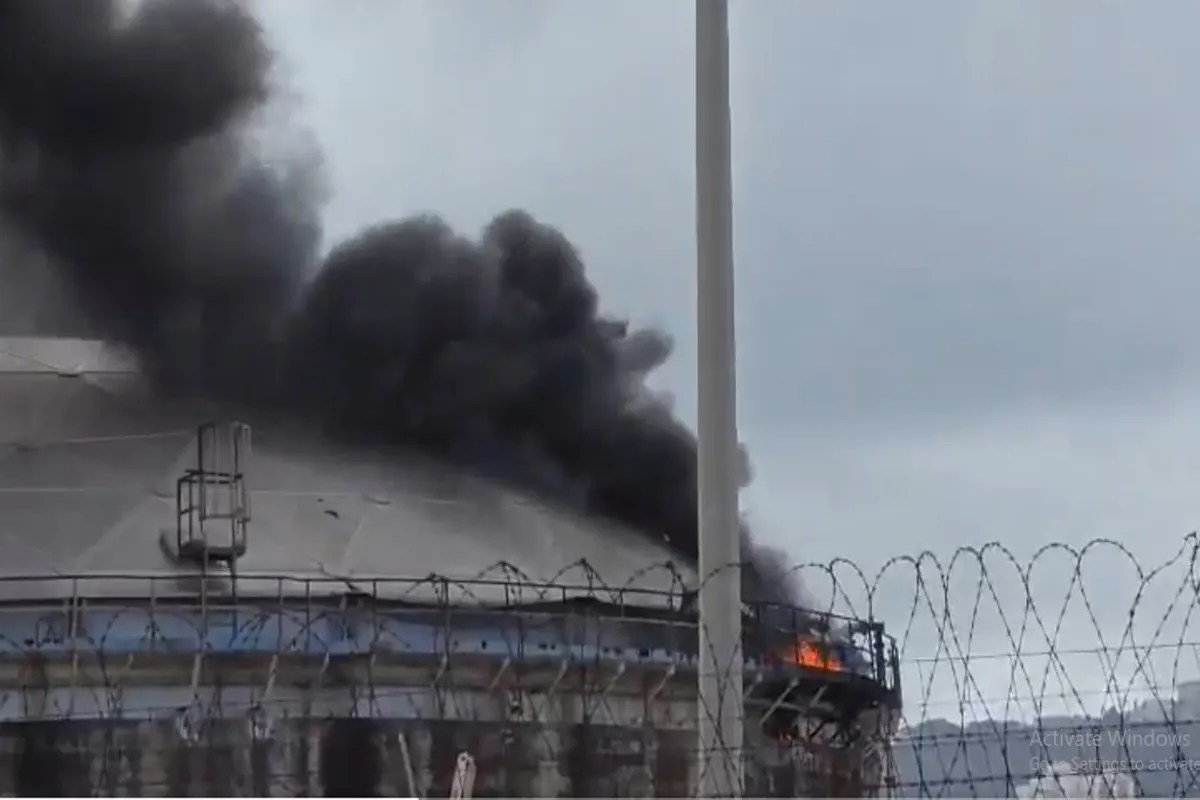
The drumbeats of an Iran war have been thumping for decades, but right now, the air feels different. It’s heavy with a specific kind of tension that usually precedes either a massive explosion or a historic handshake. Everyone is asking why the deal is stuck. It isn't just about centrifuges or ballistic missiles anymore. It’s about a single, massive demand Iran has placed on the table that could force Donald Trump to choose between his "Art of the Deal" legacy and his most loyal base of hawks.
If you’ve been following the headlines, you know the cycle. Sanctions get slapped on, Tehran lashes out, and Washington hints at military strikes. But behind the scenes, the diplomats are sweating over a condition that would effectively rewrite the power dynamic of the Middle East. Iran wants a guarantee that no future president can simply walk away from a deal again. They’re tired of the "pendulum policy" where one administration signs a paper and the next one shreds it.
Why the nuclear deal keeps hitting a wall
The original JCPOA was a fragile glass sculpture. When Trump smashed it in 2018, he proved to the Iranian leadership that an executive agreement in the U.S. is only as good as the person sitting in the Oval Office. This created a massive trust deficit. Now, Tehran is playing hardball. They aren't just looking for sanctions relief; they’re demanding a legal anchor.
I’ve watched these negotiations stall for years, and the sticking point is always the same. How do you promise a country that the next guy won't ruin everything? In the U.S. system, that’s almost impossible without a formal treaty, which requires a two-thirds majority in the Senate. Trump knows he can’t get that. The Iranians know he can't get that. So, we're left in this weird limbo where both sides are staring each other down, waiting for someone to blink.
The current escalation isn't just posturing. It’s a calculated move to raise the stakes before the final sit-down. Iran is enriching uranium at levels that make the world nervous, and the U.S. is moving carrier groups like chess pieces. It’s a dangerous game of chicken where the "war" part of Iran war starts to look less like a metaphor and more like a looming reality.
The condition that changes the game
Iran’s big ask is simple on the surface but a nightmare for U.S. law. They want "economic guarantees." This means if the U.S. pulls out of the deal again, American companies would have to pay massive penalties, or the U.S. government would be legally bound to compensate Tehran. It’s a bold move. It’s basically Iran saying, "We don't trust your word, so we want your wallet."
For Trump, this is a nightmare. He prides himself on being the ultimate negotiator, but he also hates being tied down. He likes the flexibility to change his mind. Accepting this condition would be a massive win for his ego—he’d be the one who finally "fixed" the Iran problem—but it would also be a total surrender of future American leverage.
The hawks in Washington are already screaming. They see any guarantee as a betrayal. But if Trump wants to avoid a full-scale Iran war that would spike oil prices and drag the U.S. into another "forever war," he might just find a way to phrase this condition so it looks like a win. He’s done it before. He’s the king of rebranding a compromise as a total victory.
The regional players are terrified and hopeful
Israel and Saudi Arabia are watching this play out with their hearts in their throats. For years, they’ve relied on the U.S. to be the "bad cop." If Trump actually shakes hands on a deal that includes these heavy guarantees, the regional balance of power shifts overnight.
I’ve talked to analysts who think the Saudis might actually be okay with it now. They want to diversify their economy and stop worrying about drones hitting their oil refineries. Israel, on the other hand, sees any deal as a paved road to an Iranian bomb. This internal friction among U.S. allies makes the negotiations even more of a circus. It’s not just a bilateral issue. It’s a global rubik's cube with pieces that won't stop moving.
What happens if the deal fails again
Let’s be real. If this condition isn't met, and the talks collapse, we aren't going back to the status quo. We’re going to a darker place. Iran is closer to a nuclear weapon than they’ve ever been. The "shadow war"—the cyberattacks, the tanker seizures, the proxy fights—will likely spill out into the open.
A direct Iran war would be a catastrophe. We’re talking about a country with a sophisticated military, a rugged geography that makes invasion a suicide mission, and a network of proxies that can set the entire region on fire. No one actually wants this, despite the tough talk.
Trump knows this. Deep down, he’s an isolationist. He wants to bring troops home, not send more to the desert. This is why the "one big condition" is so critical. It’s the bridge between a peaceful resolution and a generational conflict.
How to read the signals in the coming weeks
You need to look past the angry tweets and the official press releases. Watch the "technical experts." When the people who handle the boring stuff—banking regulations, insurance for shipping, oil export quotas—start meeting, that’s when a deal is actually happening.
The rhetoric will stay hot because both leaders need to look strong for their people back home. Khamenei can’t look like he’s begging, and Trump can’t look like he’s soft. But the math is pushing them together. Iran’s economy is screaming under the weight of sanctions, and the U.S. is desperate to pivot its focus toward China.
The next step is for the U.S. Treasury to issue "comfort letters" to international banks. If you see news about those letters being drafted, you’ll know the guarantee issue has been solved behind closed doors. That’s the signal that the risk of an Iran war has dropped and the era of a new, weirdly stable Middle East has begun. Watch the oil markets. They usually know the truth before the politicians do. Don't wait for the official announcement to protect your interests; the smart money is already moving.