The smoke rising from the ruins of Tehran is still visible from satellite feeds, but the diplomatic machinery is already grinding toward an uneasy silence. We are told we are "very close" to a deal, a phrase that has become a haunting refrain in Middle Eastern diplomacy for decades. This time, however, the stakes aren't just about centrifuges or heavy water. The current ceasefire, brokered in the shadows of Islamabad, represents a desperate pivot by an Iranian regime that saw its heart—Supreme Leader Ali Khamenei—extinguished in the opening salvo of Operation Epic Fury on February 28. To call this a "narrow path" is an understatement; it is a tightrope suspended over an active volcano, and the primary actors are running out of rope.
The reality on the ground in April 2026 is far grimmer than the sanitized briefings coming out of the State Department. While the two-week ceasefire mediated by Pakistan has paused the rain of missiles, the underlying mechanics of the conflict remain untouched. Iran has lost its ultimate arbiter of power, and the resulting vacuum has triggered a vicious internal struggle between the pragmatists at the Foreign Ministry and the hardliners of the Islamic Revolutionary Guard Corps (IRGC).
The Strait of Hormuz Chokehold
The naval blockade is the only reason the Iranian delegation is even sitting at the table in Pakistan. By cutting off the Strait of Hormuz, the United States didn't just stop oil; it paralyzed a nation that lacks the refining capacity to fuel its own vehicles. Iran is a gas station that can’t pump its own tanks. Shipping data from firms like Kpler shows a 90% drop in traffic. The "victory" Iran claims in forcing the U.S. to the table is a fiction intended for domestic consumption. In truth, they are staring at an economic abyss where inflation is northward of 60% and the central bank governor has already been sacrificed to the altar of public anger.
The IRGC-affiliated media has spent the last 48 hours denying reports that Iran is ready to hand over its highly enriched uranium. This isn't just posturing. The IRGC views the nuclear stockpile as their last remaining insurance policy against total regime collapse. If they surrender the 60% enriched material—currently estimated at over 400 kilograms—they lose their seat at the table of regional powers. The U.S. is demanding a 20-year pause on enrichment. Iran is offering five. That 15-year gap is measured in the blood of future conflicts.
The Islamabad 10 Point Illusion
The so-called "10-point plan" floated by Iran is a masterclass in diplomatic theater. It demands the lifting of all sanctions and the total withdrawal of U.S. forces from the region. It is a maximalist document designed to fail, yet President Trump has called it a "workable basis." This suggests the U.S. administration is more interested in a quick exit strategy than a comprehensive regional settlement.
The real friction isn't the number of points on a piece of paper; it’s the verification. How do you verify the disarmament of a ghost? The U.S. wants Iran to move its enriched uranium to a third party, possibly Russia or Pakistan. Iran wants to "down-blend" it in-situ, a process that is notoriously difficult to monitor and even easier to reverse.
A Shadow War in the Streets
While diplomats argue in Pakistan, the streets of Iran’s 31 provinces are occupied by a different kind of force. The 2025-26 protests are not just another cycle of unrest. They are a "cumulative stress test" of a system that has lost its ideological anchor. The "Women, Life, Freedom" movement of 2022 provided the grammar, but the current hunger-driven riots provide the desperation.
The state is responding with "containment governance"—a fancy term for selective brutality and technocratic musical chairs. They replaced the central bank governor, but you can't eat a change in personnel. The capture of Venezuelan President Nicolás Maduro in January 2026 also cut off one of Tehran’s most reliable backdoors for sanctions-busting and drone sales. The walls are closing in, and the regime knows it.
The Regional Consortium Trap
One proposal gaining traction is the idea of a "regional consortium" for uranium enrichment. The theory is that if multiple nations in the Middle East share the fuel cycle, no single state can weaponize it. It sounds logical in a classroom. In the Middle East, it’s a recipe for a nuclear arms race with a shared library. Saudi Arabia and the UAE have made it clear: if Iran keeps a path to a bomb, they want their own.
- U.S. Position: Demand a 20-year halt and total removal of enriched material.
- Iranian Position: A 3-to-5-year suspension and domestic dilution.
- The Pakistani Factor: Acting as the sole bridge, Islamabad is leveraging its role to secure its own IMF relief and regional standing.
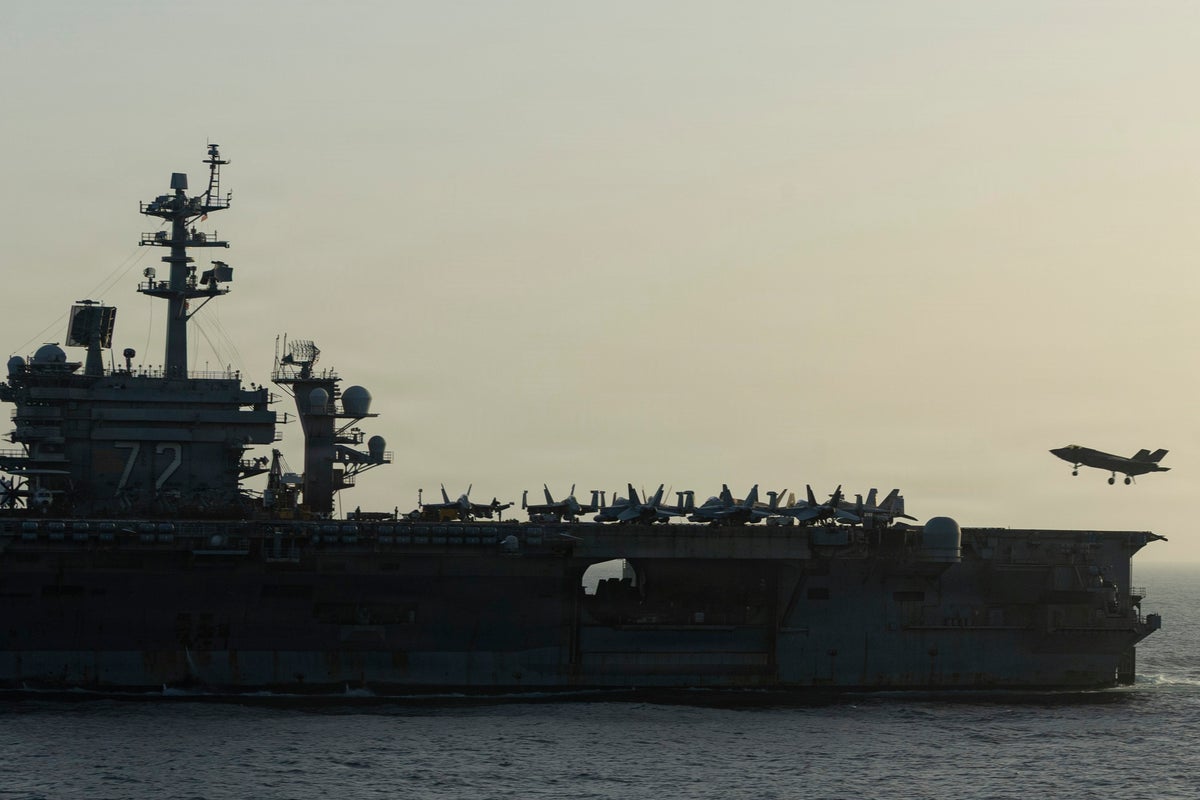
The naval blockade remains the most potent tool in the U.S. arsenal. If the ceasefire expires without a signature, the "blasting back to the Stone Ages" rhetoric will likely return. The U.S. Navy is already enforcing a diagonal line across the Gulf of Oman, from Ras al Hadd to the Pakistani border. Any vessel crossing that line without clearance is effectively a target.
This isn't a negotiation between two sovereign powers anymore. It is a negotiation between a superpower and a wounded, multi-headed hydra. The U.S. is betting that the IRGC will eventually prioritize survival over the nuclear program. But for the IRGC, the nuclear program is survival.
The ceasefire was extended for "a few days" to allow the Iranian delegation to prove they have the backing of all government factions. They don't. They can’t. The IRGC is already sabotaging the talks by denying the very concessions their own Foreign Ministry is leaking to the press. We are watching a slow-motion car crash where the drivers are fighting over the steering wheel while the vehicle is already off the cliff.
The Islamabad gamble is likely to end not with a grand treaty, but with a series of temporary, fragile "understandings" that leave the core issues simmering. For the global economy, this means the Strait of Hormuz will remain a high-risk zone, keeping oil prices volatile and insurance premiums for tankers at record highs. For the people of Iran, it means the choice remains between a regime that cannot feed them and a war that will surely destroy them.
The path isn't just narrow. It is a dead end.