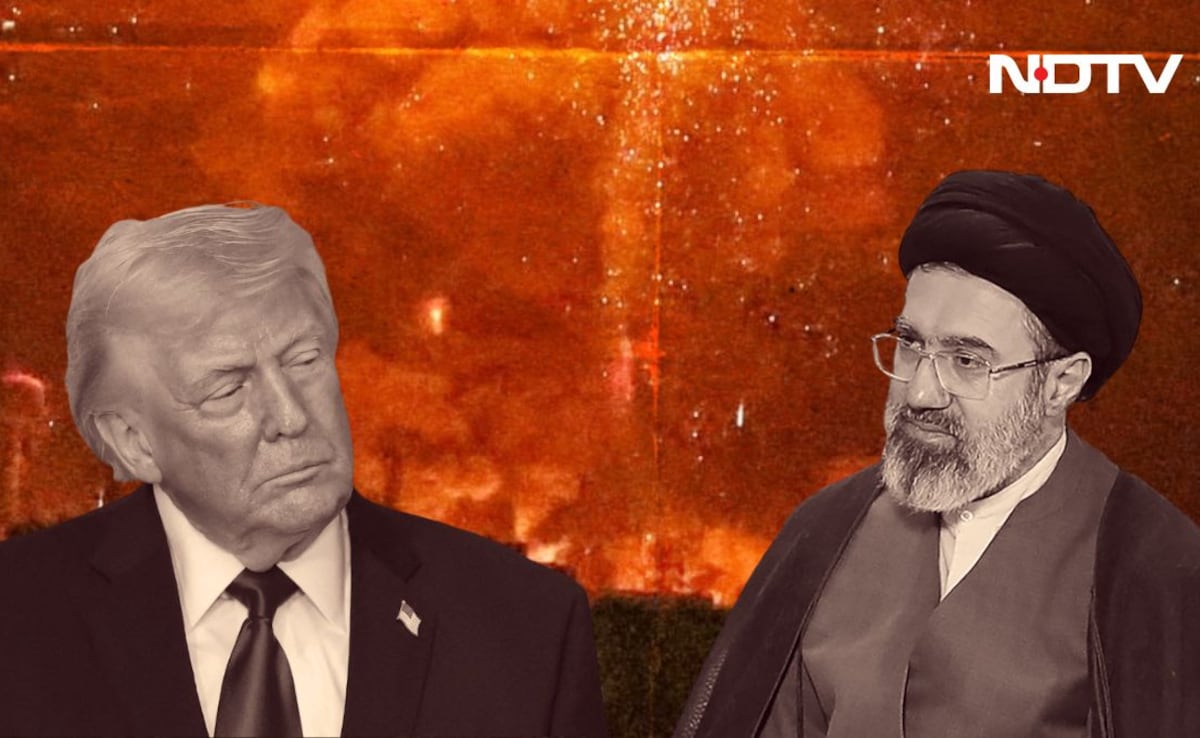
Twenty-one hours. That's all it took for months of back-channel diplomacy to go up in smoke in a cold conference room in Islamabad. If you think international diplomacy is about grand gestures and slow, methodical progress, the recent collapse of the US-Iran peace talks proves otherwise. It was fast, it was messy, and it left both sides further apart than when they landed.
The world expected a breakthrough. Instead, we got a masterclass in how rigid red lines and domestic political pressure can sabotage even the most desperate attempts at peace. This wasn't just a minor disagreement over phrasing. It was a fundamental breakdown of trust that happened in real-time.
The Islamabad Deadlock and Why It Happened
The primary reason the US-Iran peace talks collapsed boils down to a failure to agree on the sequence of concessions. Iran demanded immediate sanctions relief before curbing its nuclear enrichment. The US insisted on verified nuclear rollbacks before a single dollar of frozen assets was released. It's the classic chicken-and-egg problem, but with high-stakes geopolitical consequences.
Pakistan’s capital was chosen as a neutral ground, away from the prying eyes of Western Europe. But the location couldn't hide the internal fractures within both delegations. The Iranian team, led by hardliners who replaced the more pragmatic diplomats of the previous era, had zero room to maneuver. They were looking for a win to bring back to a struggling economy, but they weren't willing to pay the price Washington demanded.
The American side wasn't much more flexible. With an election cycle looming, the administration couldn't afford to look "soft" on Tehran. Every proposal was scrutinized through the lens of domestic optics. If the deal didn't look like a total Iranian surrender, it was a political non-starter in DC. When you walk into a room where neither side can afford to compromise, you're not there to negotiate. You're there to perform.
Miscalculations and Broken Trust
I've watched these cycles for years. The biggest mistake people make is assuming both sides want the same thing. They don't. The US wants regional stability and a permanent end to Iran’s nuclear ambitions. Iran wants regime survival and regional influence. Those goals don't just overlap; they're often in direct opposition.
During those 21 hours, the "Snapback" mechanism became the sticking point. This is the provision that allows the US to reimpose sanctions if Iran violates the deal. Iran views this as a loaded gun held to their head. They wanted a guarantee that future US administrations couldn't just walk away from the deal—again. The US negotiators, bound by the Constitution and a volatile Congress, simply couldn't give that guarantee.
The lack of a "Plan B" also played a role. Both parties arrived in Islamabad thinking the other was more desperate than they actually were. Washington thought the weight of economic sanctions would force a cave-in. Tehran thought the US’s desire to pivot away from the Middle East would lead to a quick, easy deal. They were both wrong.
The Role of Regional Spoilers
It's naive to think these talks happened in a vacuum. Israel and Saudi Arabia weren't at the table, but their presence was felt in every exchange. Intelligence leaks and public statements from regional rivals during the negotiations added layers of complexity that the diplomats couldn't manage.
Whenever a potential compromise was floated, it was immediately leaked to the press, usually by a third party interested in seeing the talks fail. This forced the negotiators back into their defensive shells. It’s hard to be "bold" when you know your political enemies back home will use your words against you before the ink is even dry.
The Economic Reality No One Mentions
We hear a lot about centrifuges and ballistic missiles. We don't hear enough about the price of oil and the Iranian Rial. The Iranian economy is hurting, but it hasn't collapsed. This gives Tehran a "threshold of pain" that is higher than many Western analysts realize. They've learned to live with sanctions. They've built "resistance economies" and found ways to trade through gray markets.
On the flip side, the US is dealing with its own economic pressures. High energy costs and inflation make a regional conflict in the Middle East a nightmare scenario. This should have pushed both sides together. Instead, it made them more cautious. They were both playing not to lose, rather than playing to win.
What This Means for Global Security
The failure in Islamabad isn't just a diplomatic footnote. It signals a shift toward a "gray zone" of permanent tension. We’re likely to see more regional proxy skirmishes, more cyber-attacks, and more brinkmanship in the Strait of Hormuz.
- Nuclear Proliferation: Without a deal, Iran’s breakout time—the time needed to produce enough fissile material for a weapon—continues to shrink.
- Regional Arms Race: Neighbors like Saudi Arabia have already hinted they won't sit idly by if Iran goes nuclear.
- Shift in Alliances: Expect Iran to lean even harder into its relationships with Russia and China as a hedge against Western isolation.
People often ask me if there’s still hope for a diplomatic solution. Honestly, it’s looking grim. When you lose the momentum of a face-to-face meeting in a high-pressure environment like Islamabad, it's incredibly hard to get it back. The trust has been gutted.
How to Track the Aftermath
Don't look at the official press releases from the State Department or the Iranian Foreign Ministry. They’re just noise. If you want to know what’s really happening, watch two things.
First, keep an eye on the IAEA reports. The International Atomic Energy Agency is the only group with boots on the ground. Their technical assessments of Iran’s enrichment levels tell the real story. If the cameras stay off and the inspectors get blocked, the situation is deteriorating fast.
Second, watch the shipping lanes. The Persian Gulf is the world’s pulse. Any increase in naval "interactions" or seized tankers is a sign that the diplomats have officially handed the baton back to the military.
The collapse of the Islamabad talks reminds us that peace is fragile and often secondary to political survival. Twenty-one hours was enough time to realize that neither side was ready to take the leap. The world is a bit more dangerous today because of it.
Monitor the regional troop movements and watch for any sudden shifts in oil production quotas from OPEC+. Those are the real indicators of where we're headed next. The diplomacy is over for now; the strategy is all that's left.