Donald Trump thinks he just brokered the deal of the century to end the Middle East war. On paper, it looks like a massive win. The US and Iran have shaken hands on an initial peace deal, Pakistani Prime Minister Shehbaz Sharif is planning a formal signing ceremony in Switzerland, and the blockaded Strait of Hormuz is supposed to reopen to get global energy prices back down.
There is just one glaring, violent problem. Israel isn't stopping. Recently making waves in related news: The Frictionless Axis of Realpolitik: Deconstructing the European Buy-Loop of Israeli Defense Technology.
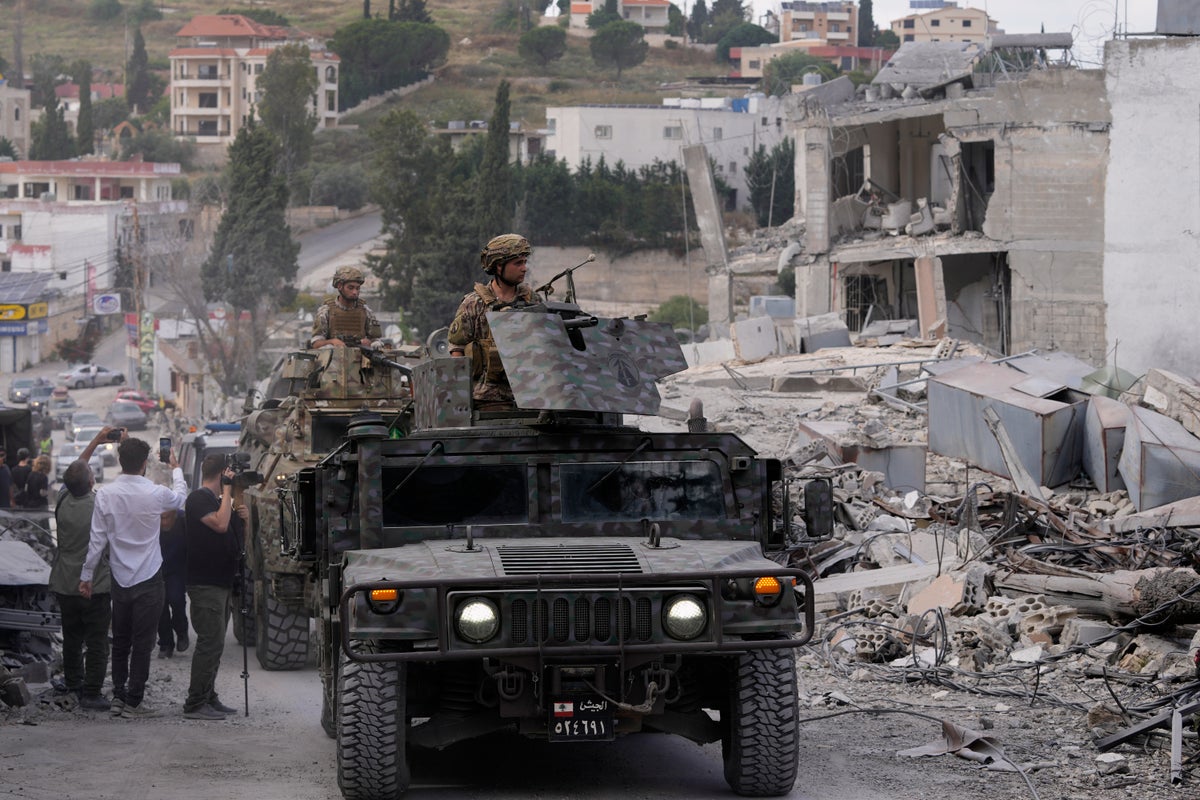
Hours after Trump blasted out his victory on Truth Social, Israeli jets slammed into Beirut’s southern Dahiyeh suburb. It sent a clear message to Washington and Tehran. Israel doesn't care about a deal it didn't sign. While Trump is shouting about "a long and beautiful peace," Israeli Defense Minister Israel Katz announced that his forces aren't withdrawing from a single inch of seized land in southern Lebanon.
This leaves the White House in an incredibly awkward spot. Trump's entire regional peace strategy relies on a total cessation of hostilities on all fronts. Iran only agreed to the deal because they insisted it would protect their proxy, Hezbollah, from total annihilation. Now, Israeli Prime Minister Benjamin Netanyahu is openly sabotaging the agreement on the ground, creating a massive rift with his most important international ally. Further insights on this are covered by Reuters.
If you want to understand why this conflict is refusing to die despite a major superpower agreement, you have to look at what Netanyahu needs versus what Trump wants. They aren't the same thing anymore.
The Expletive Laden Friction in the Alliance
The personal bond between Trump and Netanyahu used to be rock solid, but the realities of this war have shattered it. Trump wants a quick, theatrical foreign policy win that stabilizes global markets. Netanyahu wants political survival, which requires checking off war aims that he hasn't achieved yet.
When Israel struck Beirut recently, Trump reportedly lost his temper on an expletive-laden phone call with Netanyahu. He called the Israeli leader "crazy" and accused him of reacting disproportionately to minor Hezbollah drone threats. From Trump’s perspective, these strikes are a direct insult, happening on the exact days he is trying to finalize a legacy-defining agreement.
But Netanyahu knows he can't just stop. He spent months promising the Israeli public that this military campaign would completely disarm Hezbollah, topple the leadership in Iran, and dismantle Tehran's nuclear program. None of that happened. If Israel signs up for Trump's deal today, Netanyahu has to explain to his voters why Israeli troops are sitting in southern Lebanon without a definitive victory, while Hezbollah is still capable of launching rockets.
Why Lebanon is the Ultimate Stumbling Block
The diplomatic breakdown comes down to a fundamental disagreement over who is actually included in this treaty. Iran and the Pakistani mediators insist that the ceasefire explicitly covers Lebanon. The US and Israel have tried to argue that the deal is strictly a bilateral agreement between Washington and Tehran.
This distinction is a total illusion. You can't separate the war with Iran from the war in Lebanon.
- Hezbollah is Iran’s frontline defense. Forcing Iran to sign a treaty while its main regional proxy is being systematically targeted by airstrikes was never sustainable.
- The occupation problem. Israel currently occupies dozens of villages in southern Lebanon and has seized large swathes of land. They have no intention of giving them back under a US-mandated timeline.
- The far-right pressure. Netanyahu’s coalition depends on hardliners like National Security Minister Itamar Ben-Gvir. Ben-Gvir has already taken to social media to declare that Israel is not a party to this agreement and will settle for nothing less than the complete dismantling of Hezbollah.
If Netanyahu pulls back now to please Trump, his own government will collapse. If he keeps bombing, he alienates the single country providing Israel with the weapons and diplomatic cover it needs to function. It is a classic geopolitical trap.
What Happens on June 22
A new round of technical negotiations is scheduled for June 22 in Washington, aiming to tackle the specific terms of an Israeli withdrawal from southern Lebanon. Don't expect a smooth meeting.
Israel’s strategy right now is to accept Trump’s peace efforts in public while aggressively shifting the goalposts on the ground. Every time a minor drone or rocket enters northern Israel, the IDF uses it as a justification to launch massive retaliatory strikes in Beirut, testing how far they can push the White House before Trump cuts off aid or imposes real consequences.
The true test of this peace deal won't happen in a Swiss conference room. It will happen on the border. If Trump wants his deal to stick, he has to move past angry phone calls and actually exert leverage over Jerusalem. Until that happens, the bombing in Lebanon will continue, and the "Great Deal" will remain nothing more than a piece of paper.
If you are tracking the stability of this ceasefire, keep your eyes on the daily strike reports coming out of Dahiyeh and Tyre. If the Israeli air force grounds its planes for more than 48 hours, negotiations are real. If the smoke keeps rising over Beirut, the deal is dead before it even gets signed.